1
וַיְדַבֵּר יְהוָה אֶל-מֹשֶׁה, בְּהַר סִינַי לֵאמֹר.
And Jehovah spoke to
Moses on Mount Sinai, saying:
noteJehová habló a Moisés en el monte Sinaí, diciendo:
2
דַּבֵּר אֶל-בְּנֵי יִשְׂרָאֵל, וְאָמַרְתָּ אֲלֵהֶם, כִּי תָבֹאוּ אֶל-הָאָרֶץ, אֲשֶׁר אֲנִי נֹתֵן לָכֶם--וְשָׁבְתָה הָאָרֶץ, שַׁבָּת לַיהוָה.
Speak to the children of Israel, and say to them: When you come into the land that I am giving you, the land shall keep a sabbath to Jehovah.
noteHabla a los hijos de Israel, y diles: Cuando entréis en la tierra que yo os doy, la tierra guardará un sábado para Jehová.
3
שֵׁשׁ שָׁנִים תִּזְרַע שָׂדֶךָ, וְשֵׁשׁ שָׁנִים תִּזְמֹר כַּרְמֶךָ; וְאָסַפְתָּ, אֶת-תְּבוּאָתָהּ.
Six years you shall sow your field, and six years you shall prune your vineyard, and gather in its produce;
noteSeis años sembrarás tu campo, y seis años podarás tu viña, y recogerás su fruto;
4
וּבַשָּׁנָה הַשְּׁבִיעִת, שַׁבַּת שַׁבָּתוֹן יִהְיֶה לָאָרֶץ--שַׁבָּת, לַיהוָה: שָׂדְךָ לֹא תִזְרָע, וְכַרְמְךָ לֹא תִזְמֹר.
but in the seventh year there shall be a sabbath of solemn rest for the land, a sabbath to Jehovah: you shall not sow your field, nor prune your vineyard.
notepero en el séptimo año habrá un sabat de reposo solemne para la tierra, un sábado para Jehová: no sembrarás tu campo, ni podarás tu viña.
5
אֵת סְפִיחַ קְצִירְךָ לֹא תִקְצוֹר, וְאֶת-עִנְּבֵי נְזִירֶךָ לֹא תִבְצֹר: שְׁנַת שַׁבָּתוֹן, יִהְיֶה לָאָרֶץ.
What grows of itself from your harvest you shall not reap, and the grapes of your undressed vine you shall not gather: it shall be a year of solemn rest for the land.
noteLo que nazca por sí solo de tu siega no lo segarás, y las uvas de tu viña sin podar no las vendimiarás: año de reposo solemne será para la tierra.
6
וְהָיְתָה שַׁבַּת הָאָרֶץ לָכֶם, לְאָכְלָה--לְךָ, וּלְעַבְדְּךָ וְלַאֲמָתֶךָ; וְלִשְׂכִירְךָ, וּלְתוֹשָׁבְךָ, הַגָּרִים, עִמָּךְ.
And the sabbath of the land shall be food for you — for you, and for your male servant, and for your female servant, and for your hired worker, and for your
settler who resides with you;
noteY el sábado de la tierra os será para comer —a ti, a tu siervo y a tu sierva, a tu jornalero, y a tu
colono que reside contigo;
7
וְלִבְהֶמְתְּךָ--וְלַחַיָּה, אֲשֶׁר בְּאַרְצֶךָ: תִּהְיֶה כָל-תְּבוּאָתָהּ, לֶאֱכֹל. {ס}
and for your cattle, and for the wild animals that are in your land, shall all its produce be for food.
{ס}notey a tu ganado, y a los animales salvajes que hay en tu tierra: todo su fruto será para comer.
8
וְסָפַרְתָּ לְךָ, שֶׁבַע שַׁבְּתֹת שָׁנִים--שֶׁבַע שָׁנִים, שֶׁבַע פְּעָמִים; וְהָיוּ לְךָ, יְמֵי שֶׁבַע שַׁבְּתֹת הַשָּׁנִים, תֵּשַׁע וְאַרְבָּעִים, שָׁנָה.
And you shall count off seven sabbaths of years for yourself — seven times seven years — and the days of the seven sabbaths of years shall give you forty-nine years.
noteY contarás siete sabats de años —siete veces siete años—, y los días de los siete sabats de años te darán cuarenta y nueve años.
9
וְהַעֲבַרְתָּ שׁוֹפַר תְּרוּעָה, בַּחֹדֶשׁ הַשְּׁבִעִי, בֶּעָשׂוֹר, לַחֹדֶשׁ; בְּיוֹם, הַכִּפֻּרִים, תַּעֲבִירוּ שׁוֹפָר, בְּכָל-אַרְצְכֶם.
Then you shall sound the ram's-horn trumpet abroad, in the seventh month, on the tenth day of the month; on the Day of Atonement you shall sound the trumpet throughout all your land.
noteEntonces harás sonar fuerte el cuerno de carnero, en el mes séptimo, a los diez días del mes; en el Día de la Expiación haréis sonar el cuerno por toda vuestra tierra.
10
וְקִדַּשְׁתֶּם, אֵת שְׁנַת הַחֲמִשִּׁים שָׁנָה, וּקְרָאתֶם דְּרוֹר בָּאָרֶץ, לְכָל-יֹשְׁבֶיהָ; יוֹבֵל הִוא, תִּהְיֶה לָכֶם, וְשַׁבְתֶּם אִישׁ אֶל-אֲחֻזָּתוֹ, וְאִישׁ אֶל-מִשְׁפַּחְתּוֹ תָּשֻׁבוּ.
And you shall sanctify the fiftieth year, and
proclaim liberty throughout the land to all its inhabitants: it shall be a
jubilee for you, and each of you shall return to his
possession, and each of you shall return to his family.
noteY santificaréis el año cincuenta, y
proclamaréis libertad en la tierra a todos sus habitantes: será para vosotros un
jubileo, y cada uno volverá a su
posesión, y cada uno volverá a su familia.
11
יוֹבֵל הִוא, שְׁנַת הַחֲמִשִּׁים שָׁנָה--תִּהְיֶה לָכֶם; לֹא תִזְרָעוּ--וְלֹא תִקְצְרוּ אֶת-סְפִיחֶיהָ, וְלֹא תִבְצְרוּ אֶת-נְזִרֶיהָ.
A jubilee shall that fiftieth year be to you: you shall not sow, nor reap what grows of itself, nor gather the grapes of your undressed vines.
noteJubileo será para vosotros ese año cincuenta: no sembraréis, ni segaréis lo que nazca por sí solo, ni vendimiaréis las uvas de vuestras viñas sin podar.
12
כִּי יוֹבֵל הִוא, קֹדֶשׁ תִּהְיֶה לָכֶם; מִן-הַשָּׂדֶה--תֹּאכְלוּ, אֶת-תְּבוּאָתָהּ.
For it is a jubilee; it shall be holy to you: you shall eat its produce out of the field.
notePorque es jubileo; santo será para vosotros: del campo comeréis su fruto.
13
בִּשְׁנַת הַיּוֹבֵל, הַזֹּאת, תָּשֻׁבוּ, אִישׁ אֶל-אֲחֻזָּתוֹ.
In this Year of Jubilee, each of you shall return to his possession.
noteEn este año de jubileo, cada uno volverá a su posesión.
14
וְכִי-תִמְכְּרוּ מִמְכָּר לַעֲמִיתֶךָ, אוֹ קָנֹה מִיַּד עֲמִיתֶךָ--אַל-תּוֹנוּ, אִישׁ אֶת-אָחִיו.
And if you sell anything to your
neighbor, or buy from your neighbor's hand, you shall not wrong one another.
noteY si vendéis algo a vuestro compañero, o compráis de mano de vuestro compañero, no os engañéis el uno al otro.
15
בְּמִסְפַּר שָׁנִים אַחַר הַיּוֹבֵל, תִּקְנֶה מֵאֵת עֲמִיתֶךָ; בְּמִסְפַּר שְׁנֵי-תְבוּאֹת, יִמְכָּר-לָךְ.
According to the number of years after the jubilee you shall buy from your neighbor, and according to the number of years of crops he shall sell to you.
noteConforme al número de años después del jubileo comprarás de tu compañero, y conforme al número de años de cosechas te venderá a ti.
16
לְפִי רֹב הַשָּׁנִים, תַּרְבֶּה מִקְנָתוֹ, וּלְפִי מְעֹט הַשָּׁנִים, תַּמְעִיט מִקְנָתוֹ: כִּי מִסְפַּר תְּבוּאֹת, הוּא מֹכֵר לָךְ.
According to the greater number of years you shall increase its price, and according to the fewer number of years you shall diminish its price; for it is the number of the crops that he is selling to you.
noteConforme al mayor número de años aumentarás el precio, y conforme al menor número de años disminuirás el precio; porque es el número de las cosechas lo que él te vende.
17
וְלֹא תוֹנוּ אִישׁ אֶת-עֲמִיתוֹ, וְיָרֵאתָ מֵאֱלֹהֶיךָ: כִּי אֲנִי יְהוָה, אֱלֹהֵיכֶם.
And you shall not wrong one another, but you shall fear your God: for I am Jehovah your God.
noteNo os engañéis el uno al otro, sino que temeréis a vuestro Dios: porque yo soy Jehová vuestro Dios.
18
וַעֲשִׂיתֶם, אֶת-חֻקֹּתַי, וְאֶת-מִשְׁפָּטַי תִּשְׁמְרוּ, וַעֲשִׂיתֶם אֹתָם--וִישַׁבְתֶּם עַל-הָאָרֶץ, לָבֶטַח.
So you shall do my statutes, and keep my ordinances, and do them; and you shall dwell in the land in safety.
noteAsí pues, cumpliréis mis estatutos, y guardaréis mis ordenanzas, y las pondréis por obra; y habitaréis en la tierra con seguridad.
19
וְנָתְנָה הָאָרֶץ פִּרְיָהּ, וַאֲכַלְתֶּם לָשֹׂבַע; וִישַׁבְתֶּם לָבֶטַח, עָלֶיהָ.
And the land shall yield its fruit, and you shall eat your fill, and dwell in it in safety.
noteY la tierra dará su fruto, y comeréis hasta saciaros, y habitaréis en ella con seguridad.
20
וְכִי תֹאמְרוּ, מַה-נֹּאכַל בַּשָּׁנָה הַשְּׁבִיעִת: הֵן לֹא נִזְרָע, וְלֹא נֶאֱסֹף אֶת-תְּבוּאָתֵנוּ.
And if you say, "What shall we eat in the seventh year, since we shall not sow, nor gather in our produce?" —
noteY si decís: «¿Qué comeremos en el séptimo año, si no hemos de sembrar, ni hemos de recoger nuestra cosecha?» —
21
וְצִוִּיתִי אֶת-בִּרְכָתִי לָכֶם, בַּשָּׁנָה הַשִּׁשִּׁית; וְעָשָׂת, אֶת-הַתְּבוּאָה, לִשְׁלֹשׁ, הַשָּׁנִים.
then I will command my blessing upon you in the sixth year, and it shall bring forth produce for three years.
noteentonces yo mandaré mi bendición sobre vosotros en el sexto año, y producirá fruto para tres años.
22
וּזְרַעְתֶּם, אֵת הַשָּׁנָה הַשְּׁמִינִת, וַאֲכַלְתֶּם, מִן-הַתְּבוּאָה יָשָׁן; עַד הַשָּׁנָה הַתְּשִׁיעִת, עַד-בּוֹא תְּבוּאָתָהּ--תֹּאכְלוּ, יָשָׁן.
And you shall sow in the eighth year, and eat of the old produce until the ninth year; until its produce comes in, you shall eat the old.
noteY sembraréis en el octavo año, y comeréis del fruto viejo; hasta el año noveno, hasta que llegue su fruto, comeréis lo viejo.
23
וְהָאָרֶץ, לֹא תִמָּכֵר לִצְמִתֻת--כִּי-לִי, הָאָרֶץ: כִּי-גֵרִים וְתוֹשָׁבִים אַתֶּם, עִמָּדִי.
24
וּבְכֹל, אֶרֶץ אֲחֻזַּתְכֶם, גְּאֻלָּה, תִּתְּנוּ לָאָרֶץ. {ס}
And in all the land of your possession you shall grant a
redemption for the land.
{ס}noteY en toda la tierra de vuestra posesión concederéis
rescate para la tierra.
25
כִּי-יָמוּךְ אָחִיךָ, וּמָכַר מֵאֲחֻזָּתוֹ--וּבָא גֹאֲלוֹ, הַקָּרֹב אֵלָיו, וְגָאַל, אֵת מִמְכַּר אָחִיו.
If your brother becomes poor, and sells part of his possession, then his
kinsman-redeemer who is nearest to him shall come and redeem what his brother has sold.
noteSi tu hermano empobrece, y vende parte de su posesión, vendrá su
pariente redentor más cercano, y rescatará lo que su hermano vendió.
26
וְאִישׁ, כִּי לֹא יִהְיֶה-לּוֹ גֹּאֵל, וְהִשִּׂיגָה יָדוֹ, וּמָצָא כְּדֵי גְאֻלָּתוֹ.
And if a man has no one to redeem it, but he himself has grown rich and found sufficient means to redeem it,
noteY si un hombre no tiene quien lo rescate, pero él mismo prospera y halla lo suficiente para su rescate,
27
וְחִשַּׁב, אֶת-שְׁנֵי מִמְכָּרוֹ, וְהֵשִׁיב אֶת-הָעֹדֵף, לָאִישׁ אֲשֶׁר מָכַר-לוֹ; וְשָׁב, לַאֲחֻזָּתוֹ.
then let him reckon the years since he sold it, and restore the balance to the man to whom he sold it; and he shall return to his possession.
noteentonces calculará los años desde que la vendió, y devolverá el sobrante al hombre a quien la vendió; y volverá a su posesión.
28
וְאִם לֹא-מָצְאָה יָדוֹ, דֵּי הָשִׁיב לוֹ--וְהָיָה מִמְכָּרוֹ בְּיַד הַקֹּנֶה אֹתוֹ, עַד שְׁנַת הַיּוֹבֵל; וְיָצָא, בַּיֹּבֵל, וְשָׁב, לַאֲחֻזָּתוֹ. {ס}
But if he has not found sufficient means to restore it to him, then what he sold shall remain in the hand of the one who bought it until the Year of Jubilee: and in the jubilee it shall be released, and he shall return to his possession.
{ס}notePero si no halla lo suficiente para restituírselo, entonces lo que vendió permanecerá en mano del que lo compró hasta el año del jubileo; y en el jubileo quedará libre, y volverá a su posesión.
29
וְאִישׁ, כִּי-יִמְכֹּר בֵּית-מוֹשַׁב עִיר חוֹמָה--וְהָיְתָה גְּאֻלָּתוֹ, עַד-תֹּם שְׁנַת מִמְכָּרוֹ: יָמִים, תִּהְיֶה גְאֻלָּתוֹ.
And if a man sells a dwelling-house in a walled city, then he may redeem it within a full year after it is sold; for a full year he shall have the right of redemption.
noteY si un hombre vende una casa de vivienda en una ciudad amurallada, podrá rescatarla dentro de un año completo después de venderla; por un año completo tendrá derecho de rescate.
30
וְאִם לֹא-יִגָּאֵל, עַד-מְלֹאת לוֹ שָׁנָה תְמִימָה--וְקָם הַבַּיִת אֲשֶׁר-בָּעִיר אֲשֶׁר-לא לוֹ חֹמָה לַצְּמִיתֻת לַקֹּנֶה אֹתוֹ, לְדֹרֹתָיו: לֹא יֵצֵא, בַּיֹּבֵל.
But if it is not redeemed within the space of a full year, then the house that is in the walled city shall be made sure in perpetuity to him who bought it, throughout his generations: it shall not be released in the jubilee.
notePero si no es rescatada dentro del espacio de un año completo, la casa que está en la ciudad amurallada quedará asegurada a perpetuidad para el que la compró, por sus generaciones: no quedará libre en el jubileo.
31
וּבָתֵּי הַחֲצֵרִים, אֲשֶׁר אֵין-לָהֶם חֹמָה סָבִיב--עַל-שְׂדֵה הָאָרֶץ, יֵחָשֵׁב: גְּאֻלָּה, תִּהְיֶה-לּוֹ, וּבַיֹּבֵל, יֵצֵא.
But the houses of the villages which have no wall around them shall be reckoned with the fields of the land: they may be redeemed, and they shall be released in the jubilee.
notePero las casas de las aldeas que no tienen muro alrededor se contarán como los campos de la tierra: tendrán derecho de rescate, y quedarán libres en el jubileo.
32
וְעָרֵי, הַלְוִיִּם--בָּתֵּי, עָרֵי אֲחֻזָּתָם: גְּאֻלַּת עוֹלָם, תִּהְיֶה לַלְוִיִּם.
As for the cities of the Levites, and the houses in the cities of their possession — the Levites shall have a perpetual right of redemption.
noteEn cuanto a las ciudades de los levitas, las casas en las ciudades de su posesión —los levitas tendrán derecho perpetuo de rescate.
33
וַאֲשֶׁר יִגְאַל מִן-הַלְוִיִּם, וְיָצָא מִמְכַּר-בַּיִת וְעִיר אֲחֻזָּתוֹ בַּיֹּבֵל: כִּי בָתֵּי עָרֵי הַלְוִיִּם, הִוא אֲחֻזָּתָם, בְּתוֹךְ, בְּנֵי יִשְׂרָאֵל.
And if one of the Levites redeems it, then the house that was sold, and the city of his possession, shall be released in the jubilee: for the houses of the cities of the Levites are their possession among the children of Israel.
noteY si alguno de los levitas la rescata, la casa vendida y la ciudad de su posesión quedarán libres en el jubileo: porque las casas de las ciudades de los levitas son su posesión entre los hijos de Israel.
34
וּשְׂדֵה מִגְרַשׁ עָרֵיהֶם, לֹא יִמָּכֵר: כִּי-אֲחֻזַּת עוֹלָם הוּא, לָהֶם. {ס}
But the open land around their cities shall not be sold: for it is their perpetual possession.
{ס}notePero el campo abierto alrededor de sus ciudades no se venderá: porque es su posesión perpetua.
35
וְכִי-יָמוּךְ אָחִיךָ, וּמָטָה יָדוֹ עִמָּךְ--וְהֶחֱזַקְתָּ בּוֹ, גֵּר וְתוֹשָׁב וָחַי עִמָּךְ.
And if your brother becomes poor, and his hand fails beside you, then you shall support him: as a
resident alien and settler he shall live with you.
note
36
אַל-תִּקַּח מֵאִתּוֹ נֶשֶׁךְ וְתַרְבִּית, וְיָרֵאתָ מֵאֱלֹהֶיךָ; וְחֵי אָחִיךָ, עִמָּךְ.
Take no
interest from him, or increase, but fear your God, that your brother may live beside you.
noteNo tomarás de él
interés ni aumento, sino que temerás a tu Dios, para que tu hermano viva junto a ti.
37
אֶת-כַּסְפְּךָ--לֹא-תִתֵּן לוֹ, בְּנֶשֶׁךְ; וּבְמַרְבִּית, לֹא-תִתֵּן אָכְלֶךָ.
You shall not give him your money at interest, nor give him your food for profit.
noteNo le darás tu dinero a interés, ni le darás tu alimento con recargo.
38
אֲנִי, יְהוָה אֱלֹהֵיכֶם, אֲשֶׁר-הוֹצֵאתִי אֶתְכֶם, מֵאֶרֶץ מִצְרָיִם--לָתֵת לָכֶם אֶת-אֶרֶץ כְּנַעַן, לִהְיוֹת לָכֶם לֵאלֹהִים. {ס}
I am Jehovah your God, who brought you out of the land of
Egypt, to give you the land of Canaan, to be your God.
{ס}noteYo soy Jehová vuestro Dios, que os saqué de la tierra de Egipto, para daros la tierra de Canaán, para ser vuestro Dios.
39
וְכִי-יָמוּךְ אָחִיךָ עִמָּךְ, וְנִמְכַּר-לָךְ--לֹא-תַעֲבֹד בּוֹ, עֲבֹדַת עָבֶד.
And if your brother becomes poor beside you, and sells himself to you, you shall not make him serve as a slave serves.
noteY si tu hermano empobrece junto a ti, y se vende a ti, no lo harás servir como sirve un esclavo.
40
כְּשָׂכִיר כְּתוֹשָׁב, יִהְיֶה עִמָּךְ; עַד-שְׁנַת הַיֹּבֵל, יַעֲבֹד עִמָּךְ.
As a hired worker, as a settler, he shall be with you; he shall serve with you until the Year of Jubilee.
noteComo jornalero, como colono, estará contigo; hasta el año del jubileo te servirá.
41
וְיָצָא, מֵעִמָּךְ--הוּא, וּבָנָיו עִמּוֹ; וְשָׁב, אֶל-מִשְׁפַּחְתּוֹ, וְאֶל-אֲחֻזַּת אֲבֹתָיו, יָשׁוּב.
Then he shall go out from you — he and his children with him — and shall return to his own family, and to the possession of his fathers he shall return.
noteEntonces saldrá de junto a ti —él y sus hijos con él—, y volverá a su propia familia, y a la posesión de sus padres volverá.
42
כִּי-עֲבָדַי הֵם, אֲשֶׁר-הוֹצֵאתִי אֹתָם מֵאֶרֶץ מִצְרָיִם; לֹא יִמָּכְרוּ, מִמְכֶּרֶת עָבֶד.
For they are my servants, whom I brought out of the land of Egypt: they shall not be sold as slaves are sold.
notePorque son mis siervos, a quienes saqué de la tierra de Egipto: no serán vendidos como se vende un esclavo.
43
לֹא-תִרְדֶּה בוֹ, בְּפָרֶךְ; וְיָרֵאתָ, מֵאֱלֹהֶיךָ.
You shall not rule over him with
harshness, but you shall fear your God.
noteNo te enseñorearás de él con
dureza, sino que temerás a tu Dios.
44
וְעַבְדְּךָ וַאֲמָתְךָ, אֲשֶׁר יִהְיוּ-לָךְ: מֵאֵת הַגּוֹיִם, אֲשֶׁר סְבִיבֹתֵיכֶם--מֵהֶם תִּקְנוּ, עֶבֶד וְאָמָה.
And as for your male and female servants whom you may have — from the nations that are around you, from them you may buy male and female servants.
noteY en cuanto a tu siervo y tu sierva que puedas tener —de las naciones que os rodean, de ellas compraréis siervo y sierva.
45
וְגַם מִבְּנֵי הַתּוֹשָׁבִים הַגָּרִים עִמָּכֶם, מֵהֶם תִּקְנוּ, וּמִמִּשְׁפַּחְתָּם אֲשֶׁר עִמָּכֶם, אֲשֶׁר הוֹלִידוּ בְּאַרְצְכֶם; וְהָיוּ לָכֶם, לַאֲחֻזָּה.
And also from the children of the settlers who reside among you, from them you may buy, and from their families that are with you, whom they have fathered in your land; and they shall be your possession.
noteY también de los hijos de los colonos que residen entre vosotros compraréis, y de sus familias que están con vosotros, que hayan engendrado en vuestra tierra; y serán vuestra posesión.
46
וְהִתְנַחַלְתֶּם אֹתָם לִבְנֵיכֶם אַחֲרֵיכֶם, לָרֶשֶׁת אֲחֻזָּה--לְעֹלָם, בָּהֶם תַּעֲבֹדוּ; וּבְאַחֵיכֶם בְּנֵי-יִשְׂרָאֵל אִישׁ בְּאָחִיו, לֹא-תִרְדֶּה בוֹ בְּפָרֶךְ. {ס}
And you may leave them as an inheritance to your children after you, to inherit as a possession; from them you may take your slaves forever. But over your brothers, the children of Israel, you shall not rule, one over another, with
harshness.
{ס}noteY los dejaréis en herencia a vuestros hijos después de vosotros, para heredarlos como posesión; de ellos tomaréis vuestros esclavos para siempre. Pero sobre vuestros hermanos, los hijos de Israel, no os enseñorearéis el uno del otro con
dureza.
47
וְכִי תַשִּׂיג, יַד גֵּר וְתוֹשָׁב עִמָּךְ, וּמָךְ אָחִיךָ, עִמּוֹ; וְנִמְכַּר, לְגֵר תּוֹשָׁב עִמָּךְ, אוֹ לְעֵקֶר, מִשְׁפַּחַת גֵּר.
And if a
resident alien or settler with you grows rich, and your brother beside him becomes poor, and sells himself to the resident alien or settler with you, or to a member of a resident alien's family —
noteY si un
extranjero residente o colono contigo prospera, y tu hermano junto a él empobrece, y se vende al extranjero residente o colono contigo, o a un miembro de la familia de un extranjero residente —
48
אַחֲרֵי נִמְכַּר, גְּאֻלָּה תִּהְיֶה-לּוֹ: אֶחָד מֵאֶחָיו, יִגְאָלֶנּוּ.
after he has sold himself, he shall have the right of redemption: one of his brothers may redeem him.
notedespués de venderse, tendrá derecho de rescate: uno de sus hermanos podrá rescatarlo.
49
אוֹ-דֹדוֹ אוֹ בֶן-דֹּדוֹ, יִגְאָלֶנּוּ, אוֹ-מִשְּׁאֵר בְּשָׂרוֹ מִמִּשְׁפַּחְתּוֹ, יִגְאָלֶנּוּ; אוֹ-הִשִּׂיגָה יָדוֹ, וְנִגְאָל.
or his uncle, or his uncle's son, may redeem him, or anyone of his flesh, of his family, may redeem him; or if he has grown rich, he may redeem himself.
noteO su tío, o el hijo de su tío, podrá rescatarlo, o cualquiera de su propia carne, de su familia, podrá rescatarlo; o si él mismo prospera, podrá rescatarse a sí mismo.
50
וְחִשַּׁב, עִם-קֹנֵהוּ, מִשְּׁנַת הִמָּכְרוֹ לוֹ, עַד שְׁנַת הַיֹּבֵל; וְהָיָה כֶּסֶף מִמְכָּרוֹ, בְּמִסְפַּר שָׁנִים, כִּימֵי שָׂכִיר, יִהְיֶה עִמּוֹ.
Then he shall reckon with the one who bought him, from the year he sold himself to him until the Year of Jubilee: and the price of his sale shall be according to the number of years — the days of a hired worker shall it be for him.
noteEntonces hará cuentas con el que lo compró, desde el año que se vendió a él hasta el año del jubileo; y el precio de su venta será conforme al número de años —como los días de un jornalero será para él.
51
אִם-עוֹד רַבּוֹת, בַּשָּׁנִים--לְפִיהֶן יָשִׁיב גְּאֻלָּתוֹ, מִכֶּסֶף מִקְנָתוֹ.
If there are still many years, according to them he shall repay the price of his redemption out of the money he was bought for.
noteSi aún quedan muchos años, conforme a ellos devolverá el precio de su rescate, del dinero por el que fue comprado.
52
וְאִם-מְעַט נִשְׁאַר בַּשָּׁנִים, עַד-שְׁנַת הַיֹּבֵל--וְחִשַּׁב-לוֹ; כְּפִי שָׁנָיו, יָשִׁיב אֶת-גְּאֻלָּתוֹ.
And if few years remain until the Year of Jubilee, then he shall reckon with him: according to his years he shall repay the price of his redemption.
noteY si quedan pocos años hasta el año del jubileo, hará cuentas con él: conforme a sus años devolverá el precio de su rescate.
53
כִּשְׂכִיר שָׁנָה בְּשָׁנָה, יִהְיֶה עִמּוֹ; לֹא-יִרְדֶּנּוּ בְּפֶרֶךְ, לְעֵינֶיךָ.
As a worker hired year by year, he shall be with him: he shall not rule over him with
harshness before your eyes.
noteComo jornalero contratado año tras año estará con él: no se enseñoreará de él con
dureza delante de tus ojos.
54
וְאִם-לֹא יִגָּאֵל, בְּאֵלֶּה--וְיָצָא בִּשְׁנַת הַיֹּבֵל, הוּא וּבָנָיו עִמּוֹ.
And if he is not redeemed in these ways, then he shall go out in the Year of Jubilee — he, and his children with him.
noteY si no es rescatado por estos medios, saldrá en el año del jubileo —él, y sus hijos con él.
55
כִּי-לִי בְנֵי-יִשְׂרָאֵל, עֲבָדִים--עֲבָדַי הֵם, אֲשֶׁר-הוֹצֵאתִי אוֹתָם מֵאֶרֶץ מִצְרָיִם: אֲנִי, יְהוָה אֱלֹהֵיכֶם.
For to me the children of Israel are servants; they are my servants, whom I brought out of the land of Egypt: I am Jehovah your God.
notePorque para mí los hijos de Israel son siervos; son mis siervos, a quienes saqué de la tierra de Egipto: yo soy Jehová vuestro Dios.
Leviticus 25 meaning — a sabbath for the land, not just the people
The weekly Sabbath (Exodus 20:8-11, already on these pages) rests a person; here the same architecture is extended one level up, to the ground itself. Six years of working the field mirror the six days of labor; the seventh year, left fallow, mirrors the seventh day. This project's own note on Exodus 23:10-11 (already on these pages), the earlier one-sentence statement of this same law, already promised that ‘the full shemitah legislation’ would arrive here — it does, with the enforcement mechanism, the theology, and forty-four more verses Exodus never needed. Whatever the untended land produces on its own belongs to no one in particular: the poor, the sojourner, and even wild animals eat from it on the same terms as its own owner (v6-7) — ownership itself takes a sabbath.
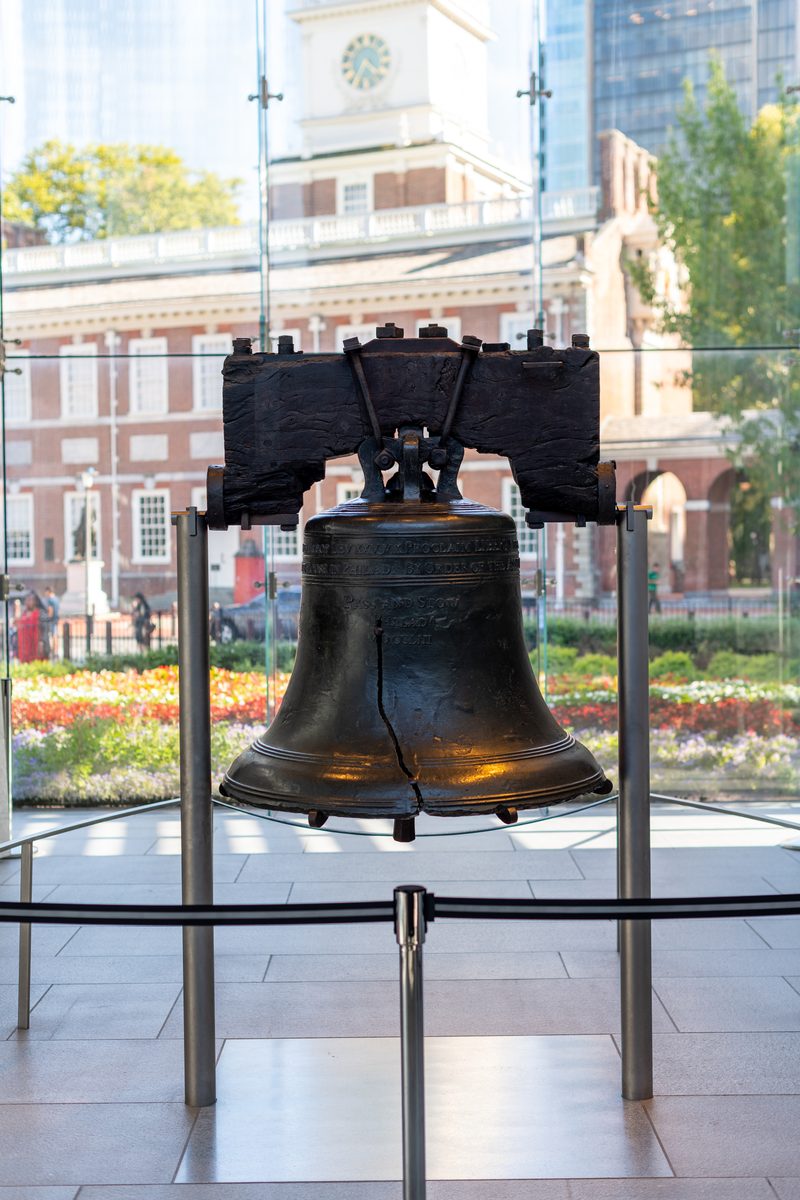
Proclaim liberty throughout the land — the verse on the Liberty Bell
⚠ V10's ‘proclaim liberty throughout the land to all its inhabitants’ is, word for word, the inscription cast onto Pennsylvania's State House bell in 1752 — what the world now calls the Liberty Bell. KJV reads it almost identically, ‘proclaim liberty throughout all the land unto all the inhabitants thereof,’ and that is the exact wording the bell's founders chose to cast in metal, a law for debt-release and land-return in an agricultural society repurposed, two and a half millennia later, as a founding civic slogan for a nation that had not yet ended slavery. The jubilee itself is counted the same way the festival calendar of Leviticus 23 (already on these pages) counts to Pentecost — seven sabbaths of seven, then one more — so the fiftieth year answers structurally to the fiftieth day, the two great ‘counted’ institutions of the Torah's calendar. It opens, distinctively, on the Day of Atonement (already on these pages): liberty is proclaimed on the one day of the year the nation has just been declared clean.
Pricing by the calendar, not by the land
What looks like a sale of land is legally a lease of harvests until the jubilee — vv15-16 make the buyer and seller literally count the crop-years remaining and price accordingly, since the land itself reverts on a fixed schedule no transaction can override. ‘Neighbor’ here is amit (already discussed at Leviticus 19:15, already on these pages), the narrower word this project has already distinguished from the broader rea — the same care for a fellow member of the covenant community this project has already tracked once.
The land is mine — the theological center of the whole chapter
V23 states outright what the rest of the chapter only implies: Israel does not, strictly, own the land at all. It is Jehovah's; Israel holds it as resident aliens and settlers — the identical pair this project's own dictionary entry (already on these pages, first at Genesis 23:4) already defined as legal terms for someone with no underlying title. KJV and ASV both keep the pair distinct here, ‘strangers and sojourners’; NIV collapses it to a single word, ‘foreigners.’ The nation that will one day parcel this land among its tribes is told, at the very moment the parceling law is given, that it holds the deed the same way Abraham held Canaan while owning nothing in it but a grave.
The kinsman-redeemer law, finally arrived
This is the chapter Genesis 48:16's own go'el entry (already on these pages) named by number and promised would come: ‘the word goes on to carry Ruth's Boaz, the “kinsman-redeemer” laws of Leviticus 25.’ The mechanism is exact: sold land is not gone, it is on loan until either a near relative buys it back (vv25-27), the seller himself recovers enough to redeem it (v26), or the jubilee arrives regardless (v28) — three separate paths back to the same possession. Vv29-34 then draw one sharp exception: a house inside a walled city, once a year passes unredeemed, is gone for good and does NOT return at the jubilee — ordinary land always returns, city real estate does not, unless it belongs to the landless Levites, whose houses keep the jubilee right permanently because their ‘possession’ was never fields to begin with (Numbers 35, not yet on these pages).
Two words for interest, and neither may be charged
Neshekh and tarbit are paired here exactly as they are everywhere else in the Torah (Exodus 22:25, already on these pages; Deuteronomy 23:19-20, not yet on these pages) — not two rates but the two mechanisms ancient lenders used, interest deducted in advance from the loan and interest added on at repayment, both forbidden in one breath. The law is aimed specifically at a brother who has ‘grown poor,’ not at commerce in general: profiting from a fellow Israelite's poverty is what is banned, not lending itself.
The word for Egypt's cruelty, forbidden between brothers
⚠ ‘Harshness’ (vv43, 46, 53, perekh) is the identical rare word this project's own Exodus 1 entry (already on these pages) used for Pharaoh's own treatment of enslaved Israel: ‘they made their lives bitter with hard service, in mortar and brick… with rigor (be-farekh).’ That entry named this exact verse as where the word would return; it does, three times in eight verses, as the one thing an Israelite master is flatly forbidden to become to an Israelite servant. This project's own note on Exodus 21:2 (already on these pages) already flagged the limit a foreign-born slave does not get (vv44-46) — that limit is exactly what stands here, spelled out at last: six years and an ear-piercing ritual bound only a fellow Israelite; the nations around Israel could be bought as permanent property, but Israel's own could not be made to Egypt what Egypt had been to Israel.
A closing frame — servants of no one but Jehovah
The chapter's final unit runs the same law in reverse: an Israelite who sells himself to a wealthy resident alien keeps every jubilee protection a debtor owes a fellow Israelite, priced the identical way (vv50-52) and freed the identical way (v54). ‘For to me the children of Israel are servants’ (v55) closes the chapter by echoing v42 almost word for word — the same claim bracketing the whole unit on servitude: whatever an Israelite owes a human buyer, ownership itself belongs to Jehovah first, on the strength of one historical fact repeated at both ends, ‘whom I brought out of the land of Egypt.’
Notes on this translation
Decisions. Hebrew and English Leviticus 25 both run 1–55 — verified against the Masoretic text, no versification shift. Six Masoretic paragraphs divide it: closed after v7, v24, v28, v34, v38, v46. Three new dictionary entries: yovel, ‘jubilee’; deror, ‘liberty/release’, the Liberty Bell's own word; and neshekh/tarbit, the paired terms for interest. Ger and toshav, paired throughout this chapter (vv23, 35, 47), follow this project's own established Genesis 23:4 rendering, ‘resident alien and settler,’ rather than Leviticus 19's standalone ‘stranger’ for ger alone.
Echoes paid. Exodus 23:10-11's one-sentence sabbatical year (already on these pages), given here its full ritual and legal apparatus; Genesis 48:16's own go'el entry (already on these pages), which named this exact chapter by number; Exodus 1:13-14's perekh (already on these pages), the word for Egypt's own cruelty, now forbidden between Israelites by name; Exodus 21:2's own note on the six-year Hebrew-servant limit (already on these pages), whose promised foreign-slave exception (vv44-46) arrives here; Leviticus 19:15's amit (already on these pages), reused for fair dealing in a land transaction; Leviticus 23's count of seven sabbaths of days to Pentecost (already on these pages), structurally mirrored here as seven sabbaths of years to the jubilee; and the ger/toshav dictionary entry itself (already on these pages, Genesis 23:4), reused for Israel's own legal status before Jehovah (v23).
Echoes planted. Numbers 35 (not yet on these pages), which will set the Levites' landless cities that this chapter's v32-34 already treats as a special case; Deuteronomy 23:19-20 (not yet on these pages), which will repeat the neshekh/tarbit interest ban; Isaiah 61:1-2 (not yet on these pages), which borrows this chapter's own ‘proclaim liberty’ language for a much larger deliverance; and Ruth (already on these pages), the go'el law turned into a love story.
⚠ A note on order: Leviticus stands complete on these pages, chapters 1–27.