1
וַיְדַבֵּר יְהוָה, אֶל-מֹשֶׁה לֵּאמֹר.
Jehová habló a Moisés, diciendo:
2
דַּבֵּר אֶל-בְּנֵי יִשְׂרָאֵל, וְאָמַרְתָּ אֲלֵהֶם, אִישׁ, כִּי יַפְלִא נֶדֶר--בְּעֶרְכְּךָ נְפָשֹׁת, לַיהוָה.
Speak to the children of Israel, and say to them: When a man makes a special vow, valuing persons to Jehovah,
noteHabla a los hijos de Israel, y diles: Cuando alguien haga un voto especial, tasando personas para Jehová,
3
וְהָיָה עֶרְכְּךָ, הַזָּכָר, מִבֶּן עֶשְׂרִים שָׁנָה, וְעַד בֶּן-שִׁשִּׁים שָׁנָה: וְהָיָה עֶרְכְּךָ, חֲמִשִּׁים שֶׁקֶל כֶּסֶף--בְּשֶׁקֶל הַקֹּדֶשׁ.
then your
valuation shall be: for a male from twenty years old up to sixty years old, your valuation shall be fifty shekels of silver, according to the shekel of the sanctuary.
noteentonces tu
tasación será: por un varón de veinte a sesenta años, tu tasación será de cincuenta siclos de plata, según el siclo del santuario.
4
וְאִם-נְקֵבָה, הִוא--וְהָיָה עֶרְכְּךָ, שְׁלֹשִׁים שָׁקֶל.
And if it is a female, your valuation shall be thirty shekels.
noteY si es mujer, tu tasación será de treinta siclos.
5
וְאִם מִבֶּן-חָמֵשׁ שָׁנִים, וְעַד בֶּן-עֶשְׂרִים שָׁנָה--וְהָיָה עֶרְכְּךָ הַזָּכָר, עֶשְׂרִים שְׁקָלִים; וְלַנְּקֵבָה, עֲשֶׂרֶת שְׁקָלִים.
And if from five years old up to twenty years old, your valuation for a male shall be twenty shekels, and for a female ten shekels.
noteY si de cinco a veinte años, tu tasación por un varón será de veinte siclos, y por una mujer diez siclos.
6
וְאִם מִבֶּן-חֹדֶשׁ, וְעַד בֶּן-חָמֵשׁ שָׁנִים--וְהָיָה עֶרְכְּךָ הַזָּכָר, חֲמִשָּׁה שְׁקָלִים כָּסֶף; וְלַנְּקֵבָה עֶרְכְּךָ, שְׁלֹשֶׁת שְׁקָלִים כָּסֶף.
And if from a month old up to five years old, your valuation for a male shall be five shekels of silver, and for a female your valuation shall be three shekels of silver.
noteY si de un mes a cinco años, tu tasación por un varón será de cinco siclos de plata, y por una mujer tu tasación será de tres siclos de plata.
7
וְאִם מִבֶּן-שִׁשִּׁים שָׁנָה וָמַעְלָה, אִם-זָכָר--וְהָיָה עֶרְכְּךָ, חֲמִשָּׁה עָשָׂר שָׁקֶל; וְלַנְּקֵבָה, עֲשָׂרָה שְׁקָלִים.
And if from sixty years old and upward, if a male, your valuation shall be fifteen shekels, and for a female ten shekels.
noteY si de sesenta años para arriba, si es varón, tu tasación será de quince siclos, y por una mujer diez siclos.
8
וְאִם-מָךְ הוּא, מֵעֶרְכֶּךָ--וְהֶעֱמִידוֹ לִפְנֵי הַכֹּהֵן, וְהֶעֱרִיךְ אֹתוֹ הַכֹּהֵן: עַל-פִּי, אֲשֶׁר תַּשִּׂיג יַד הַנֹּדֵר--יַעֲרִיכֶנּוּ, הַכֹּהֵן. {ס}
But if he is too poor to pay your valuation, then he shall be presented before the priest, and the priest shall value him: according to what the one who vowed can afford, the priest shall value him.
{ס}notePero si es demasiado pobre para pagar tu tasación, entonces será presentado ante el sacerdote, y el sacerdote lo tasará: conforme a lo que pueda pagar el que hizo el voto, el sacerdote lo tasará.
9
וְאִם-בְּהֵמָה--אֲשֶׁר יַקְרִיבוּ מִמֶּנָּה קָרְבָּן, לַיהוָה: כֹּל אֲשֶׁר יִתֵּן מִמֶּנּוּ לַיהוָה, יִהְיֶה-קֹּדֶשׁ.
And if it is an animal such as they may offer as an offering to Jehovah, all that anyone gives of it to Jehovah shall be holy.
noteY si es un animal de los que se puede ofrecer ofrenda a Jehová, todo lo que de él se dé a Jehová será santo.
10
לֹא יַחֲלִיפֶנּוּ, וְלֹא-יָמִיר אֹתוֹ טוֹב בְּרָע--אוֹ-רַע בְּטוֹב; וְאִם-הָמֵר יָמִיר בְּהֵמָה בִּבְהֵמָה, וְהָיָה-הוּא וּתְמוּרָתוֹ יִהְיֶה-קֹּדֶשׁ.
He shall not exchange it, nor substitute it, good for bad or bad for good; and if he does at all substitute animal for animal, then both it and its substitute shall be holy.
noteNo lo cambiará, ni lo sustituirá, bueno por malo o malo por bueno; y si en efecto sustituye un animal por otro, entonces tanto él como su sustituto serán santos.
11
וְאִם, כָּל-בְּהֵמָה טְמֵאָה, אֲשֶׁר לֹא-יַקְרִיבוּ מִמֶּנָּה קָרְבָּן, לַיהוָה--וְהֶעֱמִיד אֶת-הַבְּהֵמָה, לִפְנֵי הַכֹּהֵן.
And if it is any unclean animal, of which they do not offer an offering to Jehovah, then he shall present the animal before the priest;
noteY si es cualquier animal impuro, de los que no se ofrece ofrenda a Jehová, entonces presentará el animal ante el sacerdote;
12
וְהֶעֱרִיךְ הַכֹּהֵן אֹתָהּ, בֵּין טוֹב וּבֵין רָע: כְּעֶרְכְּךָ הַכֹּהֵן, כֵּן יִהְיֶה.
and the priest shall value it, between good and bad; as you the priest value it, so it shall be.
notey el sacerdote lo tasará, entre bueno y malo; conforme tú, el sacerdote, lo tases, así será.
13
וְאִם-גָּאֹל, יִגְאָלֶנָּה--וְיָסַף חֲמִישִׁתוֹ, עַל-עֶרְכֶּךָ.
But if he wishes to redeem it at all, then he shall add a fifth to your valuation.
notePero si quiere rescatarlo, añadirá una quinta parte a tu tasación.
14
וְאִישׁ, כִּי-יַקְדִּשׁ אֶת-בֵּיתוֹ קֹדֶשׁ לַיהוָה--וְהֶעֱרִיכוֹ הַכֹּהֵן, בֵּין טוֹב וּבֵין רָע: כַּאֲשֶׁר יַעֲרִיךְ אֹתוֹ הַכֹּהֵן, כֵּן יָקוּם.
And when a man dedicates his house as holy to Jehovah, then the priest shall value it, between good and bad; as the priest values it, so shall it stand.
noteY cuando alguien consagre su casa como santa a Jehová, el sacerdote la tasará, entre buena y mala; conforme la tase el sacerdote, así quedará.
15
וְאִם-הַמַּקְדִּישׁ--יִגְאַל, אֶת-בֵּיתוֹ: וְיָסַף חֲמִישִׁית כֶּסֶף-עֶרְכְּךָ, עָלָיו--וְהָיָה לוֹ.
And if the one who dedicated it wishes to redeem his house, then he shall add a fifth of the money of your valuation to it, and it shall be his.
noteY si el que la consagró quiere rescatar su casa, añadirá una quinta parte del dinero de tu tasación, y será suya.
16
וְאִם מִשְּׂדֵה אֲחֻזָּתוֹ, יַקְדִּישׁ אִישׁ לַיהוָה--וְהָיָה עֶרְכְּךָ, לְפִי זַרְעוֹ: זֶרַע חֹמֶר שְׂעֹרִים, בַּחֲמִשִּׁים שֶׁקֶל כָּסֶף.
And if a man dedicates to Jehovah part of the field of his own possession, then your valuation shall be according to its seed: a homer of barley seed valued at fifty shekels of silver.
noteY si alguien consagra a Jehová parte del campo de su posesión, tu tasación será conforme a su siembra: un homer de semilla de cebada tasado en cincuenta siclos de plata.
17
אִם-מִשְּׁנַת הַיֹּבֵל, יַקְדִּישׁ שָׂדֵהוּ--כְּעֶרְכְּךָ, יָקוּם.
If he dedicates his field from the Year of Jubilee, it shall stand according to your full valuation.
noteSi consagra su campo desde el año del jubileo, quedará conforme a tu tasación completa.
18
וְאִם-אַחַר הַיֹּבֵל, יַקְדִּישׁ שָׂדֵהוּ--וְחִשַּׁב-לוֹ הַכֹּהֵן אֶת-הַכֶּסֶף עַל-פִּי הַשָּׁנִים הַנּוֹתָרֹת, עַד שְׁנַת הַיֹּבֵל; וְנִגְרַע, מֵעֶרְכֶּךָ.
But if he dedicates his field after the jubilee, then the priest shall reckon the money for him according to the years that remain until the Year of Jubilee, and it shall be deducted from your valuation.
notePero si consagra su campo después del jubileo, el sacerdote le calculará el dinero conforme a los años que resten hasta el año del jubileo, y se descontará de tu tasación.
19
וְאִם-גָּאֹל יִגְאַל אֶת-הַשָּׂדֶה, הַמַּקְדִּישׁ אֹתוֹ: וְיָסַף חֲמִשִׁית כֶּסֶף-עֶרְכְּךָ, עָלָיו--וְקָם לוֹ.
And if he who dedicated the field wishes to redeem it at all, then he shall add a fifth of the money of your valuation to it, and it shall remain his.
noteY si el que consagró el campo quiere rescatarlo, añadirá una quinta parte del dinero de tu tasación, y quedará suyo.
20
וְאִם-לֹא יִגְאַל אֶת-הַשָּׂדֶה, וְאִם-מָכַר אֶת-הַשָּׂדֶה לְאִישׁ אַחֵר--לֹא יִגָּאֵל, עוֹד.
But if he does not redeem the field, or if he has sold the field to another man, it shall never be redeemed again.
notePero si no rescata el campo, o si ha vendido el campo a otro hombre, no podrá rescatarse ya más.
21
וְהָיָה הַשָּׂדֶה בְּצֵאתוֹ בַיֹּבֵל, קֹדֶשׁ לַיהוָה--כִּשְׂדֵה הַחֵרֶם: לַכֹּהֵן, תִּהְיֶה אֲחֻזָּתוֹ.
But the field, when it is released in the jubilee, shall be holy to Jehovah, like a
field devoted; it shall become the priest's own possession.
note
22
וְאִם, אֶת-שְׂדֵה מִקְנָתוֹ, אֲשֶׁר, לֹא מִשְּׂדֵה אֲחֻזָּתוֹ--יַקְדִּישׁ, לַיהוָה.
And if he dedicates to Jehovah a field which he has bought, which is not part of the field of his own possession,
noteY si consagra a Jehová un campo que ha comprado, que no es parte del campo de su posesión,
23
וְחִשַּׁב-לוֹ הַכֹּהֵן, אֵת מִכְסַת הָעֶרְכְּךָ, עַד, שְׁנַת הַיֹּבֵל; וְנָתַן אֶת-הָעֶרְכְּךָ בַּיּוֹם הַהוּא, קֹדֶשׁ לַיהוָה.
then the priest shall reckon for him the amount of your valuation up to the Year of Jubilee, and he shall give your valuation on that day, as a holy thing to Jehovah.
noteel sacerdote le calculará el importe de tu tasación hasta el año del jubileo, y dará tu tasación ese mismo día, como cosa santa a Jehová.
24
בִּשְׁנַת הַיּוֹבֵל יָשׁוּב הַשָּׂדֶה, לַאֲשֶׁר קָנָהוּ מֵאִתּוֹ--לַאֲשֶׁר-לוֹ, אֲחֻזַּת הָאָרֶץ.
In the Year of Jubilee the field shall return to the one from whom it was bought, to him to whom the possession of the land belongs.
noteEn el año del jubileo el campo volverá a aquel de quien se compró, a aquel a quien pertenece la posesión de la tierra.
25
וְכָל-עֶרְכְּךָ--יִהְיֶה, בְּשֶׁקֶל הַקֹּדֶשׁ: עֶשְׂרִים גֵּרָה, יִהְיֶה הַשָּׁקֶל.
And every valuation shall be according to the shekel of the sanctuary: twenty gerahs shall make a shekel.
noteY toda tasación será según el siclo del santuario: veinte geras harán un siclo.
26
אַךְ-בְּכוֹר אֲשֶׁר-יְבֻכַּר לַיהוָה, בִּבְהֵמָה--לֹא-יַקְדִּישׁ אִישׁ, אֹתוֹ: אִם-שׁוֹר אִם-שֶׂה, לַיהוָה הוּא.
But the firstborn of animals, which as a firstborn already belongs to Jehovah, no man may dedicate it — whether an ox or a sheep, it is Jehovah's already.
notePero el primogénito de los animales, que como primogénito ya pertenece a Jehová, nadie podrá consagrarlo —sea buey o cordero, ya es de Jehová.
27
וְאִם בַּבְּהֵמָה הַטְּמֵאָה וּפָדָה בְעֶרְכֶּךָ, וְיָסַף חֲמִשִׁתוֹ עָלָיו; וְאִם-לֹא יִגָּאֵל, וְנִמְכַּר בְּעֶרְכֶּךָ.
And if it is an unclean animal, then he shall redeem it at your valuation, and add a fifth to it; or if it is not redeemed, then it shall be sold at your valuation.
noteY si es un animal impuro, lo rescatará según tu tasación, y añadirá una quinta parte; y si no se rescata, se venderá según tu tasación.
28
אַךְ-כָּל-חֵרֶם אֲשֶׁר יַחֲרִם אִישׁ לַיהוָה מִכָּל-אֲשֶׁר-לוֹ, מֵאָדָם וּבְהֵמָה וּמִשְּׂדֵה אֲחֻזָּתוֹ--לֹא יִמָּכֵר, וְלֹא יִגָּאֵל: כָּל-חֵרֶם, קֹדֶשׁ-קָדָשִׁים הוּא לַיהוָה.
But no
devoted thing that a man devotes to Jehovah, of all that he has, whether of man or animal or of the field of his own possession, shall be sold or redeemed; every devoted thing is most holy to Jehovah.
notePero ninguna
cosa consagrada por anatema que alguien consagre a Jehová, de todo lo que tenga, sea de persona, de animal o del campo de su posesión, se venderá ni se rescatará; toda cosa consagrada por anatema es santísima a Jehová.
29
כָּל-חֵרֶם, אֲשֶׁר יָחֳרַם מִן-הָאָדָם--לֹא יִפָּדֶה: מוֹת, יוּמָת.
No one who is devoted, who is set apart from mankind for destruction, shall be ransomed; he shall surely be put to death.
noteNadie consagrado por anatema, apartado de entre los hombres para destrucción, podrá ser rescatado; morirá sin falta.
30
וְכָל-מַעְשַׂר הָאָרֶץ מִזֶּרַע הָאָרֶץ, מִפְּרִי הָעֵץ--לַיהוָה, הוּא: קֹדֶשׁ, לַיהוָה.
And all the
tithe of the land, whether of the seed of the land or of the fruit of the tree, is Jehovah's; it is holy to Jehovah.
noteY todo
diezmo de la tierra, sea de la semilla de la tierra o del fruto del árbol, es de Jehová; santo es a Jehová.
31
וְאִם-גָּאֹל יִגְאַל אִישׁ, מִמַּעַשְׂרוֹ--חֲמִשִׁיתוֹ, יֹסֵף עָלָיו.
And if a man wishes to redeem any part of his tithe, he shall add a fifth to it.
noteY si alguien quiere rescatar parte de su diezmo, añadirá una quinta parte.
32
וְכָל-מַעְשַׂר בָּקָר וָצֹאן, כֹּל אֲשֶׁר-יַעֲבֹר תַּחַת הַשָּׁבֶט--הָעֲשִׂירִי, יִהְיֶה-קֹּדֶשׁ לַיהוָה.
And every tithe of the herd or the flock, whatever passes under the shepherd's staff, the tenth one shall be holy to Jehovah.
noteY todo diezmo de vacas u ovejas, de todo lo que pasa bajo el cayado del pastor, el décimo será santo a Jehová.
33
לֹא יְבַקֵּר בֵּין-טוֹב לָרַע, וְלֹא יְמִירֶנּוּ; וְאִם-הָמֵר יְמִירֶנּוּ, וְהָיָה-הוּא וּתְמוּרָתוֹ יִהְיֶה-קֹּדֶשׁ לֹא יִגָּאֵל.
He shall not
inspect whether it is good or bad, nor shall he substitute it; and if he does substitute it at all, then both it and its substitute shall be holy; it shall not be redeemed.
noteNo examinará si es bueno o malo, ni lo sustituirá; y si en efecto lo sustituye, entonces tanto él como su sustituto serán santos; no podrá rescatarse.
34
אֵלֶּה הַמִּצְוֺת, אֲשֶׁר צִוָּה יְהוָה אֶת-מֹשֶׁה--אֶל-בְּנֵי יִשְׂרָאֵל: בְּהַר, סִינָי. {ש}
These are the commandments which Jehovah commanded Moses for the children of Israel at Mount Sinai.
{ש}noteEstos son los mandamientos que Jehová dio a Moisés para los hijos de Israel, en el monte Sinaí.
Leviticus 27 meaning — valuing a person, and the price that already happened
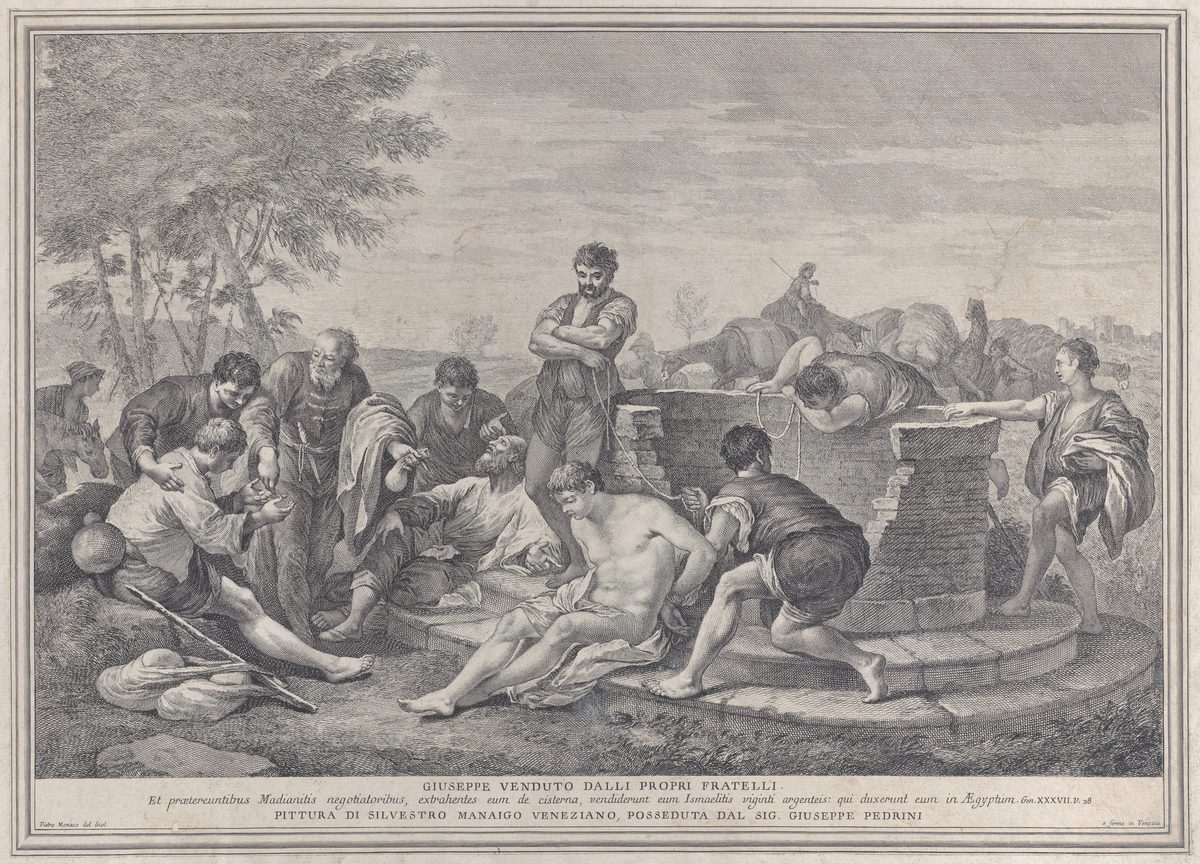
This closing chapter is a fixed price list: not what a person is worth, but what a VOW of a person costs to fulfill. ⚠ Erekh, ‘valuation,’ is grammatically addressed to Moses himself — ‘YOUR valuation’ — a flat tariff by age and sex, not a market appraisal, with an explicit provision (v8) for the poor to have the priest set a figure they can actually pay. KJV renders it ‘thy estimation’ throughout, keeping the second-person address visible; NIV smooths it to the impersonal ‘the following amounts,’ losing the grammatical oddity entirely; NWT keeps a version of the personal address, ‘your valuation.’ This project's own note on Genesis 37:28 (already on these pages) already put this exact number to use: Joseph, seventeen years old, is sold for twenty pieces of silver — precisely this chapter's own fixed valuation for a male between five and twenty. The price was not an insult or an underpayment; it was, horribly, the going institutional rate.
Animals already fit for the altar — no swap allowed
An animal already qualified for sacrifice cannot be substituted once vowed, not even trading a worse one in for a better one — and if someone tries anyway, the law's penalty is generous rather than punitive: both animals become holy, doubling the gift rather than nullifying the swap. An unclean animal (one that could never be offered) gets an actual appraisal instead, ‘between good and bad’ (v12) — the only place in this chapter something is genuinely assessed for its own individual worth rather than slotted into a fixed tariff.
A house given to God, and the fifth that buys it back
A dedicated house gets the same individual appraisal as an unclean animal (v14) — and the same 20% redemption premium recurs here for the first of five times in this chapter (vv13, 15, 19, 27, 31): a person may always buy back what they dedicated, but never at par. The premium is not a fine; it is the price of changing your mind after the gift was already, legally, Jehovah's.
Fields, and the jubilee doing the same work it did two chapters ago
Dedicating land runs the identical logic Leviticus 25 (already on these pages) already established for selling it: an ancestral field's value is priced by how many jubilee-years remain, because the land was never fully alienable past the reset in the first place. ⚠ Vv22-24 draw a sharp distinction this chapter never explains outright: a field the man BOUGHT (not his own ancestral holding) reverts to its original family at the jubilee regardless of what he does with it — he never had the standing to dedicate more than his own temporary lease. But an ancestral field dedicated and never redeemed becomes the priest's permanent property at the jubilee, ‘like a field devoted’ (v21) — the chapter's first use of cherem, before the term gets its own full, harder treatment at vv28-29.
You cannot dedicate what was never yours to give
A firstborn animal cannot be vowed to Jehovah for the same reason a field already sold back at the jubilee cannot be permanently dedicated: it already belongs to him. This project's own note on Exodus 13:1-2 (already on these pages) already fixed the firstborn's consecrated status before Israel had even left Egypt; this verse simply closes the loophole someone might try — you cannot vow, as a gift, something you never owned to begin with.
Cherem — the one gift that cannot be taken back
⚠ Everything else in this chapter can be redeemed, for a price. Cherem, ‘the devoted thing,’ cannot — not property, not an animal, and, starkest of all, not a person. V29 is one of the hardest verses in this book, and this translation does not soften it: a human being placed under the ban is not ransomable, full stop. This project's own cherem entry (already on these pages) already named the moral weight of this word in the conquest narratives to come; here, for the first time, is the actual law those narratives will carry out.
The tithe, and a verb this project has already met in a psalm
Land's tithe can be redeemed at valuation plus a fifth, same as everything else; livestock's tithe cannot — every tenth animal that ‘passes under the staff’ (v32, the actual counting ritual: animals filed past one at a time, every tenth one tapped and set aside) is fixed by the count itself, not by appraisal. ⚠ V33's ‘inspect’ (levaqer) is the identical verb this project's own note on Psalm 27:4 (already on these pages) already flagged: the psalmist asking to be gone over by God the way a priest goes over a tithe animal, item by item, or a shepherd goes over a scattered flock. No favoritism, no cherry-picking the best for yourself and passing off the worst — the count itself, not a judgment call, decides which one is holy.
The last verse of Leviticus
⚠ V34 closes not just this chapter but the entire book — the identical colophon formula Leviticus 26:46 (already on these pages) already used to close the Sinai law code proper, here repeated to close this appendix as well. Mechon-Mamre's own source text marks this exact verse with a symbol used nowhere else in this book — by their own stated convention, ‘an empty line at the end of some books,’ distinct from the ordinary open/closed paragraph breaks (‘{פ}’/‘{ס}’) used throughout Leviticus. It is a page-layout note about their source printing, not a claim this project can verify as ancient Masoretic practice — but its placement, exactly here and nowhere else in the book, is itself suggestive. Leviticus opened at the tent of meeting with the mechanics of animal sacrifice (1:1-2); it closes on tithes, vows, and valuations — the whole book, start to finish, is instruction in what it costs to approach a holy God, and what that God is willing to accept in return. Numbers picks up immediately where this leaves off: the same wilderness camp, one month later (Numbers 1:1, already on these pages), still camped at the same mountain.
Notes on this translation
Decisions. Hebrew and English Leviticus 27 both run 1–34 — verified against the Masoretic text, no versification shift. One Masoretic paragraph break divides the chapter: closed after v8; the final verse, v34, carries a distinct layout mark in Mechon-Mamre's own source text (rendered here with its own tooltip) that their site glosses as ‘an empty line at the end of some books’ — used nowhere else in Leviticus, and appearing exactly at the book's own last verse. One new dictionary entry: erekh, the fixed, non-negotiable valuation tariff that gives this chapter its structure. Cherem and ma'aser are both extended, not forked, with this chapter's own legal content.
Echoes paid. Genesis 37:28's own price for Joseph (already on these pages), now revealed as this chapter's exact fixed valuation for a boy his age; Leviticus 25's jubilee-tied land pricing (already on these pages), reused here for dedicated fields; Exodus 13:1-2's consecration of the firstborn (already on these pages), the reason a firstborn animal cannot also be vowed; this project's own cherem dictionary entry (already on these pages), given its actual source law for the first time; and Psalm 27:4's own note on levaqer (already on these pages), which already named this chapter's tithe-inspection verb.
Echoes planted. Numbers 18:21-24 (now on these pages), which assigns this chapter's own land-tithe to the Levites by name; Joshua 6 (already on these pages), where Jericho itself is placed under the ban, and Joshua 7 (not yet on these pages), where Achan's theft from it turns this chapter's abstract law into a narrative; and 1 Samuel 15 (not yet on these pages), where a king's own failure to carry out cherem against Amalek costs him the throne.
⚠ A note on order: Leviticus stands complete on these pages, chapters 1–27.