1
וִירִיחוֹ סֹגֶרֶת וּמְסֻגֶּרֶת, מִפְּנֵי בְּנֵי יִשְׂרָאֵל: אֵין יוֹצֵא, וְאֵין בָּא.
{ס}Now
Jericho was shut up tight because of the people of Israel; no one went out, and no one came in.
noteY Jericó estaba cerrada y bien fortificada a causa de los hijos de Israel; nadie salía, ni nadie entraba.
2
וַיֹּאמֶר יְהוָה, אֶל-יְהוֹשֻׁעַ, רְאֵה נָתַתִּי בְיָדְךָ, אֶת-יְרִיחוֹ וְאֶת-מַלְכָּהּ--גִּבּוֹרֵי, הֶחָיִל.
And Jehovah said to Joshua: ‘See, I have given Jericho into your hand, with its king and its mighty warriors.
noteY Jehová dijo a Josué: ‘Mira, yo he entregado en tu mano a Jericó, y a su rey, con sus valientes guerreros.
3
וְסַבֹּתֶם אֶת-הָעִיר, כֹּל אַנְשֵׁי הַמִּלְחָמָה--הַקֵּיף אֶת-הָעִיר, פַּעַם אֶחָת; כֹּה תַעֲשֶׂה, שֵׁשֶׁת יָמִים.
You shall march around the city, all the men of war, going around the city once. You shall do this for six days.
noteRodearéis la ciudad, todos los hombres de guerra, dando una vuelta alrededor de la ciudad. Así haréis por seis días.
4
וְשִׁבְעָה כֹהֲנִים יִשְׂאוּ שִׁבְעָה שׁוֹפְרוֹת הַיּוֹבְלִים, לִפְנֵי הָאָרוֹן, וּבַיּוֹם הַשְּׁבִיעִי, תָּסֹבּוּ אֶת-הָעִיר שֶׁבַע פְּעָמִים; וְהַכֹּהֲנִים, יִתְקְעוּ בַּשּׁוֹפָרוֹת.
And
seven priests shall carry
seven ram’s-horn trumpets before the ark; and on the
seventh day you shall march around the city
seven times, and the priests shall blow the trumpets.
noteY siete sacerdotes llevarán siete trompetas de cuerno de carnero delante del arca; y al séptimo día rodearéis la ciudad siete veces, y los sacerdotes tocarán las trompetas.
5
וְהָיָה בִּמְשֹׁךְ בְּקֶרֶן הַיּוֹבֵל, כְּשָׁמְעֲכֶם אֶת-קוֹל הַשּׁוֹפָר, יָרִיעוּ כָל-הָעָם, תְּרוּעָה גְדוֹלָה; וְנָפְלָה חוֹמַת הָעִיר, תַּחְתֶּיהָ, וְעָלוּ הָעָם, אִישׁ נֶגְדּוֹ.
And when they sound a long blast on the ram’s horn, when you hear the sound of the trumpet, all the people shall
shout with a great shout, and the wall of the city will fall down flat, and the people shall go up, each man straight ahead.’
noteY cuando toquen prolongadamente el cuerno de carnero, cuando oigáis el sonido de la trompeta, todo el pueblo gritará a gran voz, y el muro de la ciudad caerá totalmente, y el pueblo subirá, cada uno derecho hacia adelante.’
6
וַיִּקְרָא יְהוֹשֻׁעַ בִּן-נוּן, אֶל-הַכֹּהֲנִים, וַיֹּאמֶר אֲלֵהֶם, שְׂאוּ אֶת-אֲרוֹן הַבְּרִית; וְשִׁבְעָה כֹהֲנִים, יִשְׂאוּ שִׁבְעָה שׁוֹפְרוֹת יוֹבְלִים, לִפְנֵי, אֲרוֹן יְהוָה.
So Joshua son of Nun called the priests and said to them: ‘Take up the ark of the covenant, and let seven priests carry seven ram’s-horn trumpets before the ark of Jehovah.’
noteY llamó Josué hijo de Nun a los sacerdotes, y les dijo: ‘Llevad el arca del pacto, y siete sacerdotes lleven siete trompetas de cuerno de carnero delante del arca de Jehová.’
7
וַיֹּאמֶר, אֶל-הָעָם, עִבְרוּ, וְסֹבּוּ אֶת-הָעִיר; וְהֶחָלוּץ--יַעֲבֹר, לִפְנֵי אֲרוֹן יְהוָה.
And he said to the people: ‘Go forward, and march around the city, and let the armed guard go on before the ark of Jehovah.’
noteY dijo al pueblo: ‘Pasad, y rodead la ciudad, y que los hombres armados pasen delante del arca de Jehová.’
8
וַיְהִי, כֶּאֱמֹר יְהוֹשֻׁעַ אֶל-הָעָם, וְשִׁבְעָה הַכֹּהֲנִים נֹשְׂאִים שִׁבְעָה שׁוֹפְרוֹת הַיּוֹבְלִים לִפְנֵי יְהוָה, עָבְרוּ וְתָקְעוּ בַּשּׁוֹפָרוֹת; וַאֲרוֹן בְּרִית יְהוָה, הֹלֵךְ אַחֲרֵיהֶם.
And as Joshua had spoken to the people, the seven priests carrying the seven ram’s-horn trumpets before Jehovah went forward and blew the trumpets, and the ark of the covenant of Jehovah followed them.
noteY cuando Josué hubo hablado al pueblo, los siete sacerdotes que llevaban las siete trompetas de cuerno de carnero delante de Jehová pasaron y tocaron las trompetas; y el arca del pacto de Jehová los segúa.
9
וְהֶחָלוּץ הֹלֵךְ--לִפְנֵי הַכֹּהֲנִים, תֹּקְעֵי הַשּׁוֹפָרוֹת; וְהַמְאַסֵּף, הֹלֵךְ אַחֲרֵי הָאָרוֹן, הָלוֹךְ, וְתָקוֹעַ בַּשּׁוֹפָרוֹת.
And the armed guard went ahead of the priests who blew the trumpets, and the rear guard came after the ark, blowing the trumpets continually.
noteY los hombres armados iban delante de los sacerdotes que tocaban las trompetas, y la retaguardia iba detrás del arca, tocando las trompetas continuamente.
10
וְאֶת-הָעָם צִוָּה יְהוֹשֻׁעַ לֵאמֹר, לֹא תָרִיעוּ וְלֹא-תַשְׁמִיעוּ אֶת-קוֹלְכֶם, וְלֹא-יֵצֵא מִפִּיכֶם, דָּבָר: עַד יוֹם אָמְרִי אֲלֵיכֶם, הָרִיעוּ--וַהֲרִיעֹתֶם.
But Joshua commanded the people, saying: ‘You shall not
shout, and you shall not let your voice be heard, and not a word shall come out of your mouth, until the day I tell you to shout — then you shall shout.’
notePero Josué mandó al pueblo, diciendo: ‘No gritaréis, ni se oirá vuestra voz, ni saldrá palabra alguna de vuestra boca, hasta el día que yo os diga: Gritad; entonces gritaréis.’
11
וַיַּסֵּב אֲרוֹן-יְהוָה אֶת-הָעִיר, הַקֵּף פַּעַם אֶחָת; וַיָּבֹאוּ, הַמַּחֲנֶה, וַיָּלִינוּ, בַּמַּחֲנֶה.
{פ}So he had the ark of Jehovah go around the city, going around it once; and they came into the camp and spent the night in the camp.
noteAsí hizo que el arca de Jehová rodeara la ciudad, dando una vuelta alrededor de ella; y volvieron al campamento, y pasaron la noche en el campamento.
12
וַיַּשְׁכֵּם יְהוֹשֻׁעַ, בַּבֹּקֶר; וַיִּשְׂאוּ הַכֹּהֲנִים, אֶת-אֲרוֹן יְהוָה.
And Joshua rose early in the morning, and the priests took up the ark of Jehovah.
noteY Josué se levantó de mañana, y los sacerdotes tomaron el arca de Jehová.
13
וְשִׁבְעָה הַכֹּהֲנִים נֹשְׂאִים שִׁבְעָה שׁוֹפְרוֹת הַיֹּבְלִים, לִפְנֵי אֲרוֹן יְהוָה, הֹלְכִים הָלוֹךְ, וְתָקְעוּ בַּשּׁוֹפָרוֹת; וְהֶחָלוּץ, הֹלֵךְ לִפְנֵיהֶם, וְהַמְאַסֵּף הֹלֵךְ אַחֲרֵי אֲרוֹן יְהוָה, הָלוֹךְ וְתָקוֹעַ בַּשּׁוֹפָרוֹת.
And the seven priests carrying the seven ram’s-horn trumpets before the ark of Jehovah went on continually, blowing the trumpets, with the armed guard going before them, and the rear guard coming after the ark of Jehovah, the trumpets blowing continually.
noteY los siete sacerdotes que llevaban las siete trompetas de cuerno de carnero delante del arca de Jehová iban continuamente tocando las trompetas; los hombres armados iban delante de ellos, y la retaguardia iba detrás del arca de Jehová, mientras las trompetas sonaban continuamente.
14
וַיָּסֹבּוּ אֶת-הָעִיר בַּיּוֹם הַשֵּׁנִי, פַּעַם אַחַת, וַיָּשֻׁבוּ, הַמַּחֲנֶה; כֹּה עָשׂוּ, שֵׁשֶׁת יָמִים.
And on the second day they marched around the city once, and returned to the camp; so they did for six days.
noteY el segundo día rodearon la ciudad una vez, y volvieron al campamento; así hicieron por seis días.
15
וַיְהִי בַּיּוֹם הַשְּׁבִיעִי, וַיַּשְׁכִּמוּ כַּעֲלוֹת הַשַּׁחַר, וַיָּסֹבּוּ אֶת-הָעִיר כַּמִּשְׁפָּט הַזֶּה, שֶׁבַע פְּעָמִים: רַק בַּיּוֹם הַהוּא, סָבְבוּ אֶת-הָעִיר שֶׁבַע פְּעָמִים.
And on the
seventh day they rose early, at the dawning of the day, and marched around the city in the same way
seven times; only on that day they marched around the city
seven times.
noteY al séptimo día se levantaron al despuntar el alba, y rodearon la ciudad de la misma manera siete veces; solo aquel día rodearon la ciudad siete veces.
16
וַיְהִי בַּפַּעַם הַשְּׁבִיעִית, תָּקְעוּ הַכֹּהֲנִים בַּשּׁוֹפָרוֹת; וַיֹּאמֶר יְהוֹשֻׁעַ אֶל-הָעָם הָרִיעוּ, כִּי-נָתַן יְהוָה לָכֶם אֶת-הָעִיר.
And at the seventh time, when the priests blew the trumpets, Joshua said to the people: ‘
Shout! For Jehovah has given you the city.
noteY a la séptima vez, cuando los sacerdotes tocaron las trompetas, dijo Josué al pueblo: ‘Gritad, porque Jehová os ha entregado la ciudad.
17
וְהָיְתָה הָעִיר חֵרֶם הִיא וְכָל-אֲשֶׁר-בָּהּ, לַיהוָה: רַק רָחָב הַזּוֹנָה תִּחְיֶה, הִיא וְכָל-אֲשֶׁר אִתָּהּ בַּבַּיִת--כִּי הֶחְבְּאַתָה, אֶת-הַמַּלְאָכִים אֲשֶׁר שָׁלָחְנוּ.
And the city shall be
devoted to destruction for Jehovah, it and everything in it; only
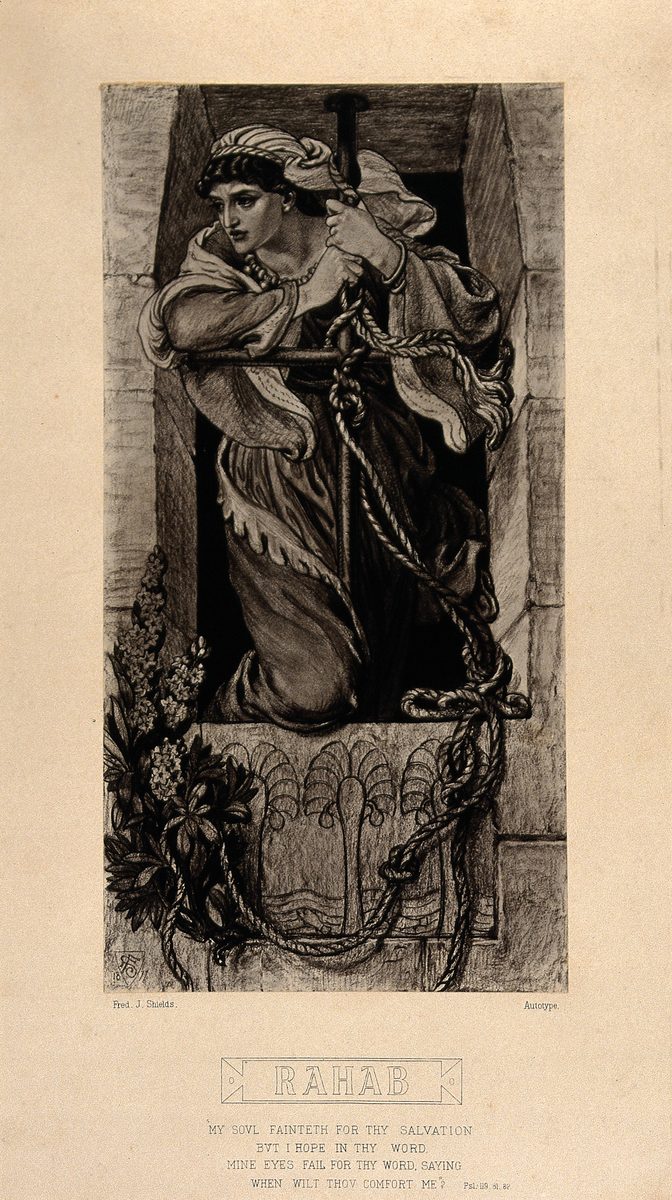
Rahab the prostitute shall live, she and all who are with her in the house, because she hid the messengers we sent.
noteY la ciudad será consagrada a la destrucción total para Jehová, ella y todo lo que hay en ella; solamente Rahab la ramera vivirá, ella y todos los que estén con ella en la casa, porque escondió a los mensajeros que enviamos.
18
וְרַק-אַתֶּם שִׁמְרוּ מִן-הַחֵרֶם, פֶּן-תַּחֲרִימוּ וּלְקַחְתֶּם מִן-הַחֵרֶם; וְשַׂמְתֶּם אֶת-מַחֲנֵה יִשְׂרָאֵל, לְחֵרֶם, וַעֲכַרְתֶּם, אוֹתוֹ.
But you, keep yourselves strictly from the
devoted things, so that you do not doom yourselves by taking any of the devoted things, and bring destruction on the camp of Israel and trouble it.
noteMas vosotros guardaos de las cosas consagradas a la destrucción, no sea que toméis alguna de esas cosas y consagréis a destrucción el campamento de Israel, y lo turbéis.
19
וְכֹל כֶּסֶף וְזָהָב, וּכְלֵי נְחֹשֶׁת וּבַרְזֶל--קֹדֶשׁ הוּא, לַיהוָה: אוֹצַר יְהוָה, יָבוֹא.
But all the silver and gold, and the vessels of bronze and iron, are holy to Jehovah; they shall go into the treasury of Jehovah.’
noteY toda la plata y el oro, y los utensilios de bronce y de hierro, sean consagrados a Jehová, y entren en el tesoro de Jehová.’
20
וַיָּרַע הָעָם, וַיִּתְקְעוּ בַּשֹּׁפָרוֹת; וַיְהִי כִשְׁמֹעַ הָעָם אֶת-קוֹל הַשּׁוֹפָר, וַיָּרִיעוּ הָעָם תְּרוּעָה גְדוֹלָה, וַתִּפֹּל הַחוֹמָה תַּחְתֶּיהָ וַיַּעַל הָעָם הָעִירָה אִישׁ נֶגְדּוֹ, וַיִּלְכְּדוּ אֶת-הָעִיר.
So the people shouted, and the trumpets were blown. And when the people heard the sound of the trumpet, the people shouted with a great shout, and the wall fell down flat, and the people went up into the city, each man straight ahead, and they captured the city.
noteGritó, pues, el pueblo, y tocaron las trompetas; y aconteció que cuando el pueblo oyó el sonido de la trompeta, gritó el pueblo a gran voz, y el muro cayó totalmente, y el pueblo subió a la ciudad, cada uno derecho hacia adelante, y tomaron la ciudad.
21
וַיַּחֲרִימוּ, אֶת-כָּל-אֲשֶׁר בָּעִיר, מֵאִישׁ וְעַד-אִשָּׁה, מִנַּעַר וְעַד-זָקֵן; וְעַד שׁוֹר וָשֶׂה וַחֲמוֹר, לְפִי-חָרֶב.
And they
devoted to destruction everything in the city, both man and woman, young and old, ox and sheep and donkey, with the edge of the sword.
noteY destruyeron por completo todo lo que había en la ciudad, hombres y mujeres, jóvenes y viejos, hasta bueyes, ovejas y asnos, a filo de espada.
22
וְלִשְׁנַיִם הָאֲנָשִׁים הַמְרַגְּלִים אֶת-הָאָרֶץ, אָמַר יְהוֹשֻׁעַ, בֹּאוּ, בֵּית-הָאִשָּׁה הַזּוֹנָה; וְהוֹצִיאוּ מִשָּׁם אֶת-הָאִשָּׁה וְאֶת-כָּל-אֲשֶׁר-לָהּ, כַּאֲשֶׁר נִשְׁבַּעְתֶּם לָהּ.
And Joshua said to the two men who had spied out the land: ‘Go into the prostitute’s house, and bring the woman out from there, and all who belong to her, as you swore to her.’
noteY Josué dijo a los dos hombres que habían reconocido la tierra: ‘Entrad en casa de la mujer ramera, y sacad de allí a la mujer y a todo lo que sea suyo, como lo jurasteis.’
23
וַיָּבֹאוּ הַנְּעָרִים הַמְרַגְּלִים, וַיֹּצִיאוּ אֶת-רָחָב וְאֶת-אָבִיהָ וְאֶת-אִמָּהּ וְאֶת-אַחֶיהָ וְאֶת-כָּל-אֲשֶׁר-לָהּ, וְאֵת כָּל-מִשְׁפְּחוֹתֶיהָ, הוֹצִיאוּ; וַיַּנִּיחוּם--מִחוּץ, לְמַחֲנֵה יִשְׂרָאֵל.
So the young men who had spied went in and brought out Rahab, her father, her mother, her brothers, and all who belonged to her; they brought out all her relatives and put them outside the camp of Israel.
noteY los jóvenes espías entraron y sacaron a Rahab, a su padre, a su madre, a sus hermanos y todo lo que era suyo; y sacaron a toda su parentela, y los pusieron fuera del campamento de Israel.
24
וְהָעִיר שָׂרְפוּ בָאֵשׁ, וְכָל-אֲשֶׁר-בָּהּ: רַק הַכֶּסֶף וְהַזָּהָב, וּכְלֵי הַנְּחֹשֶׁת וְהַבַּרְזֶל--נָתְנוּ, אוֹצַר בֵּית-יְהוָה.
And they burned the city with fire, and everything in it; only the silver and gold, and the vessels of bronze and iron, they put into the treasury of the house of Jehovah.
noteY quemaron la ciudad con fuego, y todo lo que en ella había; solamente pusieron en el tesoro de la casa de Jehová la plata, el oro, y los utensilios de bronce y de hierro.
25
וְאֶת-רָחָב הַזּוֹנָה וְאֶת-בֵּית אָבִיהָ וְאֶת-כָּל-אֲשֶׁר-לָהּ, הֶחֱיָה יְהוֹשֻׁעַ, וַתֵּשֶׁב בְּקֶרֶב יִשְׂרָאֵל, עַד הַיּוֹם הַזֶּה: כִּי הֶחְבִּיאָה אֶת-הַמַּלְאָכִים, אֲשֶׁר-שָׁלַח יְהוֹשֻׁעַ לְרַגֵּל אֶת-יְרִיחוֹ.
{פ}But Rahab the prostitute, and her father’s household, and all who belonged to her, Joshua kept alive; and she has lived in the midst of Israel to this day, because she hid the messengers whom Joshua sent to spy out Jericho.
noteMas Josué salvó la vida a Rahab la ramera, y a la casa de su padre, y a todo lo que ella tenía; y habitó ella entre los israelitas hasta hoy, por cuanto escondió a los mensajeros que Josué envió a reconocer a Jericó.
26
וַיַּשְׁבַּע יְהוֹשֻׁעַ, בָּעֵת הַהִיא לֵאמֹר: אָרוּר הָאִישׁ לִפְנֵי יְהוָה, אֲשֶׁר יָקוּם וּבָנָה אֶת-הָעִיר הַזֹּאת אֶת-יְרִיחוֹ--בִּבְכֹרוֹ יְיַסְּדֶנָּה, וּבִצְעִירוֹ יַצִּיב דְּלָתֶיהָ.
{ס}At that time Joshua pronounced this oath: ‘Cursed before Jehovah is the man who rises up and rebuilds this city, Jericho. At the cost of his firstborn he will lay its foundation, and at the cost of his youngest son he will set up its gates.’
noteEn aquel tiempo Josué hizo un juramento, diciendo: ‘Maldito delante de Jehová el hombre que se levante y reedifique esta ciudad de Jericó. Con la pérdida de su primogénito eche sus cimientos, y con la pérdida de su hijo menor asiente sus puertas.’
27
וַיְהִי יְהוָה, אֶת-יְהוֹשֻׁעַ; וַיְהִי שָׁמְעוֹ, בְּכָל-הָאָרֶץ.
So Jehovah was with Joshua, and his fame spread throughout the land.
noteAsí estuvo Jehová con Josué, y su fama se extendió por toda la tierra.
Translator’s Notes
A city sealed shut
The verse is a single, airless sentence: no one out, no one in. It sets up the chapter's
whole shape before a word of the plan is given — a city that has already stopped moving,
about to be told exactly how it will start again.
KJV keeps its own idiom, “straitly shut up”;
NIV makes it specifically the gates, “securely
barred”; ESV reads “shut up inside and
outside.”
The plan: seven priests, seven horns, seven days, seven times
⚠ Seven structures every part of this instruction: seven priests, seven
ram’s-horn trumpets, six days of one circuit each, a seventh day of seven circuits —
forty-nine circuits total before the final, fiftieth act breaks the pattern entirely. Nothing in
the text explains why seven; the number does the same structuring work here it does throughout
the Torah's calendar (the seventh day, the seventh year, the fiftieth-year jubilee this
“ram’s horn” word, yovel, is also the word for). The instructions are
not a siege tactic in any ordinary sense — no battering ram, no assault, nothing that
would actually weaken a wall by marching past it. The plan is explicitly liturgical: the ark
leads, priests blow horns, and the city falls at the sound of a shout, not the impact of a
weapon.
The order of the procession
The line of march is given twice, almost identically (here and again at v13): armed guard,
priests blowing horns, the ark, rear guard. Repeating the exact order rather than simply saying
“as before” is itself part of the chapter's technique — six days of near-total
narrative repetition, building toward the one day that breaks the pattern.
Total silence, on command
⚠ “Not a word shall come out of your mouth” is a strange thing
to specify about a besieging army for six full days — not merely no war cry, but no
speech of any kind, from anyone, until Joshua personally releases it. The chapter spends far
more words describing what the people do NOT do (vv10-14, mostly silent repetition) than what
they eventually do (v20, one shout). Whatever is happening across those six days, it is not
military pressure on the city; it is discipline imposed on Israel itself, a nation being taught
to wait for a single word before it acts.
Six days, told in shorthand
Verses 12-14 compress six days that vv6-11 have just shown happening once, in full, into
three brief verses — the narrator trusting the reader to supply the repetition rather
than restating the whole procession five more times. The compression itself performs the
waiting: the story, like the army, has nothing new to report until the seventh day.
The seventh day breaks the pattern
Six days of one circuit; the seventh day, seven circuits — the single day that does
not match the previous six is also the day built entirely out of the number seven, repeated
within itself. The chapter's most tightly wound moment is also its most literal fulfillment of
the plan given in vv3-4.
Devoted to destruction, and two exceptions
⚠ Cherem (see the Dictionary), “the devoted thing” or
“the ban,” names something set apart for God so completely that it cannot be
reclaimed, sold, or kept — here applied to an entire city and everything living in it.
KJV renders it “accursed” throughout;
NIV and ESV both move to
“devoted” instead, closer to this translation's own choice.
This is one of the genuinely hardest passages on this shelf, and this translation does not
soften the Hebrew to make it easier: v21 states plainly that the destruction included women,
the old, and the young. Readers and scholars respond to that fact in several different ways
worth naming rather than picking among: some read the conquest narratives' totalizing language
as the standard hyperbolic rhetoric of ancient Near Eastern royal conquest accounts generally
(comparable language survives on non-Israelite victory inscriptions describing wars in which
the archaeology shows the population plainly continued), which would make the numbers rhetorical
rather than a literal body count; others read it as a specific, bounded judgment on Canaanite
religious practice rather than a general model, pointing to the laws restricting warfare
elsewhere in the Torah; others accept the text's plain historical claim and locate the
difficulty in the ethics of divine command rather than in the reading. This library states the
range rather than resolving it. Two things ARE explicitly exempted from the total ban: Rahab's
household (see the note at v22), by name, before the destruction happens rather than as an
afterthought; and silver, gold, bronze, and iron, redirected to the sanctuary treasury rather
than destroyed or taken as personal plunder (v19) — the one category of Jericho's wealth
that survives the cherem is the category no Israelite is allowed to keep for himself.
The wall falls, and Hebrews reads it as faith
Hebrews 11:30 (already on this shelf) credits this moment to faith alone — “by
faith the walls of Jericho fell, after being encircled for seven days” — naming
the six days of silent marching, not the shout itself, as the substance of what was believed.
See the Jericho encyclopedia entry (already on this shelf) for the archaeological question
this verse raises, argued over for a century and not settled here.
What the ban included
See the note at v16. This verse is where the command of vv17-18 is carried out in full, and
this translation renders it as directly as the Hebrew does — “both man and woman,
young and old” — rather than smoothing the sentence into something less
specific.
Rahab, named before the destruction and rescued out of it
⚠ Rahab (see the Encyclopedia) is exempted from the cherem by name at v17, before a single
wall falls — her survival is not a last-minute rescue improvised in the chaos but part
of the plan from the start. Matthew's genealogy of Jesus names her as the mother of Boaz
(Matthew 1:5, already on this shelf), a Canaanite and a prostitute placed deliberately in the
Messiah's own family line. Hebrews 11:31 and James 2:25 (not yet on this shelf) cite her from
opposite directions in the New Testament's own internal argument about faith and works —
Hebrews as an example of faith, James as an example of faith proven by action — the same
woman doing double duty for two different arguments.
Still there, when this was written
“She has lived in the midst of Israel to this day” is the
narrator stepping outside the story's own timeline to speak from whenever the book was actually
being written — a small, concrete claim (a specific family, still identifiable, still
living among the people) rather than a vague appeal to tradition. The phrase recurs across the
historical books as a marker of this kind of claim, and it is one of the details scholars weigh
when asking how much time separates the events of Joshua from the writing of Joshua.
A curse waiting more than five hundred years
⚠ Joshua's oath against rebuilding Jericho, with its specific double price — a
firstborn son at the foundation, a youngest son at the gates — is recorded in 1 Kings 16
(not yet on this shelf) as fulfilled almost word for word centuries later, when a man named
Hiel of Bethel rebuilds the city and loses sons at exactly those two points in the
construction. KJV keeps the older form, “Joshua
adjured them…cursed be the man”; NIV reads
“cursed before the Lord is the one who undertakes to rebuild.” Whether that
later notice is read as the record of a real coincidence, a
fulfilled prophecy, or a literary echo deliberately shaped to match, the author of Kings
clearly knew this verse and wrote with it open.
A closing line that will recur
“Jehovah was with Joshua, and his fame spread” is the kind of summary notice
this book repeats at major turning points — less an ending than a mile marker, confirming
the campaign is proceeding as chapter 1 promised it would.
Notes on this translation
Decisions. Cherem is rendered devoted to
destruction / devoted things rather than softened to a vaguer
“destroyed” or “banned” — explained at v16, where the chapter's
hardest ethical question is addressed directly rather than avoided. The trumpets are
“ram’s-horn trumpets” throughout rather than the more familiar
“shofar,” since this translation generally renders rather than transliterates
common nouns, keeping transliteration for names and genuinely untranslatable terms.
⚠ A note on order: Joshua stands on these pages
at chapter 1, and now 6. Joshua 2–5 and 7–24 remain the open sequence.