1
וּמִן-הַתְּכֵלֶת וְהָאַרְגָּמָן וְתוֹלַעַת הַשָּׁנִי, עָשׂוּ בִגְדֵי-שְׂרָד לְשָׁרֵת בַּקֹּדֶשׁ; וַיַּעֲשׂוּ אֶת-בִּגְדֵי הַקֹּדֶשׁ, אֲשֶׁר לְאַהֲרֹן, כַּאֲשֶׁר צִוָּה יְהוָה, אֶת-מֹשֶׁה. {פ}
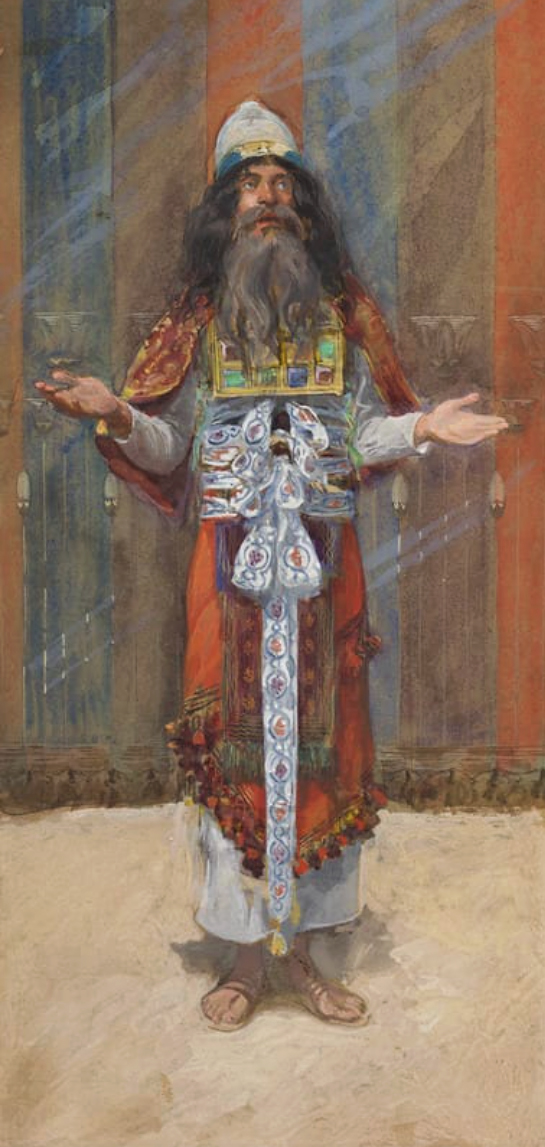
And of the blue, and the purple, and the scarlet, they made the woven garments for ministering in the holy place, and made the holy garments for Aaron, as
Jehovah commanded
Moses.
{פ}noteY de azul, y púrpura, y grana, hicieron las vestiduras tejidas para ministrar en el lugar santo, e hicieron las vestiduras sagradas para Aarón, como Jehová mandó a Moisés. {פ}
2
וַיַּעַשׂ, אֶת-הָאֵפֹד: זָהָב, תְּכֵלֶת וְאַרְגָּמָן וְתוֹלַעַת שָׁנִי--וְשֵׁשׁ מָשְׁזָר.
And he made the ephod of gold, blue, and purple, and scarlet, and fine twined linen.
noteY hizo el efod de oro, azul, y púrpura, y grana, y lino fino torcido.
3
וַיְרַקְּעוּ אֶת-פַּחֵי הַזָּהָב, וְקִצֵּץ פְּתִילִם, לַעֲשׂוֹת בְּתוֹךְ הַתְּכֵלֶת וּבְתוֹךְ הָאַרְגָּמָן, וּבְתוֹךְ תּוֹלַעַת הַשָּׁנִי וּבְתוֹךְ הַשֵּׁשׁ--מַעֲשֵׂה, חֹשֵׁב.
And they beat the gold into thin plates, and cut it into threads, to work it into the blue, and into the purple, and into the scarlet, and into the fine linen, the
work of the designer.
noteY batieron el oro en láminas delgadas, y lo cortaron en hilos, para trabajarlo en el azul, y en la púrpura, y en la grana, y en el lino fino,
obra de diseñador.
4
כְּתֵפֹת עָשׂוּ-לוֹ, חֹבְרֹת--עַל-שְׁנֵי קצוותו קְצוֹתָיו, חֻבָּר.
They made shoulder-pieces for it, joined together; at its two ends it was joined.
noteLe hicieron piezas de hombro, unidas entre sí; en sus dos extremos quedó unido.
5
וְחֵשֶׁב אֲפֻדָּתוֹ אֲשֶׁר עָלָיו, מִמֶּנּוּ הוּא כְּמַעֲשֵׂהוּ, זָהָב תְּכֵלֶת וְאַרְגָּמָן וְתוֹלַעַת שָׁנִי, וְשֵׁשׁ מָשְׁזָר--כַּאֲשֶׁר צִוָּה יְהוָה, אֶת-מֹשֶׁה. {ס}
And the woven band on it, for fastening it, was of the same piece, of like workmanship: gold, blue, and purple, and scarlet, and fine twined linen, as Jehovah commanded Moses.
{ס}noteY el cinto tejido que estaba sobre él, para ceñirlo, era de la misma pieza, de obra semejante: de oro, azul, y púrpura, y grana, y lino fino torcido, como Jehová mandó a Moisés. {ס}
6
וַיַּעֲשׂוּ אֶת-אַבְנֵי הַשֹּׁהַם, מֻסַבֹּת מִשְׁבְּצֹת זָהָב, מְפֻתָּחֹת פִּתּוּחֵי חוֹתָם, עַל-שְׁמוֹת בְּנֵי יִשְׂרָאֵל.
And they worked the onyx stones, enclosed in settings of gold, engraved with the engravings of a signet, according to the names of the children of Israel.
noteY labraron las piedras de ónice, engastadas en engastes de oro, grabadas con grabados de sello, según los nombres de los hijos de Israel.
7
וַיָּשֶׂם אֹתָם, עַל כִּתְפֹת הָאֵפֹד--אַבְנֵי זִכָּרוֹן, לִבְנֵי יִשְׂרָאֵל: כַּאֲשֶׁר צִוָּה יְהוָה, אֶת-מֹשֶׁה. {פ}
And he put them on the shoulder-pieces of the ephod, stones of remembrance for the children of Israel, as Jehovah commanded Moses.
{פ}noteY las puso sobre las piezas de hombro del efod, piedras de recuerdo para los hijos de Israel, como Jehová mandó a Moisés. {פ}
8
וַיַּעַשׂ אֶת-הַחֹשֶׁן מַעֲשֵׂה חֹשֵׁב, כְּמַעֲשֵׂה אֵפֹד: זָהָב, תְּכֵלֶת וְאַרְגָּמָן וְתוֹלַעַת שָׁנִי--וְשֵׁשׁ מָשְׁזָר.
And he made the
breastplate, the work of the designer, like the work of the ephod: gold, blue, and purple, and scarlet, and fine twined linen.
noteY hizo el
pectoral, obra de diseñador, como la obra del efod: de oro, azul, y púrpura, y grana, y lino fino torcido.
9
רָבוּעַ הָיָה כָּפוּל, עָשׂוּ אֶת-הַחֹשֶׁן--זֶרֶת אָרְכּוֹ וְזֶרֶת רָחְבּוֹ, כָּפוּל.
It was square; they made the breastplate doubled — a span its length, and a span its width, doubled.
noteEra cuadrado; hicieron el pectoral doblado — un palmo su longitud, y un palmo su anchura, doblado.
10
וַיְמַלְאוּ-בוֹ--אַרְבָּעָה, טוּרֵי אָבֶן: טוּר, אֹדֶם פִּטְדָה וּבָרֶקֶת--הַטּוּר, הָאֶחָד.
And they set in it four rows of stones: a row of carnelian, topaz, and emerald — the first row.
noteY engastaron en él cuatro hileras de piedras: una hilera de cornalina, topacio, y esmeralda — la primera hilera.
11
וְהַטּוּר, הַשֵּׁנִי--נֹפֶךְ סַפִּיר, וְיָהֲלֹם.
And the second row: turquoise, sapphire, and diamond.
noteY la segunda hilera: turquesa, zafiro, y diamante.
12
וְהַטּוּר, הַשְּׁלִישִׁי--לֶשֶׁם שְׁבוֹ, וְאַחְלָמָה.
And the third row: jacinth, agate, and amethyst.
noteY la tercera hilera: jacinto, ágata, y amatista.
13
וְהַטּוּר, הָרְבִיעִי--תַּרְשִׁישׁ שֹׁהַם, וְיָשְׁפֵה: מוּסַבֹּת מִשְׁבְּצֹת זָהָב, בְּמִלֻּאֹתָם.
And the fourth row: beryl, onyx, and jasper — they were enclosed in gold, in their settings.
noteY la cuarta hilera: berilo, ónice, y jaspe — estaban engastadas en oro, en sus engastes.
14
וְהָאֲבָנִים עַל-שְׁמֹת בְּנֵי-יִשְׂרָאֵל הֵנָּה, שְׁתֵּים עֶשְׂרֵה--עַל-שְׁמֹתָם: פִּתּוּחֵי חֹתָם אִישׁ עַל-שְׁמוֹ, לִשְׁנֵים עָשָׂר שָׁבֶט.
And the stones were according to the names of the children of Israel, twelve, according to their names, engraved like a signet, each according to his name, for the twelve tribes.
noteY las piedras eran según los nombres de los hijos de Israel, doce, según sus nombres, grabadas como un sello, cada una según su nombre, para las doce tribus.
15
וַיַּעֲשׂוּ עַל-הַחֹשֶׁן שַׁרְשְׁרֹת גַּבְלֻת, מַעֲשֵׂה עֲבֹת, זָהָב, טָהוֹר.
And they made on the breastplate braided chains of cord-work, of pure gold.
noteE hicieron sobre el pectoral cadenas trenzadas, de obra de cordón, de oro puro.
16
וַיַּעֲשׂוּ, שְׁתֵּי מִשְׁבְּצֹת זָהָב, וּשְׁתֵּי, טַבְּעֹת זָהָב; וַיִּתְּנוּ, אֶת-שְׁתֵּי הַטַּבָּעֹת, עַל-שְׁנֵי, קְצוֹת הַחֹשֶׁן.
And they made two settings of gold, and two rings of gold, and put the two rings on the two ends of the breastplate.
noteE hicieron dos engastes de oro, y dos anillos de oro, y pusieron los dos anillos en los dos extremos del pectoral.
17
וַיִּתְּנוּ, שְׁתֵּי הָעֲבֹתֹת הַזָּהָב, עַל-שְׁתֵּי, הַטַּבָּעֹת--עַל-קְצוֹת, הַחֹשֶׁן.
And they put the two golden cords on the two rings, at the ends of the breastplate.
noteY pusieron los dos cordones de oro en los dos anillos, en los extremos del pectoral.
18
וְאֵת שְׁתֵּי קְצוֹת שְׁתֵּי הָעֲבֹתֹת, נָתְנוּ עַל-שְׁתֵּי הַמִּשְׁבְּצֹת; וַיִּתְּנֻם עַל-כִּתְפֹת הָאֵפֹד, אֶל-מוּל פָּנָיו.
And the two other ends of the two cords they put on the two settings, and put them on the shoulder-pieces of the ephod, on its front.
noteY los otros dos extremos de los dos cordones los pusieron en los dos engastes, y los pusieron sobre las piezas de hombro del efod, en su frente.
19
וַיַּעֲשׂוּ, שְׁתֵּי טַבְּעֹת זָהָב, וַיָּשִׂימוּ, עַל-שְׁנֵי קְצוֹת הַחֹשֶׁן: עַל-שְׂפָתוֹ--אֲשֶׁר אֶל-עֵבֶר הָאֵפֹד, בָּיְתָה.
And they made two rings of gold, and put them on the two ends of the breastplate, on its edge that faces the ephod, inward.
noteE hicieron dos anillos de oro, y los pusieron sobre los dos extremos del pectoral, en su borde que mira hacia el efod, hacia adentro.
20
וַיַּעֲשׂוּ, שְׁתֵּי טַבְּעֹת זָהָב, וַיִּתְּנֻם עַל-שְׁתֵּי כִתְפֹת הָאֵפֹד מִלְּמַטָּה מִמּוּל פָּנָיו, לְעֻמַּת מַחְבַּרְתּוֹ--מִמַּעַל, לְחֵשֶׁב הָאֵפֹד.
And they made two rings of gold, and put them on the two shoulder-pieces of the ephod, below, on its front, close to its seam, above the woven band of the ephod.
noteE hicieron dos anillos de oro, y los pusieron sobre las dos piezas de hombro del efod, abajo, en su frente, junto a su costura, encima del cinto tejido del efod.
21
וַיִּרְכְּסוּ אֶת-הַחֹשֶׁן מִטַּבְּעֹתָיו אֶל-טַבְּעֹת הָאֵפֹד בִּפְתִיל תְּכֵלֶת, לִהְיֹת עַל-חֵשֶׁב הָאֵפֹד, וְלֹא-יִזַּח הַחֹשֶׁן, מֵעַל הָאֵפֹד--כַּאֲשֶׁר צִוָּה יְהוָה, אֶת-מֹשֶׁה. {פ}
And they bound the breastplate by its rings to the rings of the ephod with a blue cord, so that it stayed on the woven band of the ephod, and the breastplate did not come loose from the ephod, as Jehovah commanded Moses.
{פ}noteY ataron el pectoral por sus anillos a los anillos del efod con un cordón azul, para que quedara sobre el cinto tejido del efod, y para que el pectoral no se soltara del efod, como Jehová mandó a Moisés. {פ}
22
וַיַּעַשׂ אֶת-מְעִיל הָאֵפֹד, מַעֲשֵׂה אֹרֵג, כְּלִיל, תְּכֵלֶת.
And he made the robe of the ephod, of woven work, all of blue.
noteE hizo el manto del efod, de obra tejida, todo de azul.
23
וּפִי-הַמְּעִיל בְּתוֹכוֹ, כְּפִי תַחְרָא; שָׂפָה לְפִיו סָבִיב, לֹא יִקָּרֵעַ.
And the opening of the robe was in the middle of it, like the opening of a coat of mail, with a binding around its opening, so that it would not tear.
noteY la abertura del manto estaba en medio de él, como la abertura de una cota de malla, con un borde alrededor de su abertura, para que no se rasgara.
24
וַיַּעֲשׂוּ, עַל-שׁוּלֵי הַמְּעִיל, רִמּוֹנֵי, תְּכֵלֶת וְאַרְגָּמָן וְתוֹלַעַת שָׁנִי--מָשְׁזָר.
And they made on the hem of the robe pomegranates of blue, and purple, and scarlet, twined.
noteE hicieron sobre el borde del manto granadas de azul, y púrpura, y grana, torcidas.
25
וַיַּעֲשׂוּ פַעֲמֹנֵי, זָהָב טָהוֹר; וַיִּתְּנוּ אֶת-הַפַּעֲמֹנִים בְּתוֹךְ הָרִמֹּנִים, עַל-שׁוּלֵי הַמְּעִיל סָבִיב--בְּתוֹךְ, הָרִמֹּנִים.
And they made bells of pure gold, and put the bells between the pomegranates, on the hem of the robe all around, between the pomegranates:
noteE hicieron campanillas de oro puro, y pusieron las campanillas entre las granadas, sobre el borde del manto alrededor, entre las granadas:
26
פַּעֲמֹן וְרִמֹּן פַּעֲמֹן וְרִמֹּן, עַל-שׁוּלֵי הַמְּעִיל סָבִיב, לְשָׁרֵת, כַּאֲשֶׁר צִוָּה יְהוָה אֶת-מֹשֶׁה. {ס}
a bell and a pomegranate, a bell and a pomegranate, on the hem of the robe all around, for ministering in, as Jehovah commanded Moses.
{ס}noteuna campanilla y una granada, una campanilla y una granada, sobre el borde del manto alrededor, para ministrar en él, como Jehová mandó a Moisés. {ס}
27
וַיַּעֲשׂוּ אֶת-הַכָּתְנֹת שֵׁשׁ, מַעֲשֵׂה אֹרֵג, לְאַהֲרֹן, וּלְבָנָיו.
And they made the tunics of fine linen, of woven work, for Aaron and for his sons,
noteE hicieron las túnicas de lino fino, de obra tejida, para Aarón y para sus hijos,
28
וְאֵת הַמִּצְנֶפֶת שֵׁשׁ, וְאֶת-פַּאֲרֵי הַמִּגְבָּעֹת שֵׁשׁ, וְאֶת-מִכְנְסֵי הַבָּד, שֵׁשׁ מָשְׁזָר.
and the turban of fine linen, and the goodly headgear of fine linen, and the linen breeches of fine twined linen,
notey el turbante de lino fino, y los hermosos tocados de lino fino, y los calzoncillos de lino fino torcido,
29
וְאֶת-הָאַבְנֵט שֵׁשׁ מָשְׁזָר, וּתְכֵלֶת וְאַרְגָּמָן וְתוֹלַעַת שָׁנִי--מַעֲשֵׂה רֹקֵם: כַּאֲשֶׁר צִוָּה יְהוָה, אֶת-מֹשֶׁה. {ס}
y el cinto de lino fino torcido, y azul, y púrpura, y grana,
obra de bordador, como Jehová mandó a Moisés.
{ס}
30
וַיַּעֲשׂוּ אֶת-צִיץ נֵזֶר-הַקֹּדֶשׁ, זָהָב טָהוֹר; וַיִּכְתְּבוּ עָלָיו, מִכְתַּב פִּתּוּחֵי חוֹתָם--קֹדֶשׁ, לַיהוָה.
And they made the plate of the holy crown, of pure gold, and wrote on it an inscription, like the engravings of a signet: HOLY TO JEHOVAH.
noteE hicieron la lámina de la corona santa, de oro puro, y escribieron en ella una inscripción, como grabados de sello: SANTO A JEHOVÁ.
31
וַיִּתְּנוּ עָלָיו פְּתִיל תְּכֵלֶת, לָתֵת עַל-הַמִּצְנֶפֶת מִלְמָעְלָה, כַּאֲשֶׁר צִוָּה יְהוָה, אֶת-מֹשֶׁה. {ס}
And they tied to it a blue cord, to fasten it on the turban above, as Jehovah commanded Moses.
{ס}noteY le ataron un cordón azul, para fijarla sobre el turbante por arriba, como Jehová mandó a Moisés. {ס}
32
וַתֵּכֶל--כָּל-עֲבֹדַת, מִשְׁכַּן אֹהֶל מוֹעֵד; וַיַּעֲשׂוּ, בְּנֵי יִשְׂרָאֵל--כְּכֹל אֲשֶׁר צִוָּה יְהוָה אֶת-מֹשֶׁה, כֵּן עָשׂוּ. {פ}
Thus was finished all the work of the tabernacle of the tent of meeting; and the children of Israel did according to everything Jehovah had commanded Moses — so they did.
{פ}noteAsí se acabó toda la obra del tabernáculo de la tienda de reunión; y los hijos de Israel hicieron conforme a todo lo que Jehová había mandado a Moisés — así lo hicieron. {פ}
33
וַיָּבִיאוּ אֶת-הַמִּשְׁכָּן אֶל-מֹשֶׁה, אֶת-הָאֹהֶל וְאֶת-כָּל-כֵּלָיו, קְרָסָיו קְרָשָׁיו, בְּרִיחָו וְעַמֻּדָיו וַאֲדָנָיו.
And they brought the tabernacle to Moses — the Tent, and all its furnishings, its clasps, its boards, its bars, and its pillars, and its sockets;
noteY trajeron el tabernáculo a Moisés — la tienda, y todos sus utensilios, sus broches, sus tablas, sus barras, y sus columnas, y sus basas;
34
וְאֶת-מִכְסֵה עוֹרֹת הָאֵילִם, הַמְאָדָּמִים, וְאֶת-מִכְסֵה, עֹרֹת הַתְּחָשִׁים; וְאֵת, פָּרֹכֶת הַמָּסָךְ.
and the covering of rams’ skins dyed red, and the covering of
tachash skins, and the
veil of the screen;
notey la cubierta de pieles de carnero teñidas de rojo, y la cubierta de pieles de
tachash, y el
velo de la cortina;
35
אֶת-אֲרוֹן הָעֵדֻת, וְאֶת-בַּדָּיו; וְאֵת, הַכַּפֹּרֶת.
el arca del testimonio, y sus varas, y la
cubierta;
36
אֶת-הַשֻּׁלְחָן, אֶת-כָּל-כֵּלָיו, וְאֵת, לֶחֶם הַפָּנִים.
37
אֶת-הַמְּנֹרָה הַטְּהֹרָה אֶת-נֵרֹתֶיהָ, נֵרֹת הַמַּעֲרָכָה--וְאֶת-כָּל-כֵּלֶיהָ; וְאֵת, שֶׁמֶן הַמָּאוֹר.
the pure lampstand, its lamps, the lamps to be set in order, and all its vessels, and the oil for the light;
noteel candelabro puro, sus lámparas, las lámparas dispuestas en orden, y todos sus utensilios, y el aceite para el alumbrado;
38
וְאֵת, מִזְבַּח הַזָּהָב, וְאֵת שֶׁמֶן הַמִּשְׁחָה, וְאֵת קְטֹרֶת הַסַּמִּים; וְאֵת, מָסַךְ פֶּתַח הָאֹהֶל.
and the golden altar, and the anointing oil, and the sweet incense, and the
screen for the door of the Tent;
notey el altar de oro, y el aceite de unción, y el incienso aromatizado, y la
cortina para la entrada de la tienda;
39
אֵת מִזְבַּח הַנְּחֹשֶׁת, וְאֶת-מִכְבַּר הַנְּחֹשֶׁת אֲשֶׁר-לוֹ, אֶת-בַּדָּיו, וְאֶת-כָּל-כֵּלָיו; אֶת-הַכִּיֹּר, וְאֶת-כַּנּוֹ.
the bronze altar, and its bronze grating, its poles, and all its vessels; the laver, and its base;
noteel altar de bronce, y su rejilla de bronce, sus varas, y todos sus utensilios; la fuente, y su base;
40
אֵת קַלְעֵי הֶחָצֵר אֶת-עַמֻּדֶיהָ וְאֶת-אֲדָנֶיהָ, וְאֶת-הַמָּסָךְ לְשַׁעַר הֶחָצֵר, אֶת-מֵיתָרָיו, וִיתֵדֹתֶיהָ; וְאֵת, כָּל-כְּלֵי עֲבֹדַת הַמִּשְׁכָּן--לְאֹהֶל מוֹעֵד.
the hangings of the courtyard, its pillars, and its sockets, and the screen for the gate of the courtyard, its cords, and its pegs; and all the vessels of the service of the tabernacle, for the tent of meeting;
notelas cortinas del atrio, sus columnas, y sus basas, y la cortina para la puerta del atrio, sus cuerdas, y sus estacas; y todos los utensilios del servicio del tabernáculo, para la tienda de reunión;
41
אֶת-בִּגְדֵי הַשְּׂרָד, לְשָׁרֵת בַּקֹּדֶשׁ; אֶת-בִּגְדֵי הַקֹּדֶשׁ לְאַהֲרֹן הַכֹּהֵן, וְאֶת-בִּגְדֵי בָנָיו לְכַהֵן.
the woven garments for ministering in the holy place; the holy garments for Aaron the priest, and the garments of his sons, to serve as priests.
notelas vestiduras tejidas para ministrar en el lugar santo; las vestiduras sagradas para Aarón el sacerdote, y las vestiduras de sus hijos, para servir como sacerdotes.
42
כְּכֹל אֲשֶׁר-צִוָּה יְהוָה, אֶת-מֹשֶׁה: כֵּן עָשׂוּ בְּנֵי יִשְׂרָאֵל, אֵת כָּל-הָעֲבֹדָה.
According to everything Jehovah had commanded Moses, so the children of Israel did all the work.
noteConforme a todo lo que Jehová había mandado a Moisés, así hicieron los hijos de Israel toda la obra.
43
וַיַּרְא מֹשֶׁה אֶת-כָּל-הַמְּלָאכָה, וְהִנֵּה עָשׂוּ אֹתָהּ--כַּאֲשֶׁר צִוָּה יְהוָה, כֵּן עָשׂוּ; וַיְבָרֶךְ אֹתָם, מֹשֶׁה. {פ}
And Moses saw all the work, and behold, they had done it — as Jehovah had commanded, so they had done it. And Moses blessed them.
{פ}noteY Moisés vio toda la obra, y he aquí, la habían hecho — como Jehová había mandado, así la habían hecho. Y Moisés los bendijo. {פ}
The same six words, ten times over
‘As Jehovah commanded Moses’ closes this verse, and closes it again at v5 and v7 — the first of seven exact repetitions in this chapter, plus three more variant closings at v32, v42, and v43, for ten compliance formulas across forty-three verses, the highest concentration anywhere in the Torah. Three chapters back, the golden calf was built to no pattern at all — melted, formed, and declared a feast on Aaron’s own improvisation, with no divine word behind any of it (Exodus 32:4–5, already on these pages). Here, every gold thread beaten into the ephod’s weave, every stone set, every hem finished answers back to a command given nine chapters earlier (Exodus 28:6, already on these pages) and repeats it, almost word for word, as having been done. The refrain is not filler; it is the chapter’s whole argument, said as many times as it takes.
⚠ Verse 4 carries a ketiv/qere on the word for ‘its two ends’ — the identical scribal note already documented at Exodus 37:8, on the very same word, two chapters apart. A purely orthographic variant, kept here as received.
Four rows of stone, named a second time
The breastplate’s four rows of three stones (vv10–13) repeat Exodus 28:17–20 word for word, in the same order, the same names — carnelian, topaz, and emerald; turquoise, sapphire, and diamond; jacinth, agate, and amethyst; beryl, onyx, and jasper. The dictionary entry for choshen already carries the full shelf comparison on these twelve identifications — four stable across every version checked, eight genuine guesses — and this chapter adds nothing to that argument; it simply confirms that whatever the twelve stones were, they were set exactly as specified, in exactly this order.
⚠ Verse 13 makes one small grammatical move the command never did: where 28:20 says the fourth row ‘shall be enclosed’ (future tense, a thing still to happen), 39:13 says they ‘were enclosed’ (a completed state). The whole chapter makes this same shift, verse after verse, command into report — here it happens inside a single clause, the imperative finally settling into the past tense of a finished thing.
The robe, the sound of its own hem, and the plate that names holiness outright
⚠ The robe’s own collar (v23) is described as reinforced ‘like the opening of a tachra’ — a rare word (it occurs only here and at its own command, Exodus 28:32, already on these pages) that the shelf reads across a striking range. KJV keeps full body-armor imagery, ‘an habergeon’; ASV and NASB soften it to ‘a coat of mail’; NIV drops the armor image entirely for a plain ‘collar.’ A robe’s neckline described, in one direction of translation, as reinforced like a soldier’s war-shirt.
The robe’s pomegranates and gold bells (vv24–26) alternate around its whole hem — not decoration, but a sound: Aaron is heard before he is seen, entering and leaving the holy place with a small ring of bells announcing him, exactly as Exodus 28:35 (already on these pages) requires, ‘that he not die.’ Cloth doing the work of a warning.
The gold plate’s inscription, ‘HOLY TO JEHOVAH’ (v30), is reproduced here exactly as commanded (Exodus 28:36, already on these pages, with its own note on Aaron bearing the guilt of the holy things Israel brings) — the most direct claim of holiness anywhere in the tabernacle account, now an object that actually exists, tied with a blue cord to a real man’s turban. Everything else in this chapter is built and dressed; this one small plate is the only object whose inscription the text bothers to quote in full, twice, nine chapters apart. ⚠ The shelf agrees almost everywhere on this phrase — KJV, ASV, and NASB all read ‘the plate of the holy crown’ — except NIV, which drops ‘crown’ for nezer entirely and reads ‘the plate, the sacred emblem,’ treating the word as a mark of consecration rather than an object worn on the head.
Finished, brought, and blessed
‘Thus was finished’ (v32) uses the Hebrew root kalah, ‘to complete’ — the same root Genesis uses twice for the end of creation itself: ‘the heavens and the earth WERE FINISHED’ and, one verse later, ‘God FINISHED the work he had done’ (Genesis 2:1–2, already on these pages). Biblical scholars have long noted that the whole account of the tabernacle’s construction is built to echo the seven days of creation — seven speeches opening the instructions (Exodus 25–31, already on these pages), each beginning ‘And Jehovah spoke to Moses,’ paralleling the seven days each opening ‘And God said’ — and this chapter closes the parallel on its own terms: a work is finished, its maker sees what has been made and finds it done exactly as intended, and a blessing follows.
Verses 33–41 then do something this book has not done since its opening lists of names: it lists everything, one final time — the boards, the coverings, the cover, the showbread, the lampstand, both altars, the tachash skins, the veil and the screen, the garments — a table of contents for five chapters of instruction and four chapters of construction, read out loud a second time as Moses receives it, piece by named piece, from the people’s own hands.
⚠ ‘And Moses blessed them’ (v43) is the chapter’s last word and gives no content for the blessing at all — but a very old tradition, recorded in Rashi’s commentary on this verse, fills the silence with a specific prayer: ‘May it be [God’s] will that the Shechinah rest in the work of your hands,’ followed by the words of Psalm 90:17, ‘May the favor of the Lord our God be upon us; establish the work of our hands for us — yes, establish the work of our hands.’ Psalm 90 carries its own superscription, ‘A prayer of Moses, the man of God’ — so the tradition has Moses, at the one moment this book records him blessing anyone, speaking words later tradition attributes to Moses himself. Nothing in the Hebrew text of Exodus says this; it is interpretation, not narration, exactly like the mirror-women’s story two chapters back (Exodus 38:8, already on these pages) — but it is the oldest and best-attested answer to a blessing the text itself leaves entirely unspoken.
Notes on this translation
Decisions. ‘Woven garments’ kept for bigdei-serad (v1) — matching this translation’s own choice at Exodus 35:19, which uses the fuller parallel clause ‘for ministering in the holy place’; the earlier occurrence at Exodus 31:10 was rendered ‘finely worked garments’ — a rare word the shelf itself does not agree on: KJV guesses ‘cloths of service,’ ASV reads ‘finely wrought garments,’ NIV simplifies to a bare ‘woven garments,’ and NASB splits the difference with ‘finely woven garments’ — kept honestly inconsistent rather than silently smoothed over after the fact. Every garment name, gem name, and craft term (ephod, breastplate, robe, turban, headgear, sash, ‘work of the designer,’ ‘work of the embroiderer’) matches this translation’s own choices at Exodus 28, already on these pages, word for word — the fulfillment uses exactly the vocabulary the command set. ‘Jehovah’ kept throughout for the divine name, per this translation’s standing convention. The chapter’s nine paragraph breaks ({פ} at v1, {ס} at v5, {פ} at v7, {פ} at v21, {ס} at v26, {ס} at v29, {ס} at v31, {פ} at v32, {פ} at v43) mark each finished garment and the two closing movements — the whole work finished, and Moses’ blessing. Verse numbering follows the Hebrew exactly; Hebrew and English Exodus 39 both run 1–43.
A note on order: Exodus stands on these pages at chapters 1–40 — the priestly garments finally sewn, every gold thread and gemstone matching what was commanded nine chapters earlier, the golden plate’s inscription reproduced word for word, and the whole work at last finished, brought to Moses piece by named piece, and blessed. Exodus 40 — the tabernacle raised and the glory of Jehovah filling it, the book’s own last chapter — is now on these pages too. Exodus stands complete here, all forty chapters; the story continues in Leviticus, already begun on these pages.
(The_Jewish_Museum).jpg)