1
וְזֹאת תּוֹרַת, הָאָשָׁם: קֹדֶשׁ קָדָשִׁים, הוּא.
2
בִּמְקוֹם, אֲשֶׁר יִשְׁחֲטוּ אֶת-הָעֹלָה, יִשְׁחֲטוּ, אֶת-הָאָשָׁם; וְאֶת-דָּמוֹ יִזְרֹק עַל-הַמִּזְבֵּחַ, סָבִיב.
In the place where they slaughter the burnt-offering, they shall slaughter the guilt-offering; and its blood he shall dash against the altar all around.
noteEn el lugar donde degüellan el holocausto, degollarán la ofrenda por la culpa; y su sangre la rociará sobre el altar todo alrededor.
3
וְאֵת כָּל-חֶלְבּוֹ, יַקְרִיב מִמֶּנּוּ--אֵת, הָאַלְיָה, וְאֶת-הַחֵלֶב, הַמְכַסֶּה אֶת-הַקֶּרֶב.
And he shall offer from it all its
fat: the fat tail, and the fat that covers the entrails,
noteY ofrecerá de ella toda su
grasa: la cola entera, y la grasa que cubre los intestinos,
4
וְאֵת, שְׁתֵּי הַכְּלָיֹת, וְאֶת-הַחֵלֶב אֲשֶׁר עֲלֵיהֶן, אֲשֶׁר עַל-הַכְּסָלִים; וְאֶת-הַיֹּתֶרֶת, עַל-הַכָּבֵד, עַל-הַכְּלָיֹת, יְסִירֶנָּה.
and the two kidneys, and the fat that is on them, which is by the loins, and the lobe on the liver, which he shall remove with the kidneys.
notey los dos riñones, y la grasa que hay sobre ellos, la que está junto a los lomos, y el lóbulo sobre el hígado, que quitará junto con los riñones.
5
וְהִקְטִיר אֹתָם הַכֹּהֵן הַמִּזְבֵּחָה, אִשֶּׁה לַיהוָה; אָשָׁם, הוּא.
And the priest shall turn them into smoke on the altar, an offering made by fire to Jehovah; it is a guilt-offering.
noteY el sacerdote los hará arder en el altar, ofrenda encendida a Jehová; es ofrenda por la culpa.
6
כָּל-זָכָר בַּכֹּהֲנִים, יֹאכְלֶנּוּ; בְּמָקוֹם קָדוֹשׁ יֵאָכֵל, קֹדֶשׁ קָדָשִׁים הוּא.
Every male among the priests may eat it; it shall be eaten in a holy place; it is most holy.
noteTodo varón entre los sacerdotes podrá comerla; se comerá en un lugar santo; es santísima.
7
כַּחַטָּאת, כָּאָשָׁם--תּוֹרָה אַחַת, לָהֶם; הַכֹּהֵן אֲשֶׁר יְכַפֶּר-בּוֹ, לוֹ יִהְיֶה.
As is the
sin-offering, so is the guilt-offering; there is one law for them; the priest who makes atonement with it shall have it.
noteComo es la
ofrenda por el pecado, así es la ofrenda por la culpa; una sola ley hay para ambas; el sacerdote que haga expiación con ella, la tendrá para sí.
8
וְהַכֹּהֵן--הַמַּקְרִיב, אֶת-עֹלַת אִישׁ: עוֹר הָעֹלָה אֲשֶׁר הִקְרִיב, לַכֹּהֵן לוֹ יִהְיֶה.
And the priest who offers anyone’s burnt-offering, the priest shall have for himself the skin of the burnt-offering that he has offered.
noteY el sacerdote que ofrezca el holocausto de cualquiera, el sacerdote tendrá para sí la piel del holocausto que haya ofrecido.
9
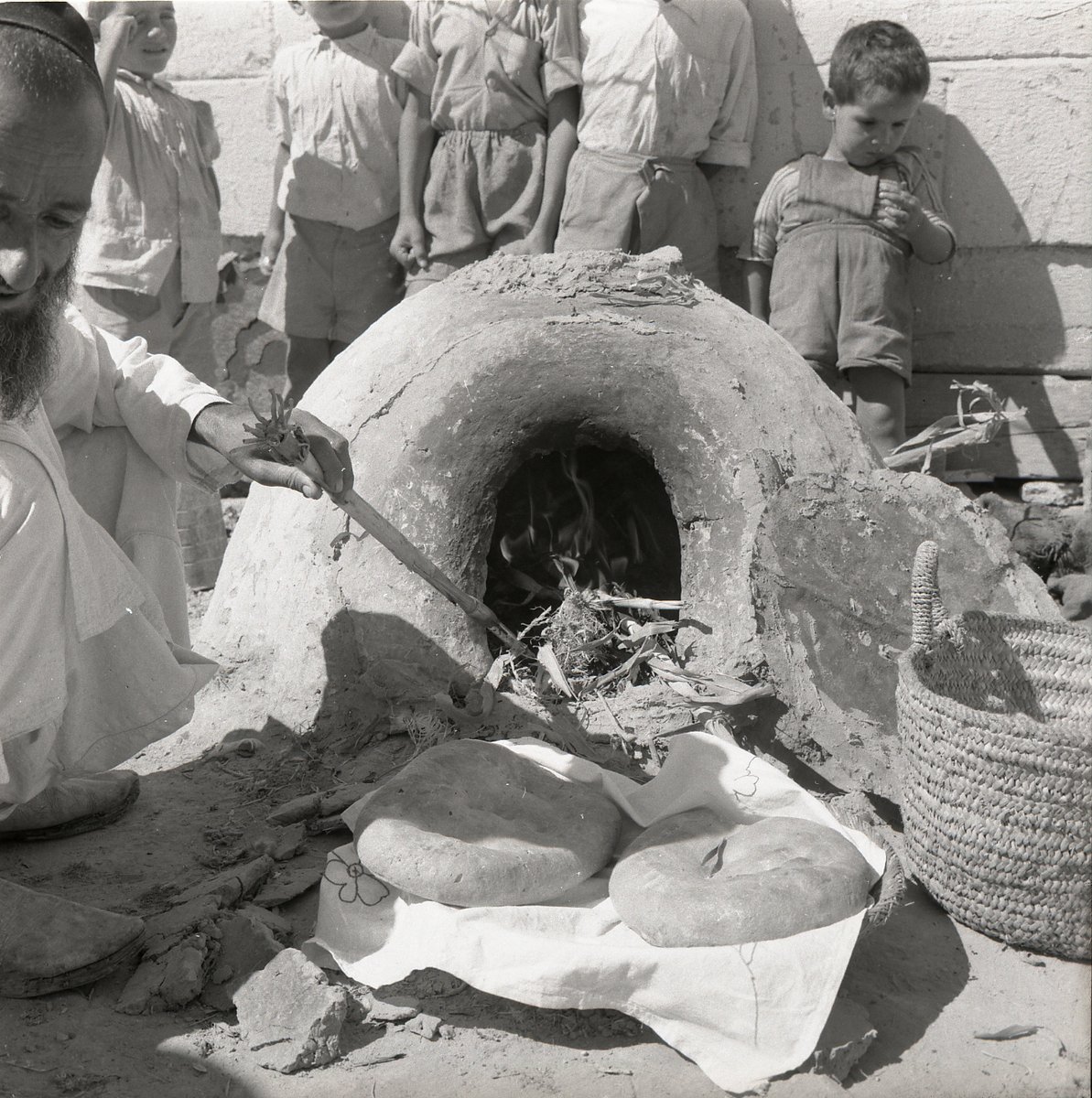
וְכָל-מִנְחָה, אֲשֶׁר תֵּאָפֶה בַּתַּנּוּר, וְכָל-נַעֲשָׂה בַמַּרְחֶשֶׁת, וְעַל-מַחֲבַת--לַכֹּהֵן הַמַּקְרִיב אֹתָהּ, לוֹ תִהְיֶה.
And every
grain-offering that is baked in the oven, and all that is prepared in a pan or on a griddle, shall belong to the priest who offers it.
noteY toda
ofrenda de grano que se cueza en el horno, y toda la que se prepare en la sartén o en la plancha, será del sacerdote que la ofrezca.
10
וְכָל-מִנְחָה בְלוּלָה-בַשֶּׁמֶן, וַחֲרֵבָה--לְכָל-בְּנֵי אַהֲרֹן תִּהְיֶה, אִישׁ כְּאָחִיו. {פ}
And every grain-offering, mixed with oil or dry, shall belong to all the sons of
Aaron alike.
{פ}noteY toda ofrenda de grano, mezclada con aceite o seca, será de todos los hijos de Aarón por igual. {פ}
11
וְזֹאת תּוֹרַת, זֶבַח הַשְּׁלָמִים, אֲשֶׁר יַקְרִיב, לַיהוָה.
Y esta es la ley del sacrificio de
ofrendas de paz, que se ofrece a Jehová.
12
אִם עַל-תּוֹדָה, יַקְרִיבֶנּוּ--וְהִקְרִיב עַל-זֶבַח הַתּוֹדָה חַלּוֹת מַצּוֹת בְּלוּלֹת בַּשֶּׁמֶן, וּרְקִיקֵי מַצּוֹת מְשֻׁחִים בַּשָּׁמֶן; וְסֹלֶת מֻרְבֶּכֶת, חַלֹּת בְּלוּלֹת בַּשָּׁמֶן.
If he offers it for
thanksgiving, then he shall offer with the sacrifice of thanksgiving unleavened cakes mixed with oil, and unleavened wafers spread with oil, and cakes of fine flour well-soaked, mixed with oil.
noteSi la ofrece en
acción de gracias, entonces ofrecerá con el sacrificio de acción de gracias tortas sin levadura mezcladas con aceite, obleas sin levadura untadas con aceite, y tortas de flor de harina bien empapada, mezcladas con aceite.
13
עַל-חַלֹּת לֶחֶם חָמֵץ, יַקְרִיב קָרְבָּנוֹ, עַל-זֶבַח, תּוֹדַת שְׁלָמָיו.
With cakes of leavened bread he shall present his offering, together with the sacrifice of his peace-offerings for thanksgiving.
noteCon tortas de pan leudado presentará su ofrenda, junto con el sacrificio de sus ofrendas de paz por acción de gracias.
14
וְהִקְרִיב מִמֶּנּוּ אֶחָד מִכָּל-קָרְבָּן, תְּרוּמָה לַיהוָה; לַכֹּהֵן, הַזֹּרֵק אֶת-דַּם הַשְּׁלָמִים--לוֹ יִהְיֶה.
And from it he shall present one out of each offering as a
contribution to Jehovah; it shall belong to the priest who dashes the blood of the peace-offerings against the altar.
noteY de ella presentará uno de cada ofrenda como
contribución a Jehová; será del sacerdote que rocía la sangre de las ofrendas de paz.
15
וּבְשַׂר, זֶבַח תּוֹדַת שְׁלָמָיו--בְּיוֹם קָרְבָּנוֹ, יֵאָכֵל: לֹא-יַנִּיחַ מִמֶּנּוּ, עַד-בֹּקֶר.
And the flesh of the sacrifice of his peace-offerings for thanksgiving shall be eaten on the day of his offering; he shall leave none of it until morning.
noteY la carne del sacrificio de sus ofrendas de paz por acción de gracias se comerá el día de su ofrenda; no dejará nada de ella hasta la mañana.
16
וְאִם-נֶדֶר אוֹ נְדָבָה, זֶבַח קָרְבָּנוֹ--בְּיוֹם הַקְרִיבוֹ אֶת-זִבְחוֹ, יֵאָכֵל; וּמִמָּחֳרָת, וְהַנּוֹתָר מִמֶּנּוּ יֵאָכֵל.
But if the sacrifice of his offering is a vow or a freewill-offering, it shall be eaten on the day that he offers his sacrifice; and what remains of it may be eaten on the next day.
notePero si el sacrificio de su ofrenda es voto u ofrenda voluntaria, se comerá el día que ofrezca su sacrificio; y lo que quede de ella podrá comerse al día siguiente.
17
וְהַנּוֹתָר, מִבְּשַׂר הַזָּבַח--בַּיּוֹם, הַשְּׁלִישִׁי, בָּאֵשׁ, יִשָּׂרֵף.
But what remains of the flesh of the sacrifice on the third day shall be burned with fire.
notePero lo que quede de la carne del sacrificio hasta el tercer día, se quemará con fuego.
18
וְאִם הֵאָכֹל יֵאָכֵל מִבְּשַׂר-זֶבַח שְׁלָמָיו בַּיּוֹם הַשְּׁלִישִׁי, לֹא יֵרָצֶה--הַמַּקְרִיב אֹתוֹ לֹא יֵחָשֵׁב לוֹ, פִּגּוּל יִהְיֶה; וְהַנֶּפֶשׁ הָאֹכֶלֶת מִמֶּנּוּ, עֲוֺנָהּ תִּשָּׂא.
And if any of the flesh of the sacrifice of his peace-offerings is eaten at all on the third day, it shall not be accepted, it shall not be credited to the one who offered it; it shall be
tainted meat, and the soul that eats of it shall bear its guilt.
noteY si se come algo de la carne del sacrificio de sus ofrendas de paz al tercer día, no será aceptada, ni se le acreditará al que la ofreció; será
carne corrompida, y el alma que coma de ella cargará su culpa.
19
וְהַבָּשָׂר אֲשֶׁר-יִגַּע בְּכָל-טָמֵא, לֹא יֵאָכֵל--בָּאֵשׁ, יִשָּׂרֵף; וְהַבָּשָׂר--כָּל-טָהוֹר, יֹאכַל בָּשָׂר.
And the flesh that touches anything unclean shall not be eaten; it shall be burned with fire. As for the flesh, everyone who is clean may eat flesh.
noteY la carne que toque cualquier cosa impura no se comerá; se quemará con fuego. En cuanto a la carne, todo el que esté limpio podrá comer carne.
20
וְהַנֶּפֶשׁ אֲשֶׁר-תֹּאכַל בָּשָׂר, מִזֶּבַח הַשְּׁלָמִים אֲשֶׁר לַיהוָה, וְטֻמְאָתוֹ, עָלָיו--וְנִכְרְתָה הַנֶּפֶשׁ הַהִוא, מֵעַמֶּיהָ.
But the soul that eats flesh from the sacrifice of peace-offerings that belong to Jehovah, while its uncleanness is on it, that soul shall be
cut off from his people.
notePero el alma que coma carne del sacrificio de las ofrendas de paz que pertenecen a Jehová, teniendo su impureza sobre sí, esa alma será
cortada de su pueblo.
21
וְנֶפֶשׁ כִּי-תִגַּע בְּכָל-טָמֵא, בְּטֻמְאַת אָדָם אוֹ בִּבְהֵמָה טְמֵאָה אוֹ בְּכָל-שֶׁקֶץ טָמֵא, וְאָכַל מִבְּשַׂר-זֶבַח הַשְּׁלָמִים, אֲשֶׁר לַיהוָה--וְנִכְרְתָה הַנֶּפֶשׁ הַהִוא, מֵעַמֶּיהָ. {פ}
And if a soul touches anything unclean — human uncleanness, or an unclean animal, or any unclean detestable thing — and eats flesh from the sacrifice of peace-offerings that belong to Jehovah, that soul shall be cut off from his people.
{פ}noteY si un alma toca cualquier cosa impura —impureza humana, o un animal impuro, o cualquier cosa detestable impura— y come carne del sacrificio de las ofrendas de paz que pertenecen a Jehová, esa persona será cortada de su pueblo. {פ}
22
וַיְדַבֵּר יְהוָה, אֶל-מֹשֶׁה לֵּאמֹר.
Y Jehová habló a Moisés, diciendo,
23
דַּבֵּר אֶל-בְּנֵי יִשְׂרָאֵל, לֵאמֹר: כָּל-חֵלֶב שׁוֹר וְכֶשֶׂב, וָעֵז--לֹא תֹאכֵלוּ.
Speak to the children of Israel, saying: You shall eat no fat, of ox, or sheep, or goat.
noteHabla a los hijos de Israel, diciendo: Ninguna grasa de buey, ni de cordero, ni de cabra comeréis.
24
וְחֵלֶב נְבֵלָה וְחֵלֶב טְרֵפָה, יֵעָשֶׂה לְכָל-מְלָאכָה; וְאָכֹל, לֹא תֹאכְלֻהוּ.
And the fat of an animal that dies of itself, and the fat of one torn by wild beasts, may be used for any other purpose, but you shall not eat it at all.
noteY la grasa de un animal que muera por sí solo, y la grasa de uno despedazado por fieras, podrá usarse para cualquier otro fin; pero no la comeréis en absoluto.
25
כִּי, כָּל-אֹכֵל חֵלֶב, מִן-הַבְּהֵמָה, אֲשֶׁר יַקְרִיב מִמֶּנָּה אִשֶּׁה לַיהוָה--וְנִכְרְתָה הַנֶּפֶשׁ הָאֹכֶלֶת, מֵעַמֶּיהָ.
For whoever eats the fat of an animal from which an offering made by fire is presented to Jehovah, the soul that eats it shall be cut off from his people.
notePorque cualquiera que coma grasa del animal del cual se presenta ofrenda encendida a Jehová, el alma que la coma será cortada de su pueblo.
26
וְכָל-דָּם לֹא תֹאכְלוּ, בְּכֹל מוֹשְׁבֹתֵיכֶם, לָעוֹף, וְלַבְּהֵמָה.
And you shall eat no blood at all, whether of bird or of animal, in any of your dwellings.
noteY ninguna sangre comeréis, sea de ave o de animal, en ninguna de vuestras moradas.
27
כָּל-נֶפֶשׁ, אֲשֶׁר-תֹּאכַל כָּל-דָּם--וְנִכְרְתָה הַנֶּפֶשׁ הַהִוא, מֵעַמֶּיהָ.
Every soul that eats any blood — that soul shall be cut off from his people.
noteToda alma que coma sangre —esa alma será cortada de su pueblo.
28
וַיְדַבֵּר יְהוָה, אֶל-מֹשֶׁה לֵּאמֹר.
And Jehovah spoke to Moses, saying,
noteY Jehová habló a Moisés, diciendo,
29
דַּבֵּר אֶל-בְּנֵי יִשְׂרָאֵל, לֵאמֹר: הַמַּקְרִיב אֶת-זֶבַח שְׁלָמָיו, לַיהוָה--יָבִיא אֶת-קָרְבָּנוֹ לַיהוָה, מִזֶּבַח שְׁלָמָיו.
Speak to the children of Israel, saying: The one who offers his sacrifice of peace-offerings to Jehovah shall bring his offering to Jehovah out of his sacrifice of peace-offerings.
noteHabla a los hijos de Israel, diciendo: El que ofrezca su sacrificio de ofrendas de paz a Jehová, traerá su ofrenda a Jehová de su sacrificio de ofrendas de paz.
30
יָדָיו תְּבִיאֶינָה, אֵת אִשֵּׁי יְהוָה; אֶת-הַחֵלֶב עַל-הֶחָזֶה, יְבִיאֶנּוּ--אֵת הֶחָזֶה לְהָנִיף אֹתוֹ תְּנוּפָה, לִפְנֵי יְהוָה.
His own hands shall bring the offerings of Jehovah made by fire: the fat together with the breast he shall bring, the breast to
wave as a wave-offering before Jehovah.
noteSus propias manos traerán las ofrendas de Jehová encendidas: traerá la grasa junto con el pecho, el pecho para
mecerlo como ofrenda mecida delante de Jehová.
31
וְהִקְטִיר הַכֹּהֵן אֶת-הַחֵלֶב, הַמִּזְבֵּחָה; וְהָיָה, הֶחָזֶה, לְאַהֲרֹן, וּלְבָנָיו.
And the priest shall turn the fat into smoke on the altar, but the breast shall belong to Aaron and his sons.
noteY el sacerdote hará arder la grasa en el altar; pero el pecho será de Aarón y de sus hijos.
32
וְאֵת שׁוֹק הַיָּמִין, תִּתְּנוּ תְרוּמָה לַכֹּהֵן, מִזִּבְחֵי, שַׁלְמֵיכֶם.
And the right thigh you shall give to the priest as a contribution out of your sacrifices of peace-offerings.
noteY el muslo derecho daréis al sacerdote como contribución de vuestros sacrificios de ofrendas de paz.
33
הַמַּקְרִיב אֶת-דַּם הַשְּׁלָמִים, וְאֶת-הַחֵלֶב--מִבְּנֵי אַהֲרֹן: לוֹ תִהְיֶה שׁוֹק הַיָּמִין, לְמָנָה.
Whoever among the sons of Aaron offers the blood of the peace-offerings and the fat, to him shall belong the right thigh as his portion.
noteCualquiera de los hijos de Aarón que ofrezca la sangre de las ofrendas de paz y la grasa, tendrá el muslo derecho como su porción.
34
כִּי אֶת-חֲזֵה הַתְּנוּפָה וְאֵת שׁוֹק הַתְּרוּמָה, לָקַחְתִּי מֵאֵת בְּנֵי-יִשְׂרָאֵל, מִזִּבְחֵי, שַׁלְמֵיהֶם; וָאֶתֵּן אֹתָם לְאַהֲרֹן הַכֹּהֵן וּלְבָנָיו, לְחָק-עוֹלָם, מֵאֵת, בְּנֵי יִשְׂרָאֵל.
For the breast that is waved and the thigh that is contributed I have taken from the children of Israel, from their sacrifices of peace-offerings, and have given them to Aaron the priest and to his sons, as a perpetual due from the children of Israel.
notePorque el pecho mecido y el muslo de contribución los he tomado de los hijos de Israel, de sus sacrificios de ofrendas de paz, y se los he dado a Aarón el sacerdote y a sus hijos, como derecho perpetuo de los hijos de Israel.
35
זֹאת מִשְׁחַת אַהֲרֹן וּמִשְׁחַת בָּנָיו, מֵאִשֵּׁי יְהוָה, בְּיוֹם הִקְרִיב אֹתָם, לְכַהֵן לַיהוָה.
This is the anointed-portion of Aaron and the anointed-portion of his sons, from the offerings of Jehovah made by fire, on the day he presented them to serve as priests to Jehovah,
noteEsta es la porción ungida de Aarón y la porción ungida de sus hijos, de las ofrendas de Jehová encendidas, el día que los presentó para servir como sacerdotes a Jehová,
36
אֲשֶׁר צִוָּה יְהוָה לָתֵת לָהֶם, בְּיוֹם מָשְׁחוֹ אֹתָם, מֵאֵת, בְּנֵי יִשְׂרָאֵל--חֻקַּת עוֹלָם, לְדֹרֹתָם.
which Jehovah commanded to be given them, on the day he anointed them, from the children of Israel — a perpetual statute throughout their generations.
notelo cual Jehová mandó que se les diera, el día que los ungió, de parte de los hijos de Israel —estatuto perpetuo por sus generaciones.
37
זֹאת הַתּוֹרָה, לָעֹלָה לַמִּנְחָה, וְלַחַטָּאת, וְלָאָשָׁם; וְלַמִּלּוּאִים--וּלְזֶבַח, הַשְּׁלָמִים.
This is the law of the burnt-offering, the grain-offering, the sin-offering, and the guilt-offering, and of the consecration-offering, and the sacrifice of peace-offerings,
noteEsta es la ley del holocausto, de la ofrenda de grano, de la ofrenda por el pecado, y de la ofrenda por la culpa, y de la ofrenda de consagración, y del sacrificio de ofrendas de paz,
38
אֲשֶׁר צִוָּה יְהוָה אֶת-מֹשֶׁה, בְּהַר סִינָי: בְּיוֹם צַוֺּתוֹ אֶת-בְּנֵי יִשְׂרָאֵל, לְהַקְרִיב אֶת-קָרְבְּנֵיהֶם לַיהוָה--בְּמִדְבַּר סִינָי. {פ}
which Jehovah commanded Moses on Mount Sinai, on the day he commanded the children of Israel to present their offerings to Jehovah, in the wilderness of Sinai.
{פ}notela cual Jehová mandó a Moisés en el monte Sinaí, el día que mandó a los hijos de Israel que presentaran sus ofrendas a Jehová, en el desierto de Sinaí. {פ}
The skin, the stew-pot, and the small print of who gets what
The guilt-offering law repeats, almost verbatim, the sin-offering’s own blood rite from Leviticus 4 — same place at the altar, same fat portions burned, same ‘most holy’ standing — and then says so outright: ‘there is ONE law for them’ (v7). What this chapter actually adds is not ritual but ECONOMICS: the officiating priest personally keeps the meat (v6), the hide of every burnt-offering he handles (v8), and the whole of any grain-offering he prepares (v9–10) — a running account of exactly which priest is paid from which sacrifice, spelled out nowhere else this precisely.
⚠ Verse 8’s hide-rule is easy to read past, but it is a real, separate piece of priestly income: the skin of EVERY burnt-offering, however large the animal, belongs entirely to the priest who offered it — on top of, not instead of, his other portions. Leather from a bull’s worth of burnt-offerings was not a small perquisite in an economy without much else to tan.
Three reasons to bring the same sacrifice, and three different clocks
The peace-offering splits into three occasions that share one ritual but not one deadline: THANKSGIVING (v12–15), for something already received, must be eaten the very day it is offered, nothing left until morning; a VOW or FREEWILL-offering (v16–17) gets an extra day, eaten that day or the next. The thanksgiving offering alone comes with leavened bread as well as unleavened (v13) — the one place in the sacrificial system where ordinary, everyday bread is deliberately allowed onto the altar precinct, because this offering is closest to an ordinary meal shared in gratitude, not a formal presentation.
⚠ Verse 18 names what happens to meat eaten too late with a single technical word, piggul: not simply spoiled food, but an offering retroactively made WORTHLESS — not accepted, not credited to the one who brought it, as if it had never been offered at all. The chapter treats lateness as more than bad hygiene: a peace-offering has a narrow window in which it is actually functioning as an offering, and outside that window the meat reverts to being just meat, and unclean meat carries real consequence for the eater (v19–21). This translation's ‘tainted meat’ sits closer to ESV’s ‘tainted’ than to KJV’s more traditional ‘an abomination’ — the older word has drifted too far toward moral horror for what is, here, a purely procedural failure.
The one rule aimed at everyone, not just the altar
After three straight sections addressed to the priests, this one turns outward: ‘speak to the CHILDREN OF ISRAEL’ (v23) — no fat, no blood, ever, full stop, ‘in any of your dwellings’ (v26), not just at the sanctuary. The fat prohibited here is specifically the fat OFFERED to Jehovah (the same portions detailed in Leviticus 3 and this chapter’s own opening) — fat from an animal that died naturally or was killed by a predator is explicitly permitted for other uses (v24), so this is not a blanket dietary law against all animal fat, but a claim on the specific fat that belongs on the altar.
⚠ Both prohibitions carry the same penalty, repeated four times across six verses: cut off from his people (v20, v21, v25, v27). That repetition is itself the point — unlike the graduated, offering-based atonement system of Leviticus 4–6, eating fat or blood has no offering that fixes it. The text simply names the consequence and moves on.
The two portions no offerer ever sees again
Every peace-offering permanently taxes two specific cuts for the priesthood: the breast, waved before Jehovah and then eaten by any priest’s family (v31, compare Leviticus 10:14–15, already on these pages); and the right thigh, a contribution claimed specifically by the priest who performed the blood rite (v32–33). Two different gestures for two different portions — one waved toward the altar and back, one simply set aside — and the chapter is explicit that this is not a one-time gift but a permanent tax on every future peace-offering: ‘a perpetual due from the children of Israel’ (v34).
⚠ Verse 30’s instruction that ‘his own hands shall bring’ the offering is oddly specific — the OFFERER, not the priest, personally carries the fat and breast forward. Every other transfer of an offering in this book happens at the priest’s hands; here, for one moment, the person who brought the animal is required to be the one who physically delivers its most valuable cuts, before the priest ever touches them.
Where the whole offering-law section closes — and the one item on its own list not yet explained
Verses 37–38 are a formal colophon, closing not just this chapter but the entire seven-chapter block that opened at Leviticus 1: ‘this is the law’ of six named offerings, commanded at Sinai, on the day Israel was first told to bring them. Burnt-offering, grain-offering, sin-offering, and guilt-offering have each had a full chapter; the peace-offering has had two (Leviticus 3 and this one).
⚠ But the list names a SIXTH offering this section never actually legislates: the millu'im, the ‘consecration-offering’ or ordination-offering (v37) — the same word behind the idiom this project has already met at Exodus 29, ‘filling the hand’ (see the Dictionary). No law for it appears anywhere in Leviticus 1–7; it is only ever NARRATED, in the ordination ceremony of Leviticus 8 (already on these pages), which finally carries out in full what Exodus 29 already commanded. The colophon reaches one chapter ahead of itself — naming an offering whose only law is the story of the one time it was actually performed.
Notes on this translation
Decisions. Hebrew and English Leviticus 7 both run 1–38 — no versification split this time, unlike Leviticus 5–6. ‘Contribution’ is kept for terumah (v14, v32, v34) over the older shelf’s more literal but stranger-sounding ‘heave offering’ (KJV, ASV) — see the Dictionary for the word’s own range, from tabernacle-building donations to this chapter’s priestly due. ‘Tainted meat’ is kept for piggul (v18), matching this translation’s own choice already established at Leviticus 19:7 — see the Dictionary. Every {פ} in this chapter is a petuchah, an OPEN paragraph space — all three (v10, v21, v38) close a fully self-contained unit: the guilt-offering law, the peace-offering law, and the whole seven-chapter section itself.
⚠ A note on order: Leviticus stands complete on these pages, chapters 1–27.