1
וַיְדַבֵּר יְהוָה, אֶל-מֹשֶׁה לֵּאמֹר.
Y Jehová habló a Moisés, diciendo,
2
צַו אֶת-אַהֲרֹן וְאֶת-בָּנָיו לֵאמֹר, זֹאת תּוֹרַת הָעֹלָה: הִוא הָעֹלָה עַל מוֹקְדָה עַל-הַמִּזְבֵּחַ כָּל-הַלַּיְלָה, עַד-הַבֹּקֶר, וְאֵשׁ הַמִּזְבֵּחַ, תּוּקַד בּוֹ.
Command
Aaron and his sons, saying: This is the
law of the
burnt-offering: it is what stays on the hearth, on the altar, all night until morning, and the fire of the altar shall be kept burning by it.
noteManda a Aarón y a sus hijos, diciendo: Esta es la ley del holocausto: es lo que permanece sobre el hogar, sobre el altar, toda la noche hasta la mañana, y el fuego del altar arderá continuamente por medio de él.
3
וְלָבַשׁ הַכֹּהֵן מִדּוֹ בַד, וּמִכְנְסֵי-בַד יִלְבַּשׁ עַל-בְּשָׂרוֹ, וְהֵרִים אֶת-הַדֶּשֶׁן אֲשֶׁר תֹּאכַל הָאֵשׁ אֶת-הָעֹלָה, עַל-הַמִּזְבֵּחַ; וְשָׂמוֹ, אֵצֶל הַמִּזְבֵּחַ.
And the priest shall put on his linen garment, and put linen breeches on his body, and take up the ashes to which the fire has reduced the burnt-offering on the altar, and put them beside the altar.
noteY el sacerdote se pondrá su vestidura de lino, y pondrá calzoncillos de lino sobre su cuerpo, y alzará la ceniza a la cual el fuego haya reducido el holocausto sobre el altar, y la pondrá junto al altar.
4
וּפָשַׁט, אֶת-בְּגָדָיו, וְלָבַשׁ, בְּגָדִים אֲחֵרִים; וְהוֹצִיא אֶת-הַדֶּשֶׁן אֶל-מִחוּץ לַמַּחֲנֶה, אֶל-מָקוֹם טָהוֹר.
And he shall take off his garments, and put on other garments, and carry the ashes outside the camp to a clean place.
noteY se quitará sus vestiduras, y se pondrá otras vestiduras, y sacará la ceniza fuera del campamento, a un lugar limpio.
5
וְהָאֵשׁ עַל-הַמִּזְבֵּחַ תּוּקַד-בּוֹ לֹא תִכְבֶּה, וּבִעֵר עָלֶיהָ הַכֹּהֵן עֵצִים בַּבֹּקֶר בַּבֹּקֶר; וְעָרַךְ עָלֶיהָ הָעֹלָה, וְהִקְטִיר עָלֶיהָ חֶלְבֵי הַשְּׁלָמִים.
And the fire on the altar shall be kept burning by it; it shall not go out. And the priest shall burn wood on it every morning, and arrange the burnt-offering on it, and turn into smoke on it the fat of the
peace-offerings.
noteY el fuego arderá continuamente sobre el altar; no se apagará. Y el sacerdote quemará leña sobre él cada mañana, y acomodará sobre él el holocausto, y hará arder sobre él la grasa de las
ofrendas de paz.
6
אֵשׁ, תָּמִיד תּוּקַד עַל-הַמִּזְבֵּחַ--לֹא תִכְבֶּה. {ס}
Fire shall be kept burning on the altar continually; it shall not go out.
{ס}noteFuego arderá sobre el altar continuamente; no se apagará. {ס}
7
וְזֹאת תּוֹרַת, הַמִּנְחָה: הַקְרֵב אֹתָהּ בְּנֵי-אַהֲרֹן לִפְנֵי יְהוָה, אֶל-פְּנֵי הַמִּזְבֵּחַ.
And this is the law of the
grain-offering: the sons of Aaron shall offer it before Jehovah, in front of the altar.
noteY esta es la ley de la
ofrenda de grano: los hijos de Aarón la ofrecerán delante de Jehová, delante del altar.
8
וְהֵרִים מִמֶּנּוּ בְּקֻמְצוֹ, מִסֹּלֶת הַמִּנְחָה וּמִשַּׁמְנָהּ, וְאֵת כָּל-הַלְּבֹנָה, אֲשֶׁר עַל-הַמִּנְחָה; וְהִקְטִיר הַמִּזְבֵּחַ, רֵיחַ נִיחֹחַ אַזְכָּרָתָהּ--לַיהוָה.
And he shall take up from it his handful, from the fine flour of the grain-offering and its oil, and all the frankincense that is on the grain-offering, and turn its
memorial-portion into smoke on the altar, a soothing aroma to Jehovah.
noteY tomará de ella su puñado, de la flor de harina de la ofrenda de grano y de su aceite, y todo el incienso que está sobre la ofrenda de grano, y hará arder su
porción memorial sobre el altar, aroma apacible a Jehová.
9
וְהַנּוֹתֶרֶת מִמֶּנָּה, יֹאכְלוּ אַהֲרֹן וּבָנָיו; מַצּוֹת תֵּאָכֵל בְּמָקוֹם קָדֹשׁ, בַּחֲצַר אֹהֶל-מוֹעֵד יֹאכְלוּהָ.
And what is left of it Aaron and his sons shall eat; it shall be eaten unleavened in a holy place, in the courtyard of the
tent of meeting they shall eat it.
noteY lo que quede de ella lo comerán Aarón y sus hijos; se comerá sin levadura en un lugar santo, en el atrio del tabernáculo de reunión lo comerán.
10
לֹא תֵאָפֶה חָמֵץ, חֶלְקָם נָתַתִּי אֹתָהּ מֵאִשָּׁי; קֹדֶשׁ קָדָשִׁים הִוא, כַּחַטָּאת וְכָאָשָׁם.
It shall not be baked with leaven. I have given it as their portion from my offerings made by fire; it is most holy, like the
sin-offering and the
guilt-offering.
note
11
כָּל-זָכָר בִּבְנֵי אַהֲרֹן, יֹאכְלֶנָּה--חָק-עוֹלָם לְדֹרֹתֵיכֶם, מֵאִשֵּׁי יְהוָה; כֹּל אֲשֶׁר-יִגַּע בָּהֶם, יִקְדָּשׁ. {פ}
Every male among the sons of Aaron may eat it, a perpetual statute throughout your generations, from the offerings of Jehovah made by fire; whatever touches them shall become holy.
{פ}noteTodo varón entre los hijos de Aarón podrá comerla, estatuto perpetuo por vuestras generaciones, de las ofrendas de Jehová encendidas; todo lo que las toque se hará santo. {פ}
12
וַיְדַבֵּר יְהוָה, אֶל-מֹשֶׁה לֵּאמֹר.
And Jehovah spoke to Moses, saying,
noteY Jehová habló a Moisés, diciendo,
13
זֶה קָרְבַּן אַהֲרֹן וּבָנָיו אֲשֶׁר-יַקְרִיבוּ לַיהוָה, בְּיוֹם הִמָּשַׁח אֹתוֹ--עֲשִׂירִת הָאֵפָה סֹלֶת מִנְחָה, תָּמִיד: מַחֲצִיתָהּ בַּבֹּקֶר, וּמַחֲצִיתָהּ בָּעָרֶב.
This is the offering of Aaron and his sons, which they shall offer to Jehovah on the day he is anointed: a tenth of an ephah of fine flour as a grain-offering, continually — half of it in the morning and half of it in the evening.
noteEsta es la ofrenda de Aarón y de sus hijos, que ofrecerán a Jehová el día en que sea ungido: la décima parte de un efa de flor de harina como ofrenda de grano, continuamente —la mitad de ella por la mañana, y la mitad de ella por la tarde.
14
עַל-מַחֲבַת, בַּשֶּׁמֶן תֵּעָשֶׂה--מֻרְבֶּכֶת תְּבִיאֶנָּה; תֻּפִינֵי מִנְחַת פִּתִּים, תַּקְרִיב רֵיחַ-נִיחֹחַ לַיהוָה.
On a griddle it shall be made with oil; well-soaked you shall bring it in; baked, broken into pieces, you shall offer the grain-offering, a soothing aroma to Jehovah.
noteSobre una plancha se hará con aceite; bien empapada la traerás; cocida, partida en pedazos, ofrecerás la ofrenda de grano, aroma apacible a Jehová.
15
וְהַכֹּהֵן הַמָּשִׁיחַ תַּחְתָּיו מִבָּנָיו, יַעֲשֶׂה אֹתָהּ; חָק-עוֹלָם, לַיהוָה כָּלִיל תָּקְטָר.
And the anointed priest who stands in his place from among his sons shall offer it. It is a perpetual statute: it shall be
entirely turned into smoke to Jehovah.
noteY el sacerdote ungido que esté en su lugar de entre sus hijos la ofrecerá. Es estatuto perpetuo: se hará arder
enteramente a Jehová.
16
וְכָל-מִנְחַת כֹּהֵן כָּלִיל תִּהְיֶה, לֹא תֵאָכֵל. {פ}
And every grain-offering of a priest shall be entirely burned; it shall not be eaten.
{פ}noteY toda ofrenda de grano de un sacerdote se quemará enteramente; no se comerá. {פ}
17
וַיְדַבֵּר יְהוָה, אֶל-מֹשֶׁה לֵּאמֹר.
And Jehovah spoke to Moses, saying,
noteY Jehová habló a Moisés, diciendo,
18
דַּבֵּר אֶל-אַהֲרֹן וְאֶל-בָּנָיו לֵאמֹר, זֹאת תּוֹרַת הַחַטָּאת: בִּמְקוֹם אֲשֶׁר תִּשָּׁחֵט הָעֹלָה תִּשָּׁחֵט הַחַטָּאת, לִפְנֵי יְהוָה--קֹדֶשׁ קָדָשִׁים, הִוא.
Speak to Aaron and his sons, saying: This is the law of the sin-offering: in the place where the burnt-offering is slaughtered, the sin-offering shall be slaughtered, before Jehovah; it is most holy.
noteHabla a Aarón y a sus hijos, diciendo: Esta es la ley de la ofrenda por el pecado: en el lugar donde se deguüella el holocausto, se degollará la ofrenda por el pecado, delante de Jehová; es santísima.
19
הַכֹּהֵן הַמְחַטֵּא אֹתָהּ, יֹאכְלֶנָּה; בְּמָקוֹם קָדֹשׁ תֵּאָכֵל, בַּחֲצַר אֹהֶל מוֹעֵד.
The priest who offers it for sin shall eat it; it shall be eaten in a holy place, in the courtyard of the tent of meeting.
noteEl sacerdote que la ofrece por el pecado la comerá; se comerá en un lugar santo, en el atrio del tabernáculo de reunión.
20
כֹּל אֲשֶׁר-יִגַּע בִּבְשָׂרָהּ, יִקְדָּשׁ; וַאֲשֶׁר יִזֶּה מִדָּמָהּ, עַל-הַבֶּגֶד--אֲשֶׁר יִזֶּה עָלֶיהָ, תְּכַבֵּס בְּמָקוֹם קָדֹשׁ.
Whatever touches its flesh shall become holy; and when any of its blood spatters on a garment, you shall wash what it spattered on in a holy place.
noteTodo lo que toque su carne se hará santo; y cuando algo de su sangre salpique sobre una vestidura, lavarás aquello sobre lo cual haya salpicado, en un lugar santo.
21
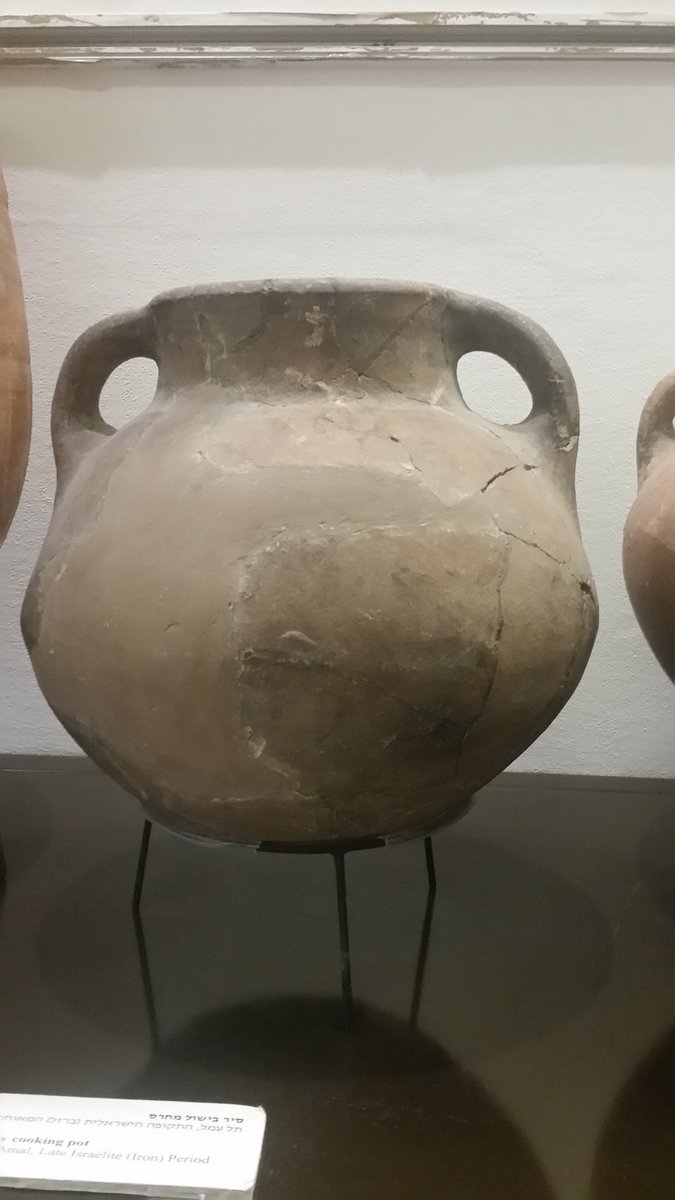
וּכְלִי-חֶרֶשׂ אֲשֶׁר תְּבֻשַּׁל-בּוֹ, יִשָּׁבֵר; וְאִם-בִּכְלִי נְחֹשֶׁת בֻּשָּׁלָה, וּמֹרַק וְשֻׁטַּף בַּמָּיִם.
And the earthen vessel in which it is boiled shall be broken; but if it is boiled in a bronze vessel, that shall be scoured and rinsed with water.
noteY la vasija de barro en que sea cocida se quebrará; pero si es cocida en vasija de bronce, esta será fregada y enjuagada con agua.
22
כָּל-זָכָר בַּכֹּהֲנִים, יֹאכַל אֹתָהּ; קֹדֶשׁ קָדָשִׁים, הִוא.
Every male among the priests may eat it; it is most holy.
noteTodo varón entre los sacerdotes podrá comerla; es santísima.
23
וְכָל-חַטָּאת אֲשֶׁר יוּבָא מִדָּמָהּ אֶל-אֹהֶל מוֹעֵד, לְכַפֵּר בַּקֹּדֶשׁ--לֹא תֵאָכֵל; בָּאֵשׁ, תִּשָּׂרֵף. {פ}
And no sin-offering, any of whose blood is brought into the tent of meeting to make atonement in the holy place, shall be eaten; it shall be burned with fire.
{פ}noteY ninguna ofrenda por el pecado de cuya sangre se traiga al tabernáculo de reunión para hacer expiación en el lugar santo, se comerá; será quemada con fuego. {פ}
The same chapter, continued — and the audience just changed
This is the second half of Hebrew Leviticus 5–6, picking up exactly where the versification note at Leviticus 5 promised: Hebrew chapter 6 begins at English Leviticus 6:8. English Bibles split Hebrew 5:20–26 off as their own ‘6:1–7’, so this chapter’s 23 verses correspond to English 6:8–30 — a reader cross-checking KJV, ESV, or NIV should expect every citation here to land seven verses higher in their own Bible.
⚠ Just as important as the versification: the ADDRESSEE has changed. Leviticus 1–5 spoke to any Israelite bringing an offering (‘when anyone of you brings an offering’, 1:2). This chapter opens ‘command AARON AND HIS SONS’ (v2) and stays there for the rest of the unit — three times over, a formula repeats: ‘this is the law of’ the burnt-offering (v2), the grain-offering (v7), the sin-offering (v18), each addressed to the priests who run the altar, not the worshippers who approach it. The same offerings, described a second time, from the other side of the smoke.
The fire that is never allowed to go out
Verse 6 closes the burnt-offering law on a flat, absolute command: fire shall burn on the altar continually; it shall not go out. This is a DIFFERENT perpetual institution from the lampstand’s own ner tamid (Exodus 27:20–21, already on these pages) — that lamp burned ‘from evening to morning’, a defined night-shift; this fire is never supposed to go out at all, every day, indefinitely. Two distinct ‘tamid’ commands run through the tabernacle’s daily operation, one for light and one for flame, and this chapter is careful to give the fire its own separate, even more absolute wording.
⚠ The grain-offering law that follows (v7–11) fixes something Leviticus 2 left open: who actually eats the priests’ share, and under what restriction. Unleavened, in a holy place, in the courtyard — every condition here narrows what Leviticus 2 only implied. And the closing line is stark: ‘whatever touches them shall become holy’ (v11) — holiness here is not a quality inside the food a person could be careless with; it is treated as something that can spread outward, by contact, onto whatever it touches next.
The one offering a priest can never eat — because it is his own
Every other grain-offering in this book is split: a memorial handful burned, the rest eaten by the priests as food (Leviticus 2, 6:9–11 above). But when the offering is the ANOINTED PRIEST’S OWN — brought daily, morning and evening, starting the day he is ordained (v13) — the logic breaks down: there is no one else to eat it FOR him, and he cannot eat his own offering as if he were both giver and receiver at once. So it is entirely burned instead (v15–16), the one grain-offering in the whole system with no eaten portion at all — solving by ELIMINATION a conflict none of the laity’s own offerings ever created.
⚠ Verse 14’s cooking instructions contain a real, acknowledged crux: the word this translation renders ‘well-soaked’ (murbekhet) occurs ONLY here in the entire Hebrew Bible, and no other biblical context exists to confirm its precise meaning. Scalded, soaked, well-mixed, and fried have all been proposed by different translators; every version on this shelf is making an educated guess at a word nobody can cross-check.
Why a clay pot gets smashed and a bronze one just gets scrubbed
The sin-offering’s own law closes the chapter with the same holiness-by-contact rule already stated for the grain-offering (v20), but now worked out in uncomfortable physical detail: an earthen pot the meat was boiled in must be BROKEN, while a bronze pot only needs to be scoured and rinsed (v21). The distinction is genuinely practical, not arbitrary — ancient unglazed earthenware is porous and will have absorbed fat and residue no washing can fully remove, where bronze has a sealed, scrubbable surface. Holiness here behaves almost like a physical contaminant: whatever can be cleaned stays in service, whatever cannot is destroyed rather than risked.
⚠ Verse 19 calls the officiating priest ha-kohen ha-mechateh, literally ‘the priest who SIN-OFFERS it’ — the same root as chattat used here as a rare denominative verb, a noun turned into an action. And the chapter’s very last line supplies the rule that Leviticus 4’s own cases were already following without ever stating it outright: any sin-offering whose blood is carried INTO the tent of meeting may never be eaten — it must be burned (v23), which is exactly why the anointed priest’s and the whole congregation’s sin-offerings at Leviticus 4:12 and 4:21 (already on these pages) were burned outside the camp rather than eaten. That chapter showed the exception in practice; this one finally states it as the rule.
Notes on this translation
Decisions. This chapter is Hebrew Leviticus 6 in full (1–23), corresponding to English 6:8–30 — see the note at v1–6 for the versification split inherited from Leviticus 5. ‘Law’ is kept for torah in its narrow technical sense (‘this is the law of’, v2, v7, v18), the same word behind the name of the whole Pentateuch used here for one ritual’s own instruction — see the Dictionary. ‘Entirely’ is kept for kalil (v15, v16) rather than a more archaic ‘wholly’, to keep the emphasis plain in contemporary English. Every {ס} and {פ} in this chapter is reproduced exactly as the Masoretic text marks it — {ס}, setumah, a CLOSED paragraph space (v6); {פ}, petuchah, an OPEN one (v11, v16, v23) — each break falling at the close of one of the chapter’s four addressed units.
⚠ A note on order: Leviticus stands complete on these pages, chapters 1–27.