1
וַיְדַבֵּר יְהוָה, אֶל-מֹשֶׁה לֵּאמֹר.
Y Jehová habló a Moisés, diciendo,
2
דַּבֵּר אֶל-בְּנֵי יִשְׂרָאֵל לֵאמֹר, נֶפֶשׁ כִּי-תֶחֱטָא בִשְׁגָגָה, מִכֹּל מִצְוֹת יְהוָה, אֲשֶׁר לֹא תֵעָשֶׂינָה; וְעָשָׂה, מֵאַחַת מֵהֵנָּה.
Speak to the children of Israel, saying: If a soul sins
through error, doing any of the things Jehovah has commanded not to be done, and does one of them —
noteHabla a los hijos de Israel, diciendo: Si un alma peca
por error, haciendo alguna de las cosas que Jehová ha mandado no hacer, y hace una de ellas —
3
אִם הַכֹּהֵן הַמָּשִׁיחַ יֶחֱטָא, לְאַשְׁמַת הָעָם--וְהִקְרִיב עַל חַטָּאתוֹ אֲשֶׁר חָטָא, פַּר בֶּן-בָּקָר תָּמִים לַיהוָה--לְחַטָּאת.
if the anointed priest sins so as to bring guilt on the people, then let him offer for his sin, which he has sinned, a young bull without blemish to Jehovah for a
sin-offering.
notesi el sacerdote ungido peca de manera que trae culpa sobre el pueblo, entonces ofrecerá por su pecado, el cual cometió, un novillo sin defecto a Jehová para
ofrenda por el pecado.
4
וְהֵבִיא אֶת-הַפָּר, אֶל-פֶּתַח אֹהֶל מוֹעֵד--לִפְנֵי יְהוָה; וְסָמַךְ אֶת-יָדוֹ, עַל-רֹאשׁ הַפָּר, וְשָׁחַט אֶת-הַפָּר, לִפְנֵי יְהוָה.
And he shall bring the bull to the door of the
tent of meeting before Jehovah, and lay his hand on the head of the bull, and slaughter the bull before Jehovah.
noteY traerá el novillo a la puerta del tabernáculo de reunión, delante de Jehová, y pondrá su mano sobre la cabeza del novillo, y degollará el novillo delante de Jehová.
5
וְלָקַח הַכֹּהֵן הַמָּשִׁיחַ, מִדַּם הַפָּר; וְהֵבִיא אֹתוֹ, אֶל-אֹהֶל מוֹעֵד.
And the anointed priest shall take of the blood of the bull, and bring it to the tent of meeting.
noteY el sacerdote ungido tomará de la sangre del novillo, y la llevará al tabernáculo de reunión.
6
וְטָבַל הַכֹּהֵן אֶת-אֶצְבָּעוֹ, בַּדָּם; וְהִזָּה מִן-הַדָּם שֶׁבַע פְּעָמִים לִפְנֵי יְהוָה, אֶת-פְּנֵי פָּרֹכֶת הַקֹּדֶשׁ.
And the priest shall dip his finger in the blood, and sprinkle some of the blood seven times before Jehovah, in front of the veil of the sanctuary.
noteY el sacerdote mojará su dedo en la sangre, y rociará de la sangre siete veces delante de Jehová, delante del velo del santuario.
7
וְנָתַן הַכֹּהֵן מִן-הַדָּם עַל-קַרְנוֹת מִזְבַּח קְטֹרֶת הַסַּמִּים לִפְנֵי יְהוָה, אֲשֶׁר בְּאֹהֶל מוֹעֵד, וְאֵת כָּל-דַּם הַפָּר, יִשְׁפֹּךְ אֶל-יְסוֹד מִזְבַּח הָעֹלָה, אֲשֶׁר-פֶּתַח אֹהֶל מוֹעֵד.
And the priest shall put some of the blood on the horns of the altar of sweet incense before Jehovah, which is in the tent of meeting; and all the rest of the blood of the bull he shall pour out at the base of the altar of burnt-offering, which is at the door of the tent of meeting.
noteY el sacerdote pondrá de la sangre sobre los cuernos del altar del incienso aromático delante de Jehová, que está en el tabernáculo de reunión; y derramará toda la sangre restante del novillo al pie del altar del holocausto, que está a la puerta del tabernáculo de reunión.
8
וְאֶת-כָּל-חֵלֶב פַּר הַחַטָּאת, יָרִים מִמֶּנּוּ: אֶת-הַחֵלֶב, הַמְכַסֶּה עַל-הַקֶּרֶב, וְאֵת כָּל-הַחֵלֶב, אֲשֶׁר עַל-הַקֶּרֶב.
And all the fat of the bull of the sin-offering he shall take off from it: the fat that covers the entrails, and all the fat that is on the entrails,
noteY toda la grasa del novillo de la ofrenda por el pecado la quitará de él: la grasa que cubre los intestinos, y toda la grasa que está sobre los intestinos,
9
וְאֵת שְׁתֵּי הַכְּלָיֹת וְאֶת-הַחֵלֶב אֲשֶׁר עֲלֵהֶן, אֲשֶׁר עַל-הַכְּסָלִים, וְאֶת-הַיֹּתֶרֶת עַל-הַכָּבֵד, עַל-הַכְּלָיוֹת יְסִירֶנָּה.
and the two kidneys, and the fat that is on them, which is by the loins, and the lobe on the liver, which he shall remove with the kidneys,
notey los dos riñones, y la grasa que está sobre ellos, la que está sobre los lomos, y el lóbulo del hígado, que quitará junto con los riñones,
10
כַּאֲשֶׁר יוּרַם, מִשּׁוֹר זֶבַח הַשְּׁלָמִים; וְהִקְטִירָם הַכֹּהֵן, עַל מִזְבַּח הָעֹלָה.
just as it is removed from the ox of the sacrifice of peace-offerings; and the priest shall turn them into smoke on the altar of burnt-offering.
notetal como se quita del buey del sacrificio de ofrendas de paz; y el sacerdote los hará arder en el altar del holocausto.
11
וְאֶת-עוֹר הַפָּר, וְאֶת-כָּל-בְּשָׂרוֹ, עַל-רֹאשׁוֹ, וְעַל-כְּרָעָיו; וְקִרְבּוֹ, וּפִרְשׁוֹ.
But the skin of the bull, and all its flesh, with its head and its legs, and its entrails and its dung —
notePero la piel del novillo, y toda su carne, con su cabeza y sus patas, y sus intestinos y su estiércol —
12
וְהוֹצִיא אֶת-כָּל-הַפָּר אֶל-מִחוּץ לַמַּחֲנֶה, אֶל-מָקוֹם טָהוֹר, אֶל-שֶׁפֶךְ הַדֶּשֶׁן, וְשָׂרַף אֹתוֹ עַל-עֵצִים בָּאֵשׁ: עַל-שֶׁפֶךְ הַדֶּשֶׁן, יִשָּׂרֵף. {פ}
the whole bull he shall carry outside the camp, to a clean place, where the ashes are poured out, and burn it on wood with fire; where the ashes are poured out, there it shall be burned.
{פ}noteel novillo entero lo llevará fuera del campamento, a un lugar limpio, donde se vierte la ceniza, y lo quemará con fuego sobre leña; donde se vierte la ceniza, allí será quemado. {פ}
13
וְאִם כָּל-עֲדַת יִשְׂרָאֵל יִשְׁגּוּ, וְנֶעְלַם דָּבָר מֵעֵינֵי הַקָּהָל, וְעָשׂוּ אַחַת מִכָּל-מִצְוֹת יְהוָה אֲשֶׁר לֹא-תֵעָשֶׂינָה, וְאָשֵׁמוּ.
And if the whole congregation of Israel errs, and the thing is hidden from the eyes of the assembly, and they do any of the things Jehovah has commanded not to be done, and are guilty —
noteY si toda la congregación de Israel yerra, y la cosa está oculta a los ojos de la asamblea, y hacen alguna de las cosas que Jehová ha mandado no hacer, y son culpables —
14
וְנוֹדְעָה, הַחַטָּאת אֲשֶׁר חָטְאוּ עָלֶיהָ--וְהִקְרִיבוּ הַקָּהָל פַּר בֶּן-בָּקָר לְחַטָּאת, וְהֵבִיאוּ אֹתוֹ, לִפְנֵי אֹהֶל מוֹעֵד.
when the sin they have sinned becomes known, the assembly shall offer a young bull for a sin-offering, and bring it before the tent of meeting.
notecuando se llegue a conocer el pecado que cometieron, la asamblea ofrecerá un novillo para ofrenda por el pecado, y lo traerán delante del tabernáculo de reunión.
15
וְסָמְכוּ זִקְנֵי הָעֵדָה אֶת-יְדֵיהֶם, עַל-רֹאשׁ הַפָּר--לִפְנֵי יְהוָה; וְשָׁחַט אֶת-הַפָּר, לִפְנֵי יְהוָה.
And the elders of the congregation shall lay their hands on the head of the bull before Jehovah, and the bull shall be slaughtered before Jehovah.
noteY los ancianos de la congregación pondrán sus manos sobre la cabeza del novillo delante de Jehová, y el novillo será degollado delante de Jehová.
16
וְהֵבִיא הַכֹּהֵן הַמָּשִׁיחַ, מִדַּם הַפָּר, אֶל-אֹהֶל, מוֹעֵד.
And the anointed priest shall bring some of the blood of the bull to the tent of meeting.
noteY el sacerdote ungido traerá de la sangre del novillo al tabernáculo de reunión.
17
וְטָבַל הַכֹּהֵן אֶצְבָּעוֹ, מִן-הַדָּם; וְהִזָּה שֶׁבַע פְּעָמִים, לִפְנֵי יְהוָה, אֵת, פְּנֵי הַפָּרֹכֶת.
And the priest shall dip his finger in the blood, and sprinkle it seven times before Jehovah, in front of the veil.
noteY el sacerdote mojará su dedo en la sangre, y la rociará siete veces delante de Jehová, delante del velo.
18
וּמִן-הַדָּם יִתֵּן עַל-קַרְנֹת הַמִּזְבֵּחַ אֲשֶׁר לִפְנֵי יְהוָה, אֲשֶׁר בְּאֹהֶל מוֹעֵד, וְאֵת כָּל-הַדָּם יִשְׁפֹּךְ, אֶל-יְסוֹד מִזְבַּח הָעֹלָה אֲשֶׁר-פֶּתַח אֹהֶל מוֹעֵד.
And he shall put some of the blood on the horns of the altar which is before Jehovah, that is in the tent of meeting, and all the rest of the blood he shall pour out at the base of the altar of burnt-offering, which is at the door of the tent of meeting.
noteY pondrá de la sangre sobre los cuernos del altar que está delante de Jehová, que está en el tabernáculo de reunión, y derramará toda la sangre restante al pie del altar del holocausto, que está a la puerta del tabernáculo de reunión.
19
וְאֵת כָּל-חֶלְבּוֹ, יָרִים מִמֶּנּוּ; וְהִקְטִיר, הַמִּזְבֵּחָה.
And all its fat he shall take off from it, and turn it into smoke on the altar.
noteY toda su grasa la quitará de él, y la hará arder en el altar.
20
וְעָשָׂה לַפָּר, כַּאֲשֶׁר עָשָׂה לְפַר הַחַטָּאת--כֵּן יַעֲשֶׂה-לּוֹ; וְכִפֶּר עֲלֵהֶם הַכֹּהֵן, וְנִסְלַח לָהֶם.
Thus he shall do with the bull; as he did with the bull of the sin-offering, so shall he do with this one; and the priest shall
make atonement for them, and they shall be forgiven.
noteAsí hará con el novillo; como hizo con el novillo de la ofrenda por el pecado, así hará con este; y el sacerdote hará expiación por ellos, y serán perdonados.
21
וְהוֹצִיא אֶת-הַפָּר, אֶל-מִחוּץ לַמַּחֲנֶה, וְשָׂרַף אֹתוֹ, כַּאֲשֶׁר שָׂרַף אֵת הַפָּר הָרִאשׁוֹן: חַטַּאת הַקָּהָל, הוּא. {פ}
And he shall carry the bull outside the camp, and burn it as he burned the first bull; it is the sin-offering for the assembly.
{פ}noteY llevará el novillo fuera del campamento, y lo quemará como quemó el primer novillo; es la ofrenda por el pecado de la asamblea. {פ}
22
אֲשֶׁר נָשִׂיא, יֶחֱטָא; וְעָשָׂה אַחַת מִכָּל-מִצְוֹת יְהוָה אֱלֹהָיו, אֲשֶׁר לֹא-תֵעָשֶׂינָה--בִּשְׁגָגָה, וְאָשֵׁם.
When a
ruler sins, and does any one of the things Jehovah his God has commanded not to be done, through error, and is guilty —
noteCuando un gobernante peca, y hace alguna de las cosas que Jehová su Dios ha mandado no hacer, por error, y es culpable —
23
אוֹ-הוֹדַע אֵלָיו חַטָּאתוֹ, אֲשֶׁר חָטָא בָּהּ--וְהֵבִיא אֶת-קָרְבָּנוֹ, שְׂעִיר עִזִּים זָכָר תָּמִים.
if his sin, which he has sinned, becomes known to him, he shall bring for his offering a goat, a male without blemish.
notesi su pecado, el que cometió, llega a conocerse, traerá como su ofrenda un macho cabrío sin defecto.
24
וְסָמַךְ יָדוֹ, עַל-רֹאשׁ הַשָּׂעִיר, וְשָׁחַט אֹתוֹ, בִּמְקוֹם אֲשֶׁר-יִשְׁחַט אֶת-הָעֹלָה לִפְנֵי יְהוָה: חַטָּאת, הוּא.
And he shall lay his hand on the head of the goat, and slaughter it in the place where they slaughter the burnt-offering before Jehovah; it is a sin-offering.
noteY pondrá su mano sobre la cabeza del macho cabrío, y lo degollará en el lugar donde degüellan el holocausto delante de Jehová; es ofrenda por el pecado.
25
וְלָקַח הַכֹּהֵן מִדַּם הַחַטָּאת בְּאֶצְבָּעוֹ, וְנָתַן עַל-קַרְנֹת מִזְבַּח הָעֹלָה; וְאֶת-דָּמוֹ יִשְׁפֹּךְ, אֶל-יְסוֹד מִזְבַּח הָעֹלָה.
And the priest shall take some of the blood of the sin-offering with his finger, and put it on the horns of the altar of burnt-offering, and pour out the rest of its blood at the base of the altar of burnt-offering.
noteY el sacerdote tomará con su dedo de la sangre de la ofrenda por el pecado, y la pondrá sobre los cuernos del altar del holocausto, y derramará el resto de su sangre al pie del altar del holocausto.
26
וְאֶת-כָּל-חֶלְבּוֹ יַקְטִיר הַמִּזְבֵּחָה, כְּחֵלֶב זֶבַח הַשְּׁלָמִים; וְכִפֶּר עָלָיו הַכֹּהֵן מֵחַטָּאתוֹ, וְנִסְלַח לוֹ. {פ}
And all its fat he shall turn into smoke on the altar, like the fat of the sacrifice of peace-offerings; and the priest shall make atonement for him concerning his sin, and he shall be forgiven.
{פ}noteY toda su grasa la hará arder en el altar, como la grasa del sacrificio de ofrendas de paz; y el sacerdote hará expiación por él a causa de su pecado, y será perdonado. {פ}
27
וְאִם-נֶפֶשׁ אַחַת תֶּחֱטָא בִשְׁגָגָה, מֵעַם הָאָרֶץ--בַּעֲשֹׂתָהּ אַחַת מִמִּצְוֹת יְהוָה, אֲשֶׁר לֹא-תֵעָשֶׂינָה--וְאָשֵׁם.
And if one soul of the people of the land sins through error, doing any of the things Jehovah has commanded not to be done, and is guilty —
noteY si un alma del pueblo de la tierra peca por error, haciendo alguna de las cosas que Jehová ha mandado no hacer, y es culpable —
28
אוֹ הוֹדַע אֵלָיו, חַטָּאתוֹ אֲשֶׁר חָטָא--וְהֵבִיא קָרְבָּנוֹ, שְׂעִירַת עִזִּים תְּמִימָה נְקֵבָה, עַל-חַטָּאתוֹ, אֲשֶׁר חָטָא.
if his sin, which he has sinned, becomes known to him, then he shall bring for his offering a female goat without blemish, for his sin which he has sinned.
notesi su pecado, el que cometió, llega a conocerse, entonces traerá como su ofrenda una cabra hembra sin defecto, por su pecado que cometió.
29
וְסָמַךְ, אֶת-יָדוֹ, עַל, רֹאשׁ הַחַטָּאת; וְשָׁחַט אֶת-הַחַטָּאת, בִּמְקוֹם הָעֹלָה.
And he shall lay his hand on the head of the sin-offering, and slaughter the sin-offering in the place of the burnt-offering.
noteY pondrá su mano sobre la cabeza de la ofrenda por el pecado, y degollará la ofrenda por el pecado en el lugar del holocausto.
30
וְלָקַח הַכֹּהֵן מִדָּמָהּ בְּאֶצְבָּעוֹ, וְנָתַן עַל-קַרְנֹת מִזְבַּח הָעֹלָה, וְאֶת-כָּל-דָּמָהּ יִשְׁפֹּךְ, אֶל-יְסוֹד הַמִּזְבֵּחַ.
And the priest shall take some of its blood with his finger, and put it on the horns of the altar of burnt-offering, and pour out all the rest of its blood at the base of the altar.
noteY el sacerdote tomará con su dedo de su sangre, y la pondrá sobre los cuernos del altar del holocausto, y derramará toda su sangre restante al pie del altar.
31
וְאֶת-כָּל-חֶלְבָּהּ יָסִיר, כַּאֲשֶׁר הוּסַר חֵלֶב מֵעַל זֶבַח הַשְּׁלָמִים, וְהִקְטִיר הַכֹּהֵן, הַמִּזְבֵּחָה--לְרֵיחַ נִיחֹחַ, לַיהוָה; וְכִפֶּר עָלָיו הַכֹּהֵן, וְנִסְלַח לוֹ. {פ}
And all its fat he shall remove, just as the fat is removed from off the sacrifice of peace-offerings, and the priest shall turn it into smoke on the altar for a soothing aroma to Jehovah; and the priest shall make atonement for him, and he shall be forgiven.
{פ}noteY le quitará toda su grasa, tal como se quita la grasa del sacrificio de ofrendas de paz, y el sacerdote la hará arder en el altar como aroma apacible a Jehová; y el sacerdote hará expiación por él, y será perdonado. {פ}
32
וְאִם-כֶּבֶשׂ יָבִיא קָרְבָּנוֹ, לְחַטָּאת--נְקֵבָה תְמִימָה, יְבִיאֶנָּה.
And if he brings a lamb as his offering for a sin-offering, he shall bring it a female without blemish.
noteY si trae un cordero como su ofrenda para ofrenda por el pecado, traerá una hembra sin defecto.
33
וְסָמַךְ אֶת-יָדוֹ, עַל רֹאשׁ הַחַטָּאת; וְשָׁחַט אֹתָהּ לְחַטָּאת, בִּמְקוֹם אֲשֶׁר יִשְׁחַט אֶת-הָעֹלָה.
And he shall lay his hand on the head of the sin-offering, and slaughter it for a sin-offering in the place where they slaughter the burnt-offering.
noteY pondrá su mano sobre la cabeza de la ofrenda por el pecado, y la degollará para ofrenda por el pecado en el lugar donde degüellan el holocausto.
34
וְלָקַח הַכֹּהֵן מִדַּם הַחַטָּאת בְּאֶצְבָּעוֹ, וְנָתַן עַל-קַרְנֹת מִזְבַּח הָעֹלָה, וְאֶת-כָּל-דָּמָהּ יִשְׁפֹּךְ, אֶל-יְסוֹד הַמִּזְבֵּחַ.
And the priest shall take some of the blood of the sin-offering with his finger, and put it on the horns of the altar of burnt-offering, and pour out all the rest of its blood at the base of the altar.
noteY el sacerdote tomará con su dedo de la sangre de la ofrenda por el pecado, y la pondrá sobre los cuernos del altar del holocausto, y derramará toda su sangre restante al pie del altar.
35
וְאֶת-כָּל-חֶלְבָּהּ יָסִיר, כַּאֲשֶׁר יוּסַר חֵלֶב-הַכֶּשֶׂב מִזֶּבַח הַשְּׁלָמִים, וְהִקְטִיר הַכֹּהֵן אֹתָם הַמִּזְבֵּחָה, עַל אִשֵּׁי יְהוָה; וְכִפֶּר עָלָיו הַכֹּהֵן עַל-חַטָּאתוֹ אֲשֶׁר-חָטָא, וְנִסְלַח לוֹ. {פ}
And all its fat he shall remove, just as the fat of the lamb is removed from the sacrifice of peace-offerings, and the priest shall turn them into smoke on the altar, upon the offerings of Jehovah made by fire; and the priest shall make atonement for him concerning his sin which he has sinned, and he shall be forgiven.
{פ}noteY le quitará toda su grasa, tal como se quita la grasa del cordero del sacrificio de ofrendas de paz, y el sacerdote los hará arder en el altar, sobre las ofrendas encendidas a Jehová; y el sacerdote hará expiación por él a causa de su pecado que cometió, y será perdonado. {פ}
The offering with a live theological argument built into its own name
Chattat is the standard shelf translation ‘sin-offering’, but the name itself is disputed. Jacob Milgrom, the offering’s most influential modern interpreter, argued for ‘purification offering’ instead — the same sacrifice is required not only for moral sin here, but for ritual impurity with no wrongdoing attached at all: a woman recovering from childbirth (Leviticus 12:6, already on these pages) brings a chattat, and she has sinned against no one. ⚠ Even NIV, which keeps ‘sin offering’ in its main text, flags ‘purification offering’ as an alternative in its own footnote. Critics of the change note the whole point may be the wordplay this chapter leans on — chattat and chata, ‘to sin’, share a root, and flattening that link into a purely ritual term can lose the very connection the Hebrew is making. This translation keeps ‘sin-offering’ but flags the live disagreement.
The whole system this chapter builds is bounded by one word: shegagah, ‘through error’. Nothing here applies to a sin committed knowingly and defiantly. That different case — sinning ‘with a high hand’ — gets no offering at all: ‘that person shall be utterly cut off’ (Numbers 15:30-31, now on these pages). The sacrificial system atones for genuine mistakes, not for rebellion worn openly.
The blood that goes where only the high priest may follow it, and the body no one may keep
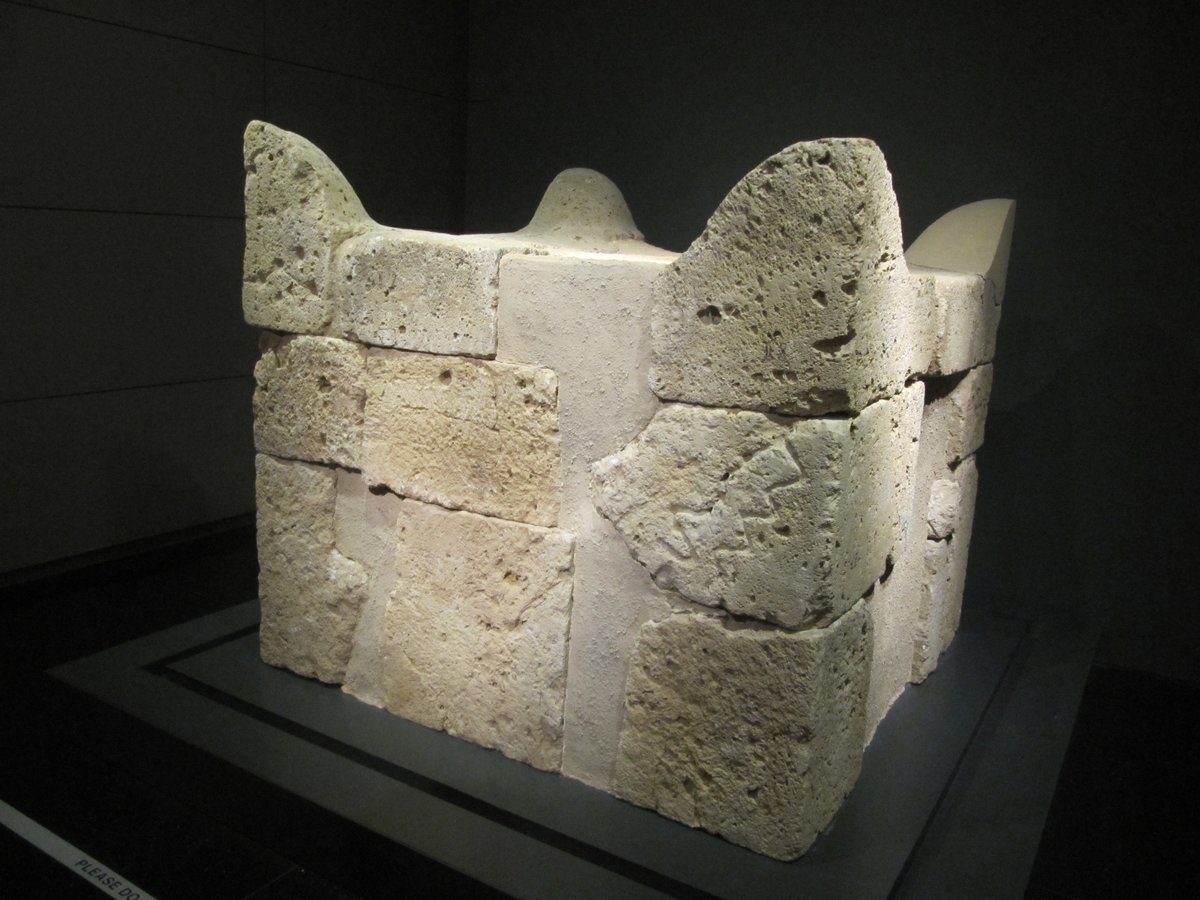
The priest’s own sin, and the whole congregation’s (v13-21), share a blood rite the two lesser cases below never receive: sprinkled seven times before the veil of the sanctuary, then placed on the horns of the INCENSE altar, standing inside the tent of meeting itself (v6-7, v17-18) — not the outer bronze altar every other offering in this book has used so far. When the anointed priest or the nation as a whole sins, even by mistake, the contamination is read as reaching into the sanctuary’s own interior, and only blood carried that far can answer it.
⚠ And for these same two cases only, the animal’s body is carried outside the camp entirely and burned — never eaten, not even by the priests (v11-12, v21). A sacrifice ordinarily became food (see Leviticus 3’s note on the peace-offering); this one, once its blood has entered the Holy Place, is too charged with what it has carried to be eaten at all. Fifteen centuries later, a New Testament letter reads this detail as a pattern rather than an accident: ‘the bodies of the animals whose blood is brought into the sanctuary by the high priest as an offering for sin are burned outside the camp’ — and draws the line to Jesus directly, ‘who suffered outside the gate, to sanctify the people with his own blood’ (Hebrews 13:11-12, not yet on these pages).
Two lesser cases, one altar, and the refrain that seals every one of them
A ruler’s sin (v22-26) and a commoner’s (v27-35) drop the elevated blood rite entirely — the priest places blood only on the horns of the outer, bronze altar of burnt-offering, the same altar every other sacrifice in this book already uses. Neither case sends the body outside the camp either; by implication, what remains becomes food, the way the peace-offering’s meat does. The chapter’s structure runs downward in rank — anointed priest, whole congregation, ruler, ordinary person — and the blood rite scales down to match: the higher the office, the deeper the sin reaches into the sanctuary.
⚠ The animal required tightens too, but not in a straight line: a ruler brings a MALE goat (v23), a commoner a FEMALE goat — or, if that is a hardship, a female lamb instead (v28, v32), the same either-or accommodation Leviticus 1’s burnt-offering law already made for the poor. And every one of the four cases, regardless of rank or animal, ends on the identical two words: ve-nislach lo, ‘and he shall be forgiven’. The ritual detail changes with who sinned; the outcome, deliberately, never does.
Notes on this translation
Decisions. ‘Sin-offering’ is kept for chattat against Milgrom’s ‘purification offering’ — see the note above for the case both ways; this translation follows the whole core shelf (KJV, ASV, ESV, NIV main text) rather than the newer scholarly convention. ‘Ruler’ is kept for nasi (v22) rather than ‘prince’ (the older shelf’s term, which now reads as a birth title rather than an office) — see the Dictionary. Every {פ} in this chapter is a petuchah, an OPEN paragraph break, marking the seam after each of the four graduated cases (v12, v21, v26, v35). Verse numbering follows the Hebrew exactly; Hebrew and English Leviticus 4 both run 1–35.
⚠ A note on order: Leviticus stands complete on these pages, chapters 1–27.