1
וְעָשָׂה בְצַלְאֵל וְאָהֳלִיאָב וְכֹל אִישׁ חֲכַם-לֵב, אֲשֶׁר נָתַן יְהוָה חָכְמָה וּתְבוּנָה בָּהֵמָּה, לָדַעַת לַעֲשֹׂת, אֶת-כָּל-מְלֶאכֶת עֲבֹדַת הַקֹּדֶשׁ--לְכֹל אֲשֶׁר-צִוָּה, יְהוָה.
And Bezalel and Oholiab shall work, and every man who is wise of heart, in whom
Jehovah has put wisdom and understanding to know how to do all the work for the service of the sanctuary, according to all that Jehovah has commanded.
noteY Bezalel y Aholiab trabajarán, y todo hombre sabio de corazón, en quien Jehová puso sabiduría e inteligencia para saber cómo hacer toda la obra para el servicio del santuario, conforme a todo lo que Jehová ha mandado.
2
וַיִּקְרָא מֹשֶׁה, אֶל-בְּצַלְאֵל וְאֶל-אָהֳלִיאָב, וְאֶל כָּל-אִישׁ חֲכַם-לֵב, אֲשֶׁר נָתַן יְהוָה חָכְמָה בְּלִבּוֹ--כֹּל אֲשֶׁר נְשָׂאוֹ לִבּוֹ, לְקָרְבָה אֶל-הַמְּלָאכָה לַעֲשֹׂת אֹתָהּ.
And
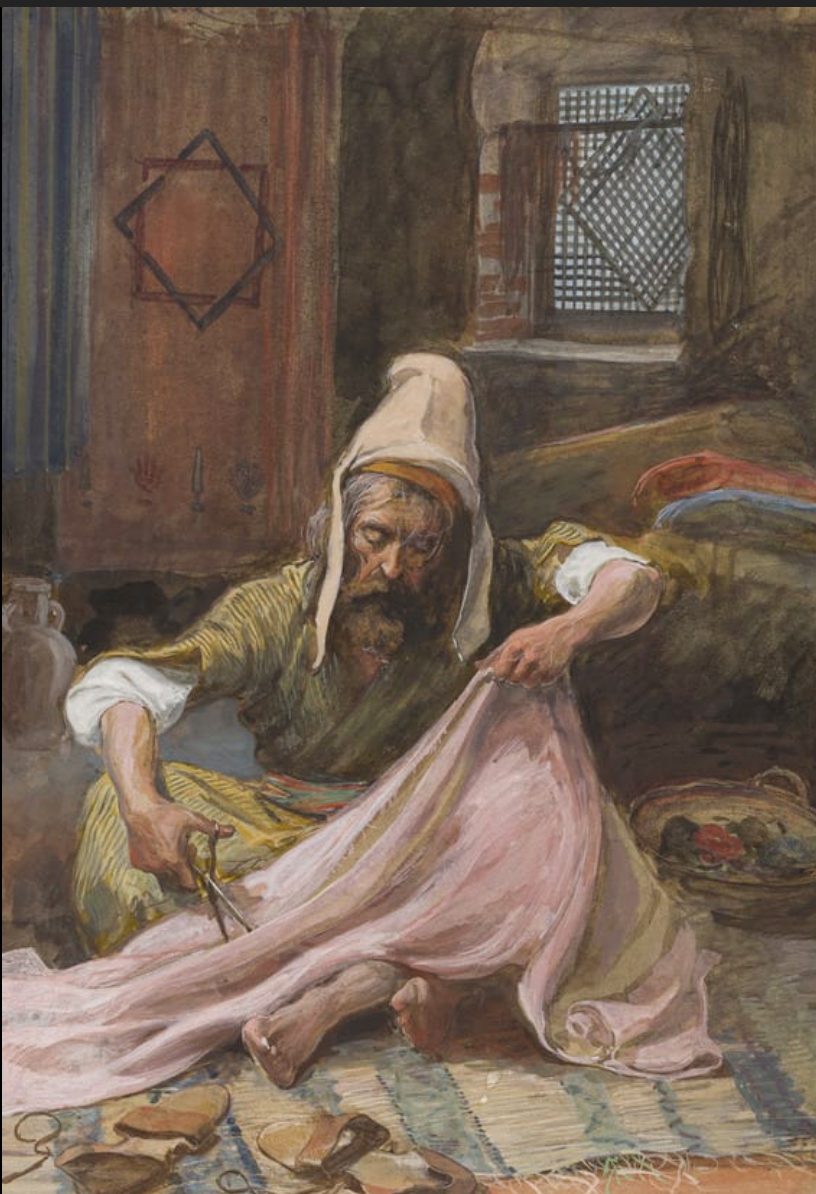
Moses called Bezalel and Oholiab, and every man who was wise of heart, in whose heart Jehovah had put wisdom, everyone whose heart stirred him to come to the work to do it.
noteY Moisés llamó a Bezalel y a Aholiab, y a todo hombre sabio de corazón, en cuyo corazón Jehová había puesto sabiduría, a todo aquel cuyo corazón lo impulsó a venir a la obra para hacerla.
3
וַיִּקְחוּ מִלִּפְנֵי מֹשֶׁה, אֵת כָּל-הַתְּרוּמָה אֲשֶׁר הֵבִיאוּ בְּנֵי יִשְׂרָאֵל לִמְלֶאכֶת עֲבֹדַת הַקֹּדֶשׁ--לַעֲשֹׂת אֹתָהּ; וְהֵם הֵבִיאוּ אֵלָיו עוֹד, נְדָבָה--בַּבֹּקֶר בַּבֹּקֶר.
And they received from Moses all the contribution that the children of Israel had brought for the work of the service of the sanctuary, to make it. And they still brought him freewill offerings every morning.
noteY recibieron de Moisés toda la contribución que los hijos de Israel habían traído para la obra del servicio del santuario, para hacerla. Y todavía le traían ofrendas voluntarias cada mañana.
4
וַיָּבֹאוּ, כָּל-הַחֲכָמִים, הָעֹשִׂים, אֵת כָּל-מְלֶאכֶת הַקֹּדֶשׁ--אִישׁ-אִישׁ מִמְּלַאכְתּוֹ, אֲשֶׁר-הֵמָּה עֹשִׂים.
And all the wise men who were doing all the work of the sanctuary came, each from the work he was doing,
noteY todos los sabios que hacían toda la obra del santuario vinieron, cada uno de la obra que hacía,
5
וַיֹּאמְרוּ אֶל-מֹשֶׁה לֵּאמֹר, מַרְבִּים הָעָם לְהָבִיא, מִדֵּי הָעֲבֹדָה לַמְּלָאכָה, אֲשֶׁר-צִוָּה יְהוָה לַעֲשֹׂת אֹתָהּ.
and said to Moses: The people are bringing much more than enough for the service of the work that Jehovah commanded to be done.
notey dijeron a Moisés: El pueblo trae mucho más de lo suficiente para el servicio de la obra que Jehová mandó hacer.
6
וַיְצַו מֹשֶׁה, וַיַּעֲבִירוּ קוֹל בַּמַּחֲנֶה לֵאמֹר, אִישׁ וְאִשָּׁה אַל-יַעֲשׂוּ-עוֹד מְלָאכָה, לִתְרוּמַת הַקֹּדֶשׁ; וַיִּכָּלֵא הָעָם, מֵהָבִיא.
And Moses gave a command, and they proclaimed it throughout the camp, saying: Let neither man nor woman make anything more for the contribution of the sanctuary. So the people were restrained from bringing.
noteY Moisés dio orden, y lo proclamaron por todo el campamento, diciendo: Ni hombre ni mujer haga ya más obra para la contribución del santuario. Así se refrenó al pueblo de traer.
7
וְהַמְּלָאכָה, הָיְתָה דַיָּם לְכָל-הַמְּלָאכָה--לַעֲשׂוֹת אֹתָהּ; וְהוֹתֵר. {ס}
For the material they had was sufficient for all the work to be done, and more than enough.
{ס}notePorque el material que tenían era suficiente para toda la obra que había de hacerse, y sobraba. {ס}
8
וַיַּעֲשׂוּ כָל-חֲכַם-לֵב בְּעֹשֵׂי הַמְּלָאכָה, אֶת-הַמִּשְׁכָּן--עֶשֶׂר יְרִיעֹת: שֵׁשׁ מָשְׁזָר, וּתְכֵלֶת וְאַרְגָּמָן וְתוֹלַעַת שָׁנִי--כְּרֻבִים מַעֲשֵׂה חֹשֵׁב, עָשָׂה אֹתָם.
And every man among them who was wise of heart, who was doing the work, made the tabernacle with ten curtains, of fine twined linen, and blue, and purple, and scarlet yarn; with cherubim, the
work of a skilled designer, he made them.
noteY todo hombre sabio de corazón entre ellos, que hacía la obra, hizo el tabernáculo con diez cortinas, de lino fino torcido, y azul, y púrpura, y grana; con querubines,
obra de un diseñador hábil, las hizo.
9
אֹרֶךְ הַיְרִיעָה הָאַחַת, שְׁמֹנֶה וְעֶשְׂרִים בָּאַמָּה, וְרֹחַב אַרְבַּע בָּאַמָּה, הַיְרִיעָה הָאֶחָת: מִדָּה אַחַת, לְכָל-הַיְרִיעֹת.
The length of each curtain was twenty-eight cubits, and the breadth of each curtain four cubits; all the curtains had one measure.
noteLa longitud de cada cortina era de veintiocho codos, y la anchura de cada cortina de cuatro codos; todas las cortinas tenían una misma medida.
10
וַיְחַבֵּר אֶת-חֲמֵשׁ הַיְרִיעֹת, אַחַת אֶל-אֶחָת; וְחָמֵשׁ יְרִיעֹת חִבַּר, אַחַת אֶל-אֶחָת.
And he coupled five curtains to one another, and the other five curtains he coupled to one another.
noteY acopló cinco cortinas la una con la otra, y las otras cinco cortinas las acopló la una con la otra.
11
וַיַּעַשׂ לֻלְאֹת תְּכֵלֶת, עַל שְׂפַת הַיְרִיעָה הָאֶחָת, מִקָּצָה, בַּמַּחְבָּרֶת; כֵּן עָשָׂה, בִּשְׂפַת הַיְרִיעָה, הַקִּיצוֹנָה, בַּמַּחְבֶּרֶת הַשֵּׁנִית.
And he made loops of blue on the edge of the outermost curtain in the first set; likewise he made loops on the edge of the outermost curtain in the second set.
noteE hizo lazadas de azul en el borde de la cortina exterior del primer conjunto; asimismo hizo en el borde de la cortina exterior del segundo conjunto.
12
חֲמִשִּׁים לֻלָאֹת, עָשָׂה בַּיְרִיעָה הָאֶחָת, וַחֲמִשִּׁים לֻלָאֹת עָשָׂה בִּקְצֵה הַיְרִיעָה, אֲשֶׁר בַּמַּחְבֶּרֶת הַשֵּׁנִית: מַקְבִּילֹת, הַלֻּלָאֹת--אַחַת, אֶל-אֶחָת.
Fifty loops he made on the one curtain, and fifty loops he made on the edge of the curtain that was in the second set; the loops were opposite one another.
noteCincuenta lazadas hizo en la una cortina, y cincuenta lazadas hizo en el borde de la cortina que estaba en el segundo conjunto; las lazadas estaban opuestas la una a la otra.
13
וַיַּעַשׂ, חֲמִשִּׁים קַרְסֵי זָהָב; וַיְחַבֵּר אֶת-הַיְרִיעֹת אַחַת אֶל-אַחַת, בַּקְּרָסִים, וַיְהִי הַמִּשְׁכָּן, אֶחָד. {פ}
And he made fifty clasps of gold, and coupled the curtains to one another with the clasps, so that the tabernacle was one whole.
{פ}noteE hizo cincuenta broches de oro, y acopló las cortinas la una con la otra con los broches; así el tabernáculo fue uno solo. {פ}
14
וַיַּעַשׂ יְרִיעֹת עִזִּים, לְאֹהֶל עַל-הַמִּשְׁכָּן: עַשְׁתֵּי-עֶשְׂרֵה יְרִיעֹת, עָשָׂה אֹתָם.
And he made curtains of goat hair for a tent over the tabernacle; eleven curtains he made.
noteY hizo cortinas de pelo de cabra para una tienda sobre el tabernáculo; once cortinas hizo.
15
אֹרֶךְ הַיְרִיעָה הָאַחַת, שְׁלֹשִׁים בָּאַמָּה, וְאַרְבַּע אַמּוֹת, רֹחַב הַיְרִיעָה הָאֶחָת: מִדָּה אַחַת, לְעַשְׁתֵּי עֶשְׂרֵה יְרִיעֹת.
The length of each curtain was thirty cubits, and four cubits the breadth of each curtain; the eleven curtains had one measure.
noteLa longitud de cada cortina era de treinta codos, y cuatro codos la anchura de cada cortina; las once cortinas tenían una misma medida.
16
וַיְחַבֵּר אֶת-חֲמֵשׁ הַיְרִיעֹת, לְבָד; וְאֶת-שֵׁשׁ הַיְרִיעֹת, לְבָד.
And he coupled five curtains by themselves, and six curtains by themselves.
noteY acopló cinco cortinas aparte, y seis cortinas aparte.
17
וַיַּעַשׂ לֻלָאֹת חֲמִשִּׁים, עַל שְׂפַת הַיְרִיעָה, הַקִּיצֹנָה, בַּמַּחְבָּרֶת; וַחֲמִשִּׁים לֻלָאֹת, עָשָׂה עַל-שְׂפַת הַיְרִיעָה, הַחֹבֶרֶת, הַשֵּׁנִית.
And he made fifty loops on the edge of the outermost curtain in the first set, and fifty loops he made on the edge of the curtain in the second set.
noteE hizo cincuenta lazadas en el borde de la cortina exterior del primer conjunto, y cincuenta lazadas hizo en el borde de la cortina del segundo conjunto.
18
וַיַּעַשׂ קַרְסֵי נְחֹשֶׁת, חֲמִשִּׁים, לְחַבֵּר אֶת-הָאֹהֶל, לִהְיֹת אֶחָד.
And he made fifty clasps of bronze to couple the tent together, so that it was one whole.
noteE hizo cincuenta broches de bronce para acoplar la tienda, para que fuera una sola.
19
וַיַּעַשׂ מִכְסֶה לָאֹהֶל, עֹרֹת אֵילִם מְאָדָּמִים, וּמִכְסֵה עֹרֹת תְּחָשִׁים, מִלְמָעְלָה. {ס}
And he made a covering for the tent of rams’ skins dyed red, and a covering of
tachash skins above.
{ס}noteE hizo para la tienda una cubierta de pieles de carnero teñidas de rojo, y una cubierta de pieles de
tachash encima.
{ס}
20
וַיַּעַשׂ אֶת-הַקְּרָשִׁים, לַמִּשְׁכָּן, עֲצֵי שִׁטִּים, עֹמְדִים.
And he made the
boards for the tabernacle of acacia wood, standing upright.
noteY hizo las
tablas para el tabernáculo de madera de acacia, puestas de pie.
21
עֶשֶׂר אַמֹּת, אֹרֶךְ הַקָּרֶשׁ; וְאַמָּה וַחֲצִי הָאַמָּה, רֹחַב הַקֶּרֶשׁ הָאֶחָד.
Ten cubits was the length of a board, and a cubit and a half the breadth of each board.
noteDiez codos era la longitud de una tabla, y un codo y medio la anchura de cada tabla.
22
שְׁתֵּי יָדֹת, לַקֶּרֶשׁ הָאֶחָד, מְשֻׁלָּבֹת, אַחַת אֶל-אֶחָת; כֵּן עָשָׂה, לְכֹל קַרְשֵׁי הַמִּשְׁכָּן.
Each board had two tenons, joined to one another; so he made all the boards of the tabernacle.
noteCada tabla tenía dos espigas, unidas la una con la otra; así hizo con todas las tablas del tabernáculo.
23
וַיַּעַשׂ אֶת-הַקְּרָשִׁים, לַמִּשְׁכָּן: עֶשְׂרִים קְרָשִׁים, לִפְאַת נֶגֶב תֵּימָנָה.
And he made the boards for the tabernacle: twenty boards for the south side, southward.
noteY hizo las tablas para el tabernáculo: veinte tablas para el lado sur, hacia el sur.
24
וְאַרְבָּעִים, אַדְנֵי-כֶסֶף--עָשָׂה, תַּחַת עֶשְׂרִים הַקְּרָשִׁים: שְׁנֵי אֲדָנִים תַּחַת-הַקֶּרֶשׁ הָאֶחָד, לִשְׁתֵּי יְדֹתָיו, וּשְׁנֵי אֲדָנִים תַּחַת-הַקֶּרֶשׁ הָאֶחָד, לִשְׁתֵּי יְדֹתָיו.
And he made forty sockets of silver under the twenty boards, two sockets under one board for its two tenons, and two sockets under another board for its two tenons.
noteY bajo las veinte tablas hizo cuarenta basas de plata, dos basas bajo una tabla para sus dos espigas, y dos basas bajo otra tabla para sus dos espigas.
25
וּלְצֶלַע הַמִּשְׁכָּן הַשֵּׁנִית, לִפְאַת צָפוֹן, עָשָׂה, עֶשְׂרִים קְרָשִׁים.
And for the second side of the tabernacle, on the north side, he made twenty boards,
noteY para el segundo lado del tabernáculo, el lado norte, hizo veinte tablas,
26
וְאַרְבָּעִים אַדְנֵיהֶם, כָּסֶף--שְׁנֵי אֲדָנִים, תַּחַת הַקֶּרֶשׁ הָאֶחָד, וּשְׁנֵי אֲדָנִים, תַּחַת הַקֶּרֶשׁ הָאֶחָד.
and their forty sockets of silver, two sockets under one board, and two sockets under another board.
notey sus cuarenta basas de plata, dos basas bajo una tabla, y dos basas bajo otra tabla.
27
וּלְיַרְכְּתֵי הַמִּשְׁכָּן, יָמָּה, עָשָׂה, שִׁשָּׁה קְרָשִׁים.
And for the rear of the tabernacle, westward, he made six boards.
noteY para la parte posterior del tabernáculo, hacia el occidente, hizo seis tablas.
28
וּשְׁנֵי קְרָשִׁים עָשָׂה, לִמְקֻצְעֹת הַמִּשְׁכָּן--בַּיַּרְכָתָיִם.
And two boards he made for the corners of the tabernacle at the rear,
noteE hizo dos tablas para las esquinas del tabernáculo en la parte posterior,
29
וְהָיוּ תוֹאֲמִם, מִלְּמַטָּה, וְיַחְדָּו יִהְיוּ תַמִּים אֶל-רֹאשׁוֹ, אֶל-הַטַּבַּעַת הָאֶחָת; כֵּן עָשָׂה לִשְׁנֵיהֶם, לִשְׁנֵי הַמִּקְצֹעֹת.
and they were double from beneath, and in the same way complete to the top, to the first ring; so he did with both of them, for the two corners.
notey eran dobles por abajo, y de la misma manera completas hasta arriba, hasta la primera anilla; así hizo con ambas, para las dos esquinas.
30
וְהָיוּ, שְׁמֹנָה קְרָשִׁים, וְאַדְנֵיהֶם כֶּסֶף, שִׁשָּׁה עָשָׂר אֲדָנִים--שְׁנֵי אֲדָנִים שְׁנֵי אֲדָנִים, תַּחַת הַקֶּרֶשׁ הָאֶחָד.
And there were eight boards, with their sockets of silver, sixteen sockets, two sockets under each board.
noteY había ocho tablas, con sus basas de plata, dieciséis basas, dos basas bajo cada tabla.
31
וַיַּעַשׂ בְּרִיחֵי, עֲצֵי שִׁטִּים--חֲמִשָּׁה, לְקַרְשֵׁי צֶלַע-הַמִּשְׁכָּן הָאֶחָת.
And he made bars of acacia wood, five for the boards of one side of the tabernacle,
noteY hizo barras de madera de acacia, cinco para las tablas del un lado del tabernáculo,
32
וַחֲמִשָּׁה בְרִיחִם, לְקַרְשֵׁי צֶלַע-הַמִּשְׁכָּן הַשֵּׁנִית; וַחֲמִשָּׁה בְרִיחִם לְקַרְשֵׁי הַמִּשְׁכָּן, לַיַּרְכָתַיִם יָמָּה.
and five bars for the boards of the other side of the tabernacle, and five bars for the boards of the tabernacle at the rear, westward.
notey cinco barras para las tablas del otro lado del tabernáculo, y cinco barras para las tablas del tabernáculo en la parte posterior, hacia el occidente.
33
וַיַּעַשׂ, אֶת-הַבְּרִיחַ הַתִּיכֹן, לִבְרֹחַ בְּתוֹךְ הַקְּרָשִׁים, מִן-הַקָּצֶה אֶל-הַקָּצֶה.
And he made the middle bar to pass through the midst of the boards from end to end.
noteY hizo la barra de en medio para pasar por el medio de las tablas de un extremo al otro.
34
וְאֶת-הַקְּרָשִׁים צִפָּה זָהָב, וְאֶת-טַבְּעֹתָם עָשָׂה זָהָב--בָּתִּים, לַבְּרִיחִם; וַיְצַף אֶת-הַבְּרִיחִם, זָהָב.
And he overlaid the boards with gold, and made their rings of gold as holders for the bars, and overlaid the bars with gold.
noteY cubrió las tablas de oro, e hizo sus anillos de oro como sujetadores para las barras, y cubrió las barras de oro.
35
וַיַּעַשׂ, אֶת-הַפָּרֹכֶת, תְּכֵלֶת וְאַרְגָּמָן וְתוֹלַעַת שָׁנִי, וְשֵׁשׁ מָשְׁזָר; מַעֲשֵׂה חֹשֵׁב עָשָׂה אֹתָהּ, כְּרֻבִים.
And he made the
veil of blue, and purple, and scarlet yarn, and fine twined linen; with cherubim, the work of a skilled designer, he made it.
noteY hizo el
velo de azul, y púrpura, y grana, y lino fino torcido; con querubines, obra de un diseñador hábil, lo hizo.
36
וַיַּעַשׂ לָהּ, אַרְבָּעָה עַמּוּדֵי שִׁטִּים, וַיְצַפֵּם זָהָב, וָוֵיהֶם זָהָב; וַיִּצֹק לָהֶם, אַרְבָּעָה אַדְנֵי-כָסֶף.
And he made for it four pillars of acacia wood, and overlaid them with gold, their hooks of gold, and he cast for them four sockets of silver.
noteY le hizo cuatro columnas de madera de acacia, y las cubrió de oro, con ganchos de oro; y fundió para ellas cuatro basas de plata.
37
וַיַּעַשׂ מָסָךְ לְפֶתַח הָאֹהֶל, תְּכֵלֶת וְאַרְגָּמָן וְתוֹלַעַת שָׁנִי וְשֵׁשׁ מָשְׁזָר, מַעֲשֵׂה, רֹקֵם.
And he made a
screen for the entrance of the tent, of blue, and purple, and scarlet yarn, and fine twined linen, the work of an embroiderer,
note
38
וְאֶת-עַמּוּדָיו חֲמִשָּׁה וְאֶת-וָוֵיהֶם, וְצִפָּה רָאשֵׁיהֶם וַחֲשֻׁקֵיהֶם זָהָב; וְאַדְנֵיהֶם חֲמִשָּׁה, נְחֹשֶׁת. {פ}
and its five pillars with their hooks, and he overlaid their tops and their bands with gold, and their five sockets were of bronze.
{פ}notey sus cinco columnas con sus ganchos, y cubrió sus capiteles y sus molduras de oro, y sus cinco basas eran de bronce. {פ}
The only fundraising problem in the Bible that leadership has to stop
‘The people are bringing much more than enough’ (v5) is one of the strangest sentences in the whole Torah — not a shortage, not reluctance, but an overflow so large that the craftsmen themselves have to leave their work to report it. Every other collection narrative in the Bible worries about scarcity, grudging hearts, or outright refusal; this one worries about having too much. Moses does not ask for more restraint from the givers directly — he has a public proclamation made throughout the whole camp: ‘let neither man nor woman make anything more’ (v6). It takes an official order to make the generosity stop.
⚠ ‘The people were restrained from bringing’ (v6, vayikkale) uses a verb that elsewhere in the Bible almost always describes something withheld against its own nature — the flood-rain finally restrained from falling (Genesis 8:2, already on these pages), sky and earth restrained from giving dew and produce in a famine of Jehovah’s own making (Haggai 1:10, already on these pages), Jeremiah himself shut up under guard (Jeremiah 32:2–3, not yet on these pages). Here, for one verse, the same word describes reining in an excess of generosity. The text does not smooth over how odd this is; it lets the word carry its usual weight even in a moment that is, for once, a good problem to have.
Command becomes memory: the same words, a different tense
From here through the rest of the chapter, the text repeats the tabernacle instructions of Exodus 26, already on these pages, almost word for word — but every verb has changed tense. There, Jehovah told Moses ‘you SHALL make the tabernacle with ten curtains’ (26:1); here, the text simply reports, ‘he MADE the tabernacle with ten curtains’ (v8). The content is identical down to the measurements; only the grammar has moved from command to completed history. Seven chapters of instruction become, verse by verse, seven chapters of report.
The curtains, the loops, the fifty gold clasps holding the whole structure into ‘one whole’ (v13), the goat-hair tent over it, the dyed ram skins and tachash skins on top — none of it is new information to a reader who has already reached this chapter. What is new is the fact of it: a plan that survived a golden calf, a covenant broken and remade, and a chapter of overwhelming generosity is, verse by verse, actually becoming a physical object.
Forty-eight boards, and a structure that has to actually stand
The long, dry recitation of boards, sockets, and bars (vv20–34) is easy to skim, but it is doing real structural work: this is the only point in the whole tabernacle account where the text has to solve an actual engineering problem, the corners. Two boards are doubled at each rear corner (v29) — a detail with no equivalent anywhere else in the instructions — because a simple row of standing boards, however precisely measured, will not hold a right angle on its own. The specificity here is not decorative; it is the difference between a design on paper and a tent that stays upright. ⚠ The exact construction of that joint (v29) is genuinely hard to picture, and the shelf shows it: KJV reads ‘coupled beneath, and coupled together at the head thereof, to one ring’; ASV and NASB both read ‘double beneath…complete to the top’; NIV paraphrases furthest, ‘double from the bottom all the way to the top and fitted into a single ring.’ Every version agrees on the outcome, a reinforced corner; none fully agrees on the mechanism.
The same hands that wove the wall now weave the door
The chapter closes with the same craftsmanship named twice in one breath: the inner veil, woven with cherubim by a ‘skilled designer’ (v35), and the outer screen for the tent’s entrance, made by an ‘embroiderer’ (v37) — two different Hebrew terms for two related crafts, already distinguished at Exodus 26:36, already on these pages. The veil, which no one but the high priest will ever pass, and the screen, which every worshiper will see every day, are made with the same care and the same materials. Nothing about the construction distinguishes the holy from the merely visible.
Notes on this translation
Decisions. ‘Restrained’ kept for kala (v6) rather than a softer paraphrase — see the note above for the word’s usual, heavier weight elsewhere in the Bible. ‘Boards’, ‘veil’, and ‘screen’ all match this translation’s own earlier choices at Exodus 26, since this chapter reports the identical construction in the past tense. ‘Double…complete to the top’ follows the ASV/NASB line for the genuinely difficult corner-board construction of v29 — see the note above for the real fork in the shelf. The chapter’s three paragraph breaks ({ס} at v7, {פ} at v13, {ס} at v19) mark the seams between the narrative frame and each stage of construction; v38 closes with the Torah’s own {פ}. Verse numbering follows the Hebrew exactly; Hebrew and English Exodus 36 both run 1–38.
A note on order: Exodus stands on these pages at chapters 1–40 — the people’s own gifts now in the craftsmen’s hands, so much given that Moses has to command them to stop, and the tabernacle’s frame, curtains, and veil taking physical shape exactly as chapters 25–26 once only described. Exodus 37, the ark and the table and the lampstand actually built, and Exodus 38, the bronze altar and the courtyard built at last, and Exodus 39, the priestly garments finally sewn, are now on these pages too. Exodus 40 — the tabernacle raised and the glory of Jehovah filling it, the book’s own last chapter — is now on these pages too. Exodus stands complete here, all forty chapters; the story continues in Leviticus, already begun on these pages.