2
אִם-בַּמַּחְתֶּרֶת יִמָּצֵא הַגַּנָּב, וְהֻכָּה וָמֵת--אֵין לוֹ, דָּמִים.
If a thief is found breaking in, and is struck so that he dies, there is no bloodguilt for him.
noteSi se encuentra a un ladrón forzando una entrada, y es golpeado y muere, no hay culpa de sangre por él.
3
אִם-זָרְחָה הַשֶּׁמֶשׁ עָלָיו, דָּמִים לוֹ: שַׁלֵּם יְשַׁלֵּם--אִם-אֵין לוֹ, וְנִמְכַּר בִּגְנֵבָתוֹ.
If the sun has risen on him, there is bloodguilt for him. He must make full restitution; if he has nothing, he shall be sold for his theft.
noteSi el sol ya había salido sobre él, sí hay culpa de sangre. Deberá hacer restitución completa; si no tiene nada, será vendido por su robo.
4
אִם-הִמָּצֵא תִמָּצֵא בְיָדוֹ הַגְּנֵבָה, מִשּׁוֹר עַד-חֲמוֹר עַד-שֶׂה--חַיִּים: שְׁנַיִם, יְשַׁלֵּם. {ס}
If the stolen animal is found alive in his possession — whether ox, donkey, or sheep — he shall pay double.
noteSi el animal robado es hallado vivo en su poder —sea buey, asno u oveja— pagará el doble.
5
כִּי יַבְעֶר-אִישׁ, שָׂדֶה אוֹ-כֶרֶם, וְשִׁלַּח אֶת-בְּעִירֹה, וּבִעֵר בִּשְׂדֵה אַחֵר--מֵיטַב שָׂדֵהוּ וּמֵיטַב כַּרְמוֹ, יְשַׁלֵּם. {ס}
If a man lets a field or vineyard be grazed bare, and turns his animal loose so that it grazes in another man's field, he shall make restitution from the best of his own field and the best of his own vineyard.
noteSi un hombre deja que un campo o una viña sean pastados, y suelta a su animal de modo que paste en el campo de otro, hará restitución con lo mejor de su propio campo y lo mejor de su propia viña.
6
כִּי-תֵצֵא אֵשׁ וּמָצְאָה קֹצִים, וְנֶאֱכַל גָּדִישׁ, אוֹ הַקָּמָה, אוֹ הַשָּׂדֶה--שַׁלֵּם יְשַׁלֵּם, הַמַּבְעִר אֶת-הַבְּעֵרָה. {ס}
If a fire breaks out and catches in thorns, so that stacked grain or standing grain or the whole field is consumed, whoever started the fire must make full restitution.
noteSi se produce un incendio y prende en espinos, de modo que se consuman las gavillas apiladas, o el grano en pie, o el campo entero, el que encendió el fuego deberá hacer restitución completa.
7
כִּי-יִתֵּן אִישׁ אֶל-רֵעֵהוּ כֶּסֶף אוֹ-כֵלִים, לִשְׁמֹר, וְגֻנַּב, מִבֵּית הָאִישׁ--אִם-יִמָּצֵא הַגַּנָּב, יְשַׁלֵּם שְׁנָיִם.
If a man gives his neighbor money or goods to keep safe, and it is stolen from that man's house, then if the thief is found, he shall pay double.
noteSi un hombre entrega a su prójimo dinero o bienes para guardarlos, y son robados de la casa de aquel hombre, entonces, si se halla al ladrón, pagará el doble.
8
אִם-לֹא יִמָּצֵא הַגַּנָּב, וְנִקְרַב בַּעַל-הַבַּיִת אֶל-הָאֱלֹהִים: אִם-לֹא שָׁלַח יָדוֹ, בִּמְלֶאכֶת רֵעֵהוּ.
If the thief is not found, the owner of the house shall come before God, to show whether or not he has laid his hand on his neighbor's property.
noteSi no se halla al ladrón, el dueño de la casa comparecerá ante Dios, para mostrar si ha puesto o no su mano sobre los bienes de su prójimo.
9
עַל-כָּל-דְּבַר-פֶּשַׁע עַל-שׁוֹר עַל-חֲמוֹר עַל-שֶׂה עַל-שַׂלְמָה עַל-כָּל-אֲבֵדָה, אֲשֶׁר יֹאמַר כִּי-הוּא זֶה--עַד הָאֱלֹהִים, יָבֹא דְּבַר-שְׁנֵיהֶם: אֲשֶׁר יַרְשִׁיעֻן אֱלֹהִים, יְשַׁלֵּם שְׁנַיִם לְרֵעֵהוּ. {ס}
For every case of breach of trust — whether ox, donkey, sheep, clothing, or any lost thing about which someone says, ‘This is it’ — the case of both parties shall come before God. Whomever God condemns shall pay double to his neighbor.
noteEn todo caso de abuso de confianza —sea buey, asno, oveja, ropa, o cualquier objeto perdido del cual alguien diga: «esto es mío»— el caso de ambas partes vendrá ante Dios. A quien Dios condene, pagará el doble a su prójimo.
10
כִּי-יִתֵּן אִישׁ אֶל-רֵעֵהוּ חֲמוֹר אוֹ-שׁוֹר אוֹ-שֶׂה, וְכָל-בְּהֵמָה--לִשְׁמֹר; וּמֵת אוֹ-נִשְׁבַּר אוֹ-נִשְׁבָּה, אֵין רֹאֶה.
If a man gives his neighbor a donkey, ox, sheep, or any animal to keep, and it dies or is injured or is driven away with no one seeing it,
noteSi un hombre entrega a su prójimo un asno, un buey, una oveja o cualquier animal para guardarlo, y muere, o es lastimado, o es arreado sin que nadie lo vea,
11
שְׁבֻעַת יְהוָה, תִּהְיֶה בֵּין שְׁנֵיהֶם--אִם-לֹא שָׁלַח יָדוֹ, בִּמְלֶאכֶת רֵעֵהוּ; וְלָקַח בְּעָלָיו, וְלֹא יְשַׁלֵּם.
an oath before
Jehovah shall settle it between the two of them, to show whether or not he has laid his hand on his neighbor's property; the owner shall accept it, and no restitution shall be made.
noteun juramento ante Jehová decidirá entre los dos, para mostrar si ha puesto o no su mano sobre los bienes de su prójimo; el dueño lo aceptará, y no habrá restitución.
12
וְאִם-גָּנֹב יִגָּנֵב, מֵעִמּוֹ--יְשַׁלֵּם, לִבְעָלָיו.
But if it is actually stolen from him, he shall make restitution to its owner.
notePero si en verdad le fue robado, hará restitución a su dueño.
13
אִם-טָרֹף יִטָּרֵף, יְבִאֵהוּ עֵד: הַטְּרֵפָה, לֹא יְשַׁלֵּם. {פ}
If it is torn by a wild animal, let him bring it as evidence; he need not make restitution for what was torn.
noteSi fue despedazado por una fiera, que lo traiga como prueba; no deberá hacer restitución por lo despedazado.
14
וְכִי-יִשְׁאַל אִישׁ מֵעִם רֵעֵהוּ, וְנִשְׁבַּר אוֹ-מֵת; בְּעָלָיו אֵין-עִמּוֹ, שַׁלֵּם יְשַׁלֵּם.
And if a man borrows an animal from his neighbor, and it is injured or dies while its owner is not with it, he must make full restitution.
noteY si un hombre pide prestado un animal a su prójimo, y es lastimado o muere estando ausente su dueño, deberá hacer restitución completa.
15
אִם-בְּעָלָיו עִמּוֹ, לֹא יְשַׁלֵּם: אִם-שָׂכִיר הוּא, בָּא בִּשְׂכָרוֹ. {ס}
If its owner is with it, he need not make restitution; if it was hired, the loss is covered by the hire.
noteSi su dueño estaba presente, no hará restitución; si fue alquilado, la pérdida queda cubierta por el alquiler.
16
וְכִי-יְפַתֶּה אִישׁ, בְּתוּלָה אֲשֶׁר לֹא-אֹרָשָׂה--וְשָׁכַב עִמָּהּ: מָהֹר יִמְהָרֶנָּה לּוֹ, לְאִשָּׁה.
If a man seduces a virgin who is not betrothed, and lies with her, he must pay the
bride-price for her to become his wife.
noteSi un hombre seduce a una virgen que no está comprometida, y se acuesta con ella, deberá pagar la dote para que sea su esposa.
17
אִם-מָאֵן יְמָאֵן אָבִיהָ, לְתִתָּהּ לוֹ--כֶּסֶף יִשְׁקֹל, כְּמֹהַר הַבְּתוּלֹת. {ס}
If her father flatly refuses to give her to him, he shall pay an amount equal to the bride-price for virgins.
noteSi el padre de ella se niega rotundamente a dársela, pagará una cantidad igual a la dote de las vírgenes.
18
מְכַשֵּׁפָה, לֹא תְחַיֶּה.
You shall not let a
sorceress live.
noteNo dejarás con vida a una hechicera.
19
כָּל-שֹׁכֵב עִם-בְּהֵמָה, מוֹת יוּמָת. {ס}
Whoever lies with an animal shall surely be put to death.
noteCualquiera que se acueste con un animal morirá sin remedio.
20
זֹבֵחַ לָאֱלֹהִים, יָחֳרָם--בִּלְתִּי לַיהוָה, לְבַדּוֹ.
Whoever sacrifices to any god other than Jehovah alone shall be devoted to destruction.
noteCualquiera que sacrifique a otro dios que no sea Jehová será destinado a la destrucción.
21
וְגֵר לֹא-תוֹנֶה, וְלֹא תִלְחָצֶנּוּ: כִּי-גֵרִים הֱיִיתֶם, בְּאֶרֶץ מִצְרָיִם.
You shall not wrong a
foreigner, nor oppress him, for you yourselves were foreigners in the land of
Egypt.
noteNo maltratarás al extranjero, ni lo oprimirás, porque extranjeros fuisteis vosotros en la tierra de Egipto.
22
כָּל-אַלְמָנָה וְיָתוֹם, לֹא תְעַנּוּן.
You shall not mistreat any widow or orphan.
noteNo maltrataréis a ninguna viuda ni huérfano.
23
אִם-עַנֵּה תְעַנֶּה, אֹתוֹ--כִּי אִם-צָעֹק יִצְעַק אֵלַי, שָׁמֹעַ אֶשְׁמַע צַעֲקָתוֹ.
If you mistreat them at all, and they cry out to me, I will surely hear their
cry —
noteSi los maltratáis de algún modo, y ellos claman a mí, ciertamente oiré su clamor —
24
וְחָרָה אַפִּי, וְהָרַגְתִּי אֶתְכֶם בֶּחָרֶב; וְהָיוּ נְשֵׁיכֶם אַלְמָנוֹת, וּבְנֵיכֶם יְתֹמִים. {פ}
my anger will burn, and I will kill you with the sword; your own wives will become widows, and your children fatherless.
notey se encenderá mi ira, y os mataré a espada; vuestras esposas quedarán viudas, y vuestros hijos huérfanos.
25
אִם-כֶּסֶף תַּלְוֶה אֶת-עַמִּי, אֶת-הֶעָנִי עִמָּךְ--לֹא-תִהְיֶה לוֹ, כְּנֹשֶׁה; לֹא-תְשִׂימוּן עָלָיו, נֶשֶׁךְ.
If you lend money to any of my people with you who is poor, you shall not act toward him as a creditor demanding interest; you shall not charge him interest.
noteSi prestas dinero a alguno de mi pueblo, al pobre que está contigo, no te comportarás con él como acreedor; no le cobrarás interés.
26
אִם-חָבֹל תַּחְבֹּל, שַׂלְמַת רֵעֶךָ--עַד-בֹּא הַשֶּׁמֶשׁ, תְּשִׁיבֶנּוּ לוֹ.
If you take your neighbor's cloak as security, you must return it to him before the sun goes down,
noteSi tomas en prenda el manto de tu prójimo, se lo devolverás antes de que se ponga el sol,
27
כִּי הִוא כְסוּתֹה לְבַדָּהּ, הִוא שִׂמְלָתוֹ לְעֹרוֹ; בַּמֶּה יִשְׁכָּב--וְהָיָה כִּי-יִצְעַק אֵלַי, וְשָׁמַעְתִּי כִּי-חַנּוּן אָנִי. {ס}
because it is his only covering — it is the garment for his skin. In what else shall he sleep? And if he cries out to me, I will hear, for I am
gracious.
noteporque es su única cobertura, es su vestido para la piel. ¿En qué otra cosa dormirá? Y si clama a mí, lo oiré, porque soy misericordioso.
28
אֱלֹהִים, לֹא תְקַלֵּל; וְנָשִׂיא בְעַמְּךָ, לֹא תָאֹר.
You shall not revile God, nor curse a ruler of your people.
noteNo injuriarás a Dios, ni maldecirás a un gobernante de tu pueblo.
29
מְלֵאָתְךָ וְדִמְעֲךָ, לֹא תְאַחֵר; בְּכוֹר בָּנֶיךָ, תִּתֶּן-לִי.
You shall not delay to offer from the fullness of your harvest and the outflow of your presses. You shall give me the
firstborn of your sons.
noteNo demorarás en ofrecer de la abundancia de tu cosecha y del producto de tus lagares. Me darás el primogénito de tus hijos.
30
כֵּן-תַּעֲשֶׂה לְשֹׁרְךָ, לְצֹאנֶךָ: שִׁבְעַת יָמִים יִהְיֶה עִם-אִמּוֹ, בַּיּוֹם הַשְּׁמִינִי תִּתְּנוֹ-לִי.
You shall do the same with your oxen and your sheep: seven days it shall stay with its mother; on the eighth day you shall give it to me.
noteLo mismo harás con tus bueyes y tus ovejas: siete días estará con su madre; al octavo día me lo darás.
31
וְאַנְשֵׁי-קֹדֶשׁ, תִּהְיוּן לִי; וּבָשָׂר בַּשָּׂדֶה טְרֵפָה לֹא תֹאכֵלוּ, לַכֶּלֶב תַּשְׁלִכוּן אֹתוֹ. {ס}
You shall be holy men to me; you shall not eat any flesh torn by wild animals in the field — throw it to the dogs.
noteSeréis hombres santos para mí; no comeréis carne despedazada por fieras en el campo —la echaréis a los perros.
Notes on this translation
Where verse 1 went — and the difference between night and day
⚠ This chapter has no verse 1, and that is not an error. Hebrew and English Bibles split chapters 21 and 22 at different points: what English readers know as Exodus 22:1 — the five-oxen-for-one-ox theft law — is, in the Hebrew Masoretic Text as printed by Mechon-Mamre, the LAST verse of chapter 21, already on these pages at Exodus 21:37. This translation follows the Hebrew's own chapter boundary rather than resetting the count to match English convention, so every verse in this chapter carries the number familiar from English Bibles — but the Hebrew's own internal numbering, one verse lower throughout, is not what this page shows. Flagged plainly here rather than left for a reader to wonder why the chapter starts at 2.
The housebreaker law that actually opens the chapter draws a real, deliberately time-bound distinction: killing a thief caught breaking in at night carries no bloodguilt (v2), but the identical killing after sunrise DOES (v3) — the text gives no reasoning of its own, simply the rule. Ancient and modern commentators alike read the night/day line as a proxy for what the homeowner could reasonably know: a nighttime intruder's intent is unreadable in the dark, while daylight allows for other options — calling out, identifying the threat, waiting. The theft-restitution clause that follows (v3b) is worth holding next to Exodus 21:2–6: a thief who cannot pay double is SOLD for his theft, the same six-year debt-servitude mechanism already described there, not an added punishment invented here.
The property-damage laws that close out this opening group (vv4–6, grazing animals and spreading fire) fix restitution from the offender's OWN best field and vineyard, not merely an equivalent value — a small but real overcompensation, in the same spirit as chapter 21's multiplied restitution for theft.
Three tiers of borrowed trust
The bailment laws here form a genuinely coherent system, built around who benefits from the arrangement and who holds control. Money or goods left with a neighbor purely as a favor (vv7–9): if the thief is found, double restitution; if not, an oath ‘before God’ settles it — the same phrase already discussed at Exodus 21:6, where ancient and modern readers differ on whether it names a local shrine, a court of judges, or God directly. A borrowed or deposited ANIMAL (vv10–13) follows the same oath principle, with one further, very literal wrinkle: an animal stolen from custody requires restitution, but one killed by a predator does not — PROVIDED the keeper brings the carcass as evidence (v13), a chain-of-custody requirement stated as plainly as any modern insurance clause. And a BORROWED item (vv14–15) carries full liability regardless of how the loss happened, UNLESS the owner was present when it happened (in which case the owner absorbs the risk) or the item was hired rather than borrowed outright (in which case the loss is already priced into the rental fee). Three tiers, three different risk allocations, each one tracking exactly who stood to gain.
⚠ A dowry law, and three sentences with no explanation at all
The seduction law (vv16–17) treats marriage as carrying real economic and legal weight, the same way Exodus 21:7–11's servant-wife law did: a man who seduces an unbetrothed virgin owes her father the standard bride-price, and the father retains an explicit veto — he can refuse the marriage outright and still collect the payment.
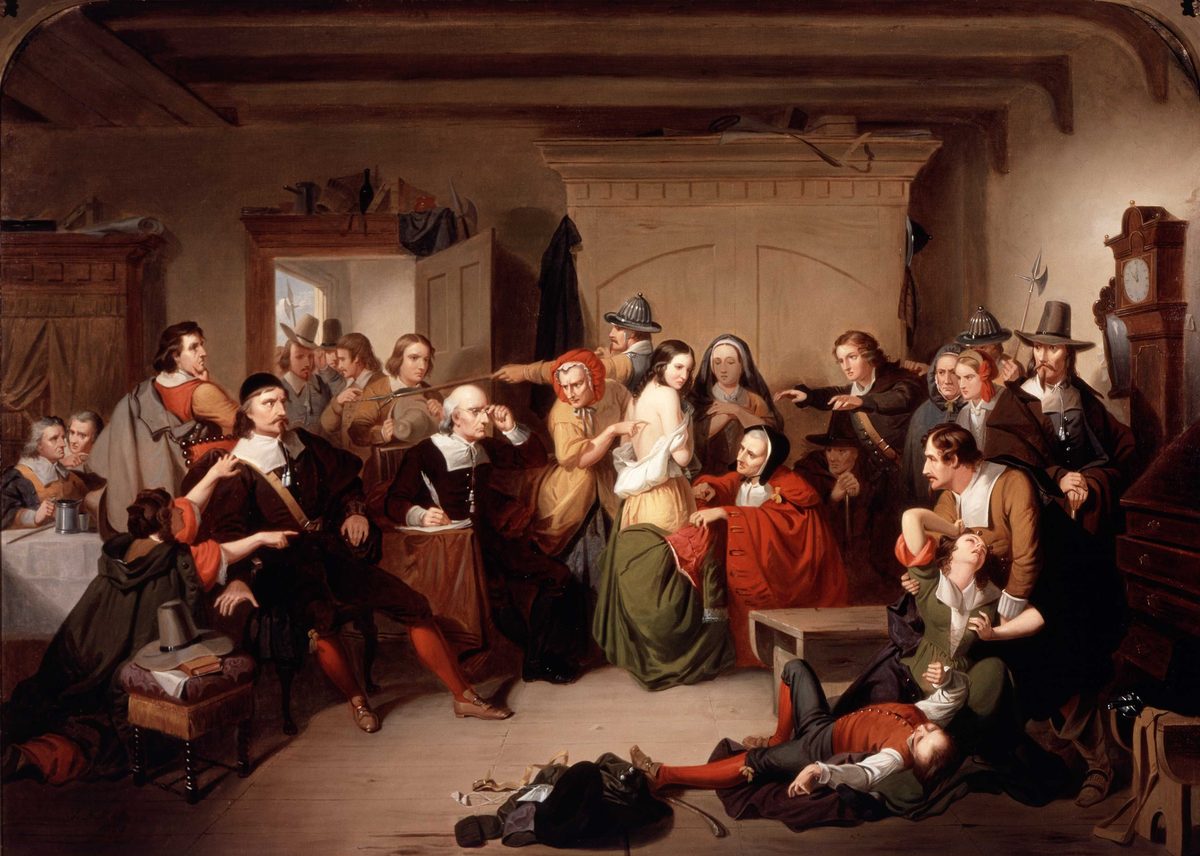
⚠ Three capital sentences then fire in immediate succession, with zero elaboration and no stated connection between them: a sorceress (v18), a person who lies with an animal (v19), and anyone who sacrifices to a god other than Jehovah (v20). The text places them side by side; it does not explain why, and this translation does not invent a reason it doesn't give. Two details are worth flagging on their own. First, v18's Hebrew (mekhashefah) is specifically FEMININE — only the female form of the word appears here, though a broader, gender-inclusive term for the same practice appears elsewhere in the Torah (Deuteronomy 18:10–11, now on these pages). The shelf itself splits on exactly this point: KJV genders the crime as generically as English allows, ‘thou shalt not suffer a witch to live’, while ASV, NIV, and NWT all keep the Hebrew's own feminine, ‘sorceress’. Second, and much heavier: this exact verse, in the King James Version's wording, was directly invoked for centuries to justify the European and American witch trials, a documented historical fact this translation reports rather than elaborates on.
The one law in this chapter enforced by God alone
The foreigner-protection law (v21) grounds its own argument in memory rather than abstraction: you shall not wrong a foreigner, BECAUSE you yourselves were foreigners in Egypt — the same appeal to lived experience this whole book keeps making. The shelf splits into two families here: KJV and ASV both read ‘stranger’ / ‘sojourner’, while NIV and NWT both modernize to ‘foreigner’ / ‘foreign resident’ — this translation follows the second family, since ‘stranger’ now reads in English as merely unfamiliar rather than foreign-born.
⚠ The widow-and-orphan law that follows (vv22–24) is the one law in this entire chapter with no court, no oath, and no judge anywhere in it. Every other case in this chapter routes through a legal process — restitution, a hearing before God or the judges, a sworn oath. This one is enforced directly and personally: ‘if they cry out to me, I will surely hear their cry… my anger will burn, and I will kill you with the sword.’ The same root (tza'aq / za'aq) is the one this book itself used for Israel's own outcry under Egypt's oppression (2:23; 3:7, 9, already on these pages) — the nation that once cried out and was heard is now warned that the same God hears the very people it has power to oppress in turn.
The interest-free lending law (v25) and the pledged-garment law (vv26–27) close the section on the same personal register: a cloak taken as security must be returned before sunset, because for a poor man it is his only blanket. ‘I am gracious’ (chanun) is one of the only places in this whole chapter where the text gives a reason FOR a law rather than simply stating it — God's own character, named as the ground of the rule.
Rulers, firstfruits, and a chapter that closes on its own opening word
Blasphemy and cursing a ruler are named together in one verse (v28), civil and divine authority treated as a matched category. ⚠ This exact law is quoted centuries later, by name: Acts 23:5 (not yet on these pages) has Paul retract an insult to the high priest by citing it directly — ‘you shall not speak evil of a ruler of your people.’
The firstborn dedication law (vv29–30) sets a specific waiting period for animals — seven days with its mother, given on the eighth — a timing this translation leaves the reader to notice alongside circumcision's own eighth-day rule, rather than asserting a connection the text itself does not make explicit.
The chapter's last law (v31) is the plainest kind of food regulation — do not eat flesh torn by wild animals, feed it to the dogs — and it closes on the same word this chapter's OWN bailment section used as a legal category seven verses into the chapter (v13's torn animal, brought as evidence). More strikingly, ‘holy men’ echoes Exodus 19's ‘kingdom of priests and a holy nation’ (already on these pages) — the chapter's single most ordinary rule, tied by its own last word back to the covenant's grandest language.
Notes on this translation
Decisions. Verse numbers in this chapter follow ENGLISH convention rather than the Hebrew's own internal count, which runs one lower throughout — a deliberate exception to this project's usual practice of following Mechon-Mamre's printed numbering exactly, made so that this chapter's citations (and the library's own pre-existing references to ‘Exodus 22:16’, ‘22:18’, and others) point where readers actually expect them to. ‘Bride-price’ kept for mohar rather than ‘dowry’ (KJV), since a dowry properly moves from the bride's family to the groom's, and mohar moves the other way. And the casuistic ‘if… then’ case structure kept exactly as the Hebrew has it, as in the chapter before this one.
A note on order: the Mishpatim continue from Exodus 21 with no gap and close at Exodus 23.