The Chip China Banned Itself Into Building
SCIENCE & TECHNOLOGY · SEPTEMBER 23, 2026
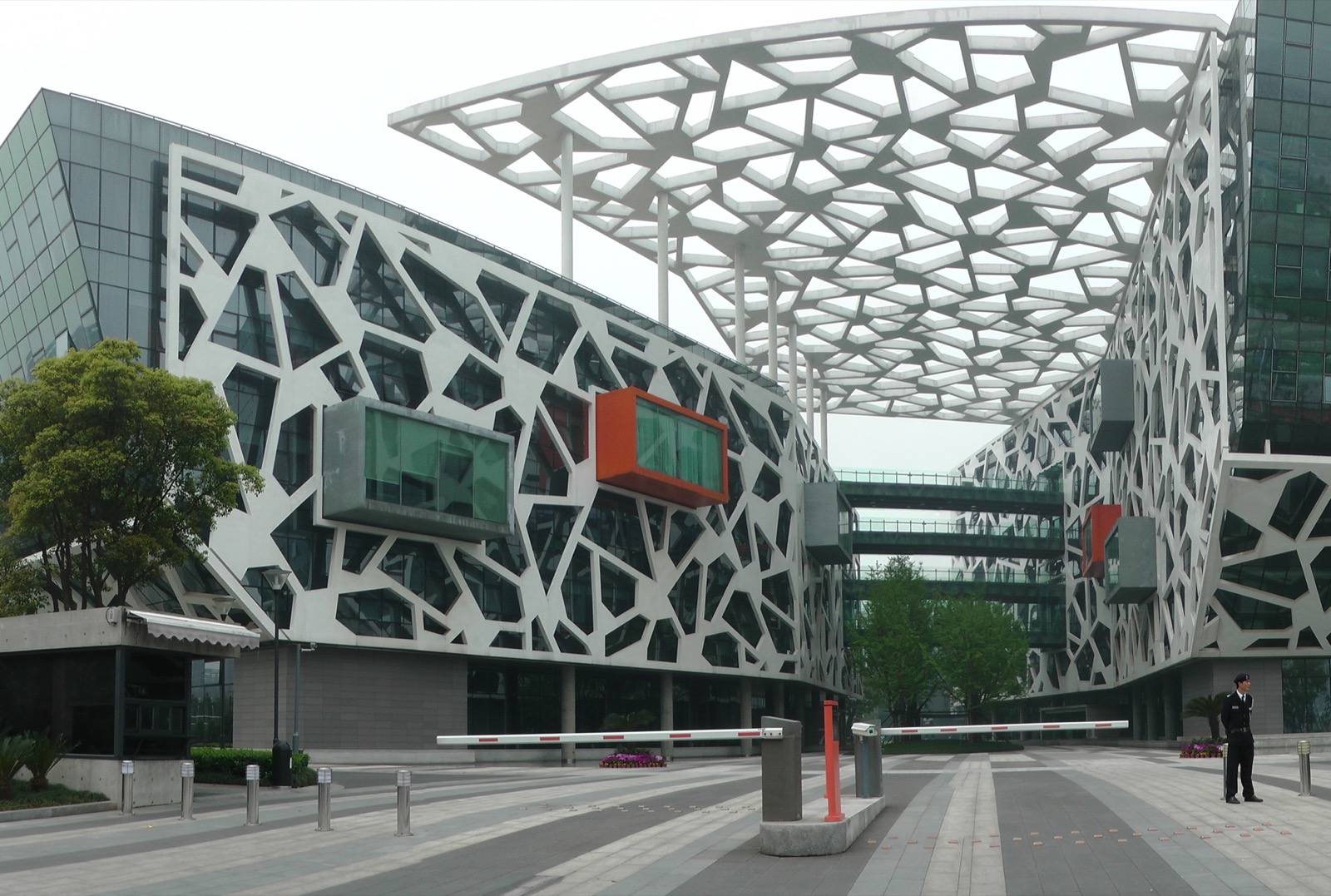
On 22 September 2026, Alibaba's semiconductor subsidiary T-Head unveiled the Zhenwu V900 at the company's annual Apsara Conference in Hangzhou — an AI accelerator with 216GB of on-package memory, a 1,200GB/s chip-to-chip interconnect, native support for FP8 and FP4 low-precision math, and the ability to be wired into clusters of up to 500,000 units for training frontier models. Alibaba CEO Eddie Wu called it "the most powerful AI chip in China today," and said it delivers roughly three times the performance of T-Head's previous chip, the Zhenwu M890. Mass production is scheduled for the first quarter of 2027.
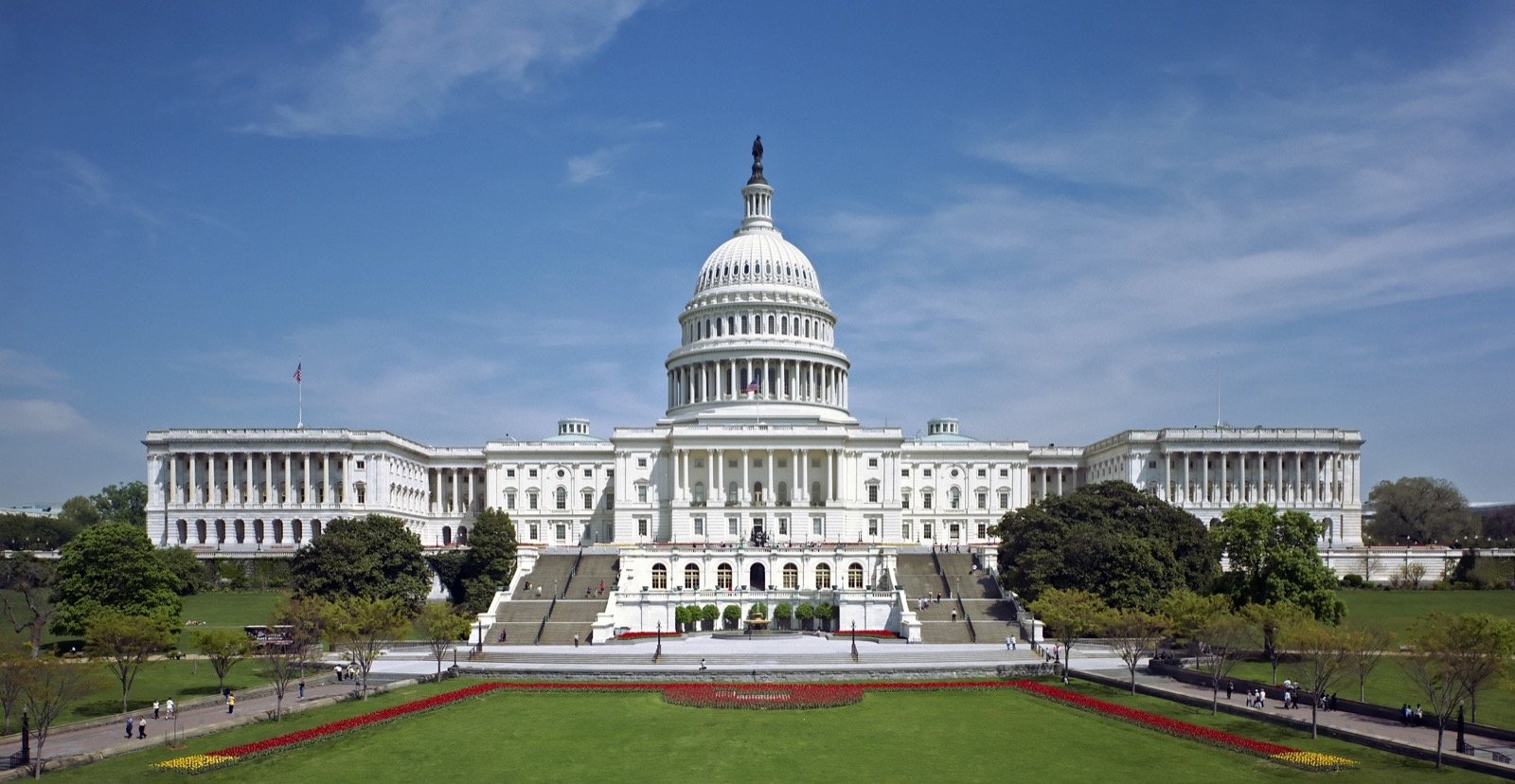
That much is the press release. The part worth a full entry is the calendar: the V900 landed one day before Xi Jinping touched down at Andrews Air Force Base for a state visit to Washington running 23–25 September — his first trip to the US in nearly three years. A chip unveiling and a summit sharing a week is easy to read as a message. But the more useful question isn't what Beijing wanted Washington to see on 22 September. It's why Alibaba needed a chip like this at all — and the answer runs through a decision China made about its own imports, not just one Washington made about its exports.
What the V900 Actually Is
216GB of memory sounds like a spec-sheet flex until it's set against the machine it's implicitly compared to: Nvidia's H200, the chip these numbers are clearly built to answer, carries 141GB. Whether the V900 gets there on real workloads — as opposed to a vendor's own benchmark suite — is exactly the kind of claim this site treats as unverified until someone outside the company running it says so; see the honesty note below. What isn't in question is the scale of the deployment plan around it: Alibaba is targeting more than 20 gigawatts of global data-centre capacity by 2032, backed by over $53 billion in committed spending across three years, with two new Yitian server CPUs (720 and 730) due in the third quarter of 2027 to sit alongside it, and a Qwen model in the 5-to-10-trillion-parameter range planned to run on top of the whole stack. A chip announcement, in other words, wrapped around an industrial policy.
The market's actual verdict, same day. Alibaba's US-listed shares jumped as much as 4% on the announcement before giving it all back and closing down more than 4% — the kind of round trip that reads less like conviction and more like a room that hasn't decided whether a spec sheet is worth more than a shipment. Baidu, Alibaba's domestic rival in the same chip race, moved a flat 0.3% the same day, which is the market's way of saying this looked like a company story, not a sector one.
The Export Control Everyone Assumes, and the One Nobody Mentions
The framing that writes itself — "Washington cut China off from advanced silicon, so China built its own" — is true as far as it goes. Nvidia's most capable data-centre chips have faced a presumption of denial for Chinese customers for years, and Nvidia's own CEO has said the company now books essentially zero China data-centre revenue. That story alone would explain why a domestic accelerator exists.
What it doesn't explain is a stranger fact from earlier this year: in January 2026, the United States actually approved H200 exports to China, with conditions — a real reversal in policy. And within days, Chinese customs authorities blocked the chips at the border anyway, while officials quietly told domestic tech firms not to place new orders without "absolute necessity." Beijing never confirmed whether this was a permanent self-sufficiency push, a temporary pause, or a bargaining chip for trade talks with Washington — and hasn't clarified since. Either way, the effective result is a chip Washington said yes to and Beijing said no to, on the same chip, in the same month.
That's the mechanism worth sitting with. The gap the V900 is stepping into wasn't cut open by an export ban alone; it was widened by an import ban China imposed on itself, for reasons its own government hasn't fully explained. Chinese chipmakers' share of the domestic AI accelerator market has moved from roughly nothing in 2022 to something like 41% by 2025 — a shift export controls alone don't fully account for, because export controls only close doors from one side of them.
Where I Could Be Wrong
- Every performance figure here is Alibaba's own. The "3x the M890" claim, the 216GB memory figure, and the 500,000-chip cluster ceiling all come from the company that built the chip and presented them at its own conference. None of this entry reflects an independent benchmark, a third-party teardown, or a customer's real-world result — those don't exist yet, because the chip doesn't ship until Q1 2027.
- The 216GB-vs-141GB comparison to the H200 is a reasonable inference, not Alibaba's own stated claim. Alibaba announced its own chip's specs; the H200 comparison is coverage connecting the dots, and I've followed that framing rather than an official Alibaba-vs-Nvidia slide.
- Beijing's actual reasoning for blocking H200 imports in January 2026 has never been made public. I've described the effect — approval from Washington, a block from Beijing — accurately, but the "why" (self-sufficiency policy vs. a negotiating lever vs. something else) is genuinely unconfirmed, and I'd treat any confident explanation of Beijing's motive, including implicitly this entry's own framing, with real caution.
- The timing next to Xi's visit may be reading too much into a coincidence of conference calendars. The Apsara Conference is an annual, long-scheduled event; I don't have evidence the date was chosen to precede the summit rather than simply landing there. I've flagged the juxtaposition because it's true and notable, not because I can show intent.
Sources
- Bloomberg. Alibaba Unveils New AI Chip to Drive 20GW of Data Centers by 2032. 22 September 2026. bloomberg.com
- TrendForce. Alibaba Unveils AI Chip Zhenwu V900 for 1Q27 Mass Production, Maps Out New Server CPUs for 3Q27. 22 September 2026. trendforce.com
- TechNode. T-Head unveils Zhenwu V900 AI chip in Alibaba's push to expand its AI infrastructure stack. 22 September 2026. technode.com
- WCCFTech. Alibaba Brags That Its Next-Gen Zhenwu V900 AI Chip Offers More On-Package Memory Than NVIDIA H200. 22 September 2026. wccftech.com
- Forkast. Alibaba's Zhenwu V900 Is China's Answer to Nvidia's Absence – and Export Controls Are the Reason It Exists. 22 September 2026. forkast.news
- 24/7 Wall St. Alibaba Jumps 4% as Zhenwu V900 Chip Targets the Gap NVIDIA Left in China; Baidu Sits Tight. 22 September 2026. 247wallst.com
- Yahoo Finance / Reuters. China has effectively banned imports of Nvidia H200 AI chips. January 2026. oninvest.com
- Yahoo Finance. China asks tech firms to halt orders for Nvidia's H200 chips, Information reports. January 2026. finance.yahoo.com
- U.S. News / AP. China's Xi to Visit the US From September 23-25. 21 September 2026. usnews.com