After Clarity Failed, What Selig and Atkins Can Still Do Without It
SEPTEMBER 16, 2026
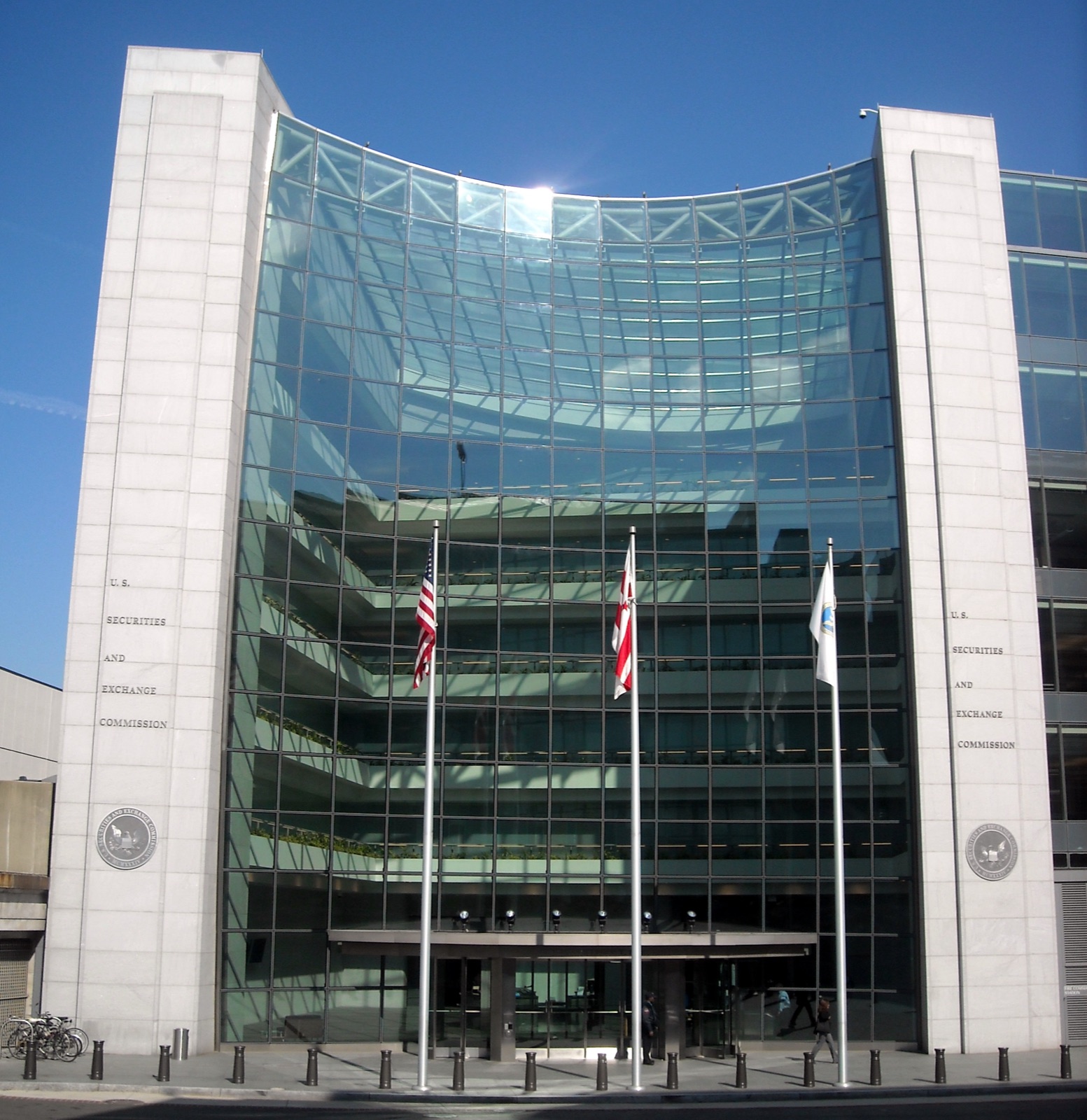
The morning after I wrote about the CLARITY Act falling eleven votes short in the Senate, a friend forwarded me a screenshot of a tweet with no comment attached beyond his own reaction: "since clarity was a fail, all eyes on SEC & CFTC. Sounds like they want the genie out of the lamp so when 2029 is here the next admin will struggle like hell. Or maybe we get pro digital asset leaders." Both of those readings assume the same thing — that what comes next is speculation, a wait-and-see. It isn't. What comes next has a paper trail going back eight months, and the vote that failed didn't start it. It just took away the alternative.
The Tweet, Traced to Its Source
The tweet came from journalist Eleanor Terrett, quoting former CFTC Chairman J. Christopher Giancarlo — sometimes called "CryptoDad" for how far back his advocacy for the industry goes. His actual line, in full: "@SECPaulSAtkins and @ChairmanSelig are determined to do what their jobs require them to do and put in place sound regulatory frameworks that ensure that financial innovation, market modernization and economic growth take place under U.S. law and not outside it." Paul Atkins chairs the SEC; Michael Selig chairs the CFTC. Giancarlo made the comment on September 16, hours after the 49-50 cloture vote — eleven short of the sixty needed — let CLARITY die for the year, per the reporting crypto.news ran the same day. It reads like reassurance offered on the spot, a former official trying to calm the market down. It's actually closer to a status report.
This Was Already Happening
Atkins and Selig didn't invent a Plan B on September 16. They've been building one in the open since the year began, on a timeline that runs entirely parallel to CLARITY's own path through Congress:
- January 29, 2026 — Atkins and Selig jointly announce "Project Crypto," a stated effort to harmonize SEC and CFTC oversight of digital asset markets.
- March 11, 2026 — the two agencies sign a formal Memorandum of Understanding on regulatory coordination, committing on paper to "fair notice," respect for "individual liberty," and a "minimum effective dose" of regulation — a phrase that tells you plenty about which side of the regulate-more/regulate-less argument these two chairs sit on.
- March 17, 2026 — the CFTC formally joins the SEC in a joint interpretation clarifying how existing securities and commodities law applies to crypto assets today, without waiting for Congress to hand them new statutory categories.
- August 20, 2026 — at the CFTC's own Innovation Advisory Committee, Selig directs staff to start drafting a new "crypto asset market" registration category, modeled on the CFTC's existing designated-contract-market rules, and states the contingency outright: "If CLARITY continues to stall, the CFTC will utilize its existing authorities to begin establishing a regime for crypto asset markets."
Selig said the quiet part almost four weeks before the vote even happened. The failed cloture motion on September 15 didn't create the fallback plan — it triggered the condition he'd already named for using it.
Why This Is a Real Path, Not Just a Talking Point
Regulatory agencies like the SEC and CFTC don't need a brand-new law to act; they already have broad statutory authority to write rules interpreting the laws Congress already passed — the Securities Act, the Commodity Exchange Act — and CLARITY's whole purpose was to draw a cleaner line between the two than either agency's existing authority currently draws on its own. What Atkins and Selig are doing instead is using that existing, blurrier authority as a starting point and building the missing clarity themselves, agency rule by agency rule, rather than waiting for Congress to hand them a sharper one. That's a genuinely available path. It is not the same path CLARITY would have been, and the difference matters more than it sounds like it should.
Which Genie, and How It Actually Goes Back In the Bottle
Here's the part of my friend's own read I think is actually the sharper one: a rule built by two agency chairs can be friendlier to the industry right now than a law ever would have been, precisely because it doesn't need sixty votes from people who disagree about it. But that same shortcut is also its weak point. An act of Congress is durable in a way an agency rule structurally isn't — a future SEC chair or CFTC chair, under a future administration, can rewrite or simply decline to enforce an agency rule with nothing more than their own signature, no sixty-vote threshold required in either direction. And on top of that, agency rulemaking today gets less benefit of the doubt from courts than it used to: the Supreme Court's 2024 decision in Loper Bright Enterprises v. Raimondo ended nearly forty years of judges automatically deferring to an agency's own reading of an ambiguous statute, which means a crypto framework built entirely on Atkins and Selig's interpretation of existing law is now more exposed to a court simply disagreeing with them than it would have been before 2024 — and far more exposed than a framework Congress had actually voted into a statute. So "the genie doesn't go back in the bottle" isn't quite right, and "we might get friendlier leaders" isn't the only alternative to it either: the honest middle is that this specific genie was always built to be put back, by the next chair, by the next court, or both — which is exactly why the industry wanted a statute in the first place, and exactly why today's workaround is real relief without being a permanent one.
What I'll Be Watching
Whether the CFTC's new registration category actually gets proposed, not just discussed at a committee meeting — Selig named the concept in August; a real notice-and-comment rule is the next concrete step, and it doesn't have one yet as of this writing.
Whether a first real enforcement or licensing action lands under this framework before year end, which would tell the market this is a working regime rather than a set of memoranda.
Whether CLARITY itself moves again — as I wrote Tuesday, Senator Tillis filed a motion to reconsider even while voting no himself, and a statute would still outlast any one administration's agency rules in a way this workaround can't.
Where I Could Be Wrong
- Giancarlo's quote is transcribed from crypto.news's own report of the tweet, not from the original post itself — I did not independently verify the tweet's text against X directly.
- The January/March/August timeline comes from four separate outlets (Forbes, a fintech-law blog, the CFTC's own press release, and a government-enforcement trade publication); I did not cross-check every date against a primary agency document beyond the CFTC's own press release.
- The Loper Bright analysis is my own read of what that ruling means for this specific situation, not a lawyer's opinion I've solicited — the underlying case and its holding (ending Chevron deference) are well established, but how a future court would actually treat any specific SEC/CFTC crypto rule is a prediction, not a settled fact.
- I'm not predicting which "genie" scenario my friend raised is more likely — a friendlier future administration or a rollback — on purpose. Both are live possibilities and I don't think the evidence here points cleanly at either one.
- None of this is legal or investment advice.