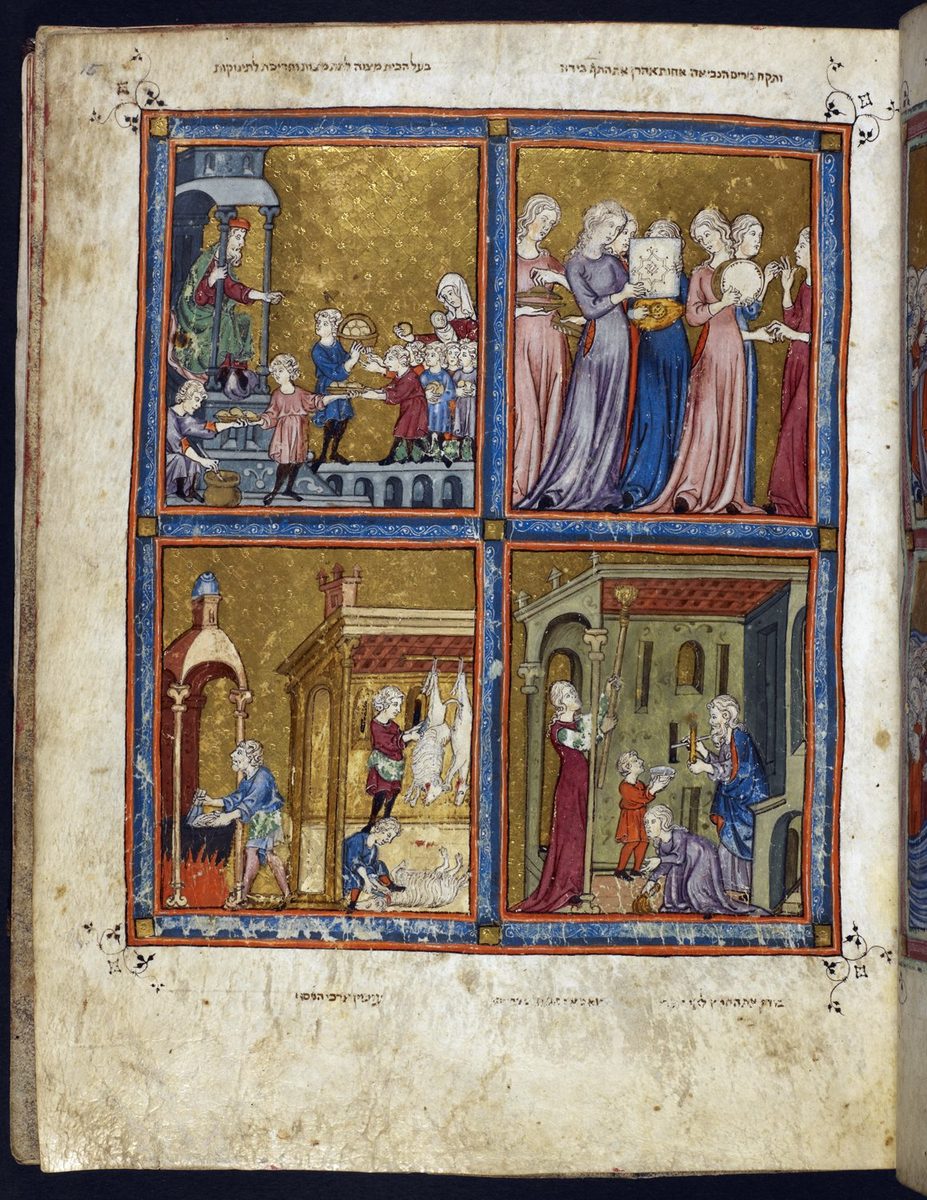
1
אָז יָשִׁיר-מֹשֶׁה וּבְנֵי יִשְׂרָאֵל אֶת-הַשִּׁירָה הַזֹּאת, לַיהוָה, וַיֹּאמְרוּ, לֵאמֹר: אָשִׁירָה לַיהוָה כִּי-גָאֹה גָּאָה, סוּס וְרֹכְבוֹ רָמָה בַיָּם.
Then
Moses and the children of Israel sang this song to
Jehovah, and said: I will sing to Jehovah, for he is highly exalted; the horse and its rider he has thrown into the sea.
noteEntonces Moisés y los hijos de Israel cantaron este cántico a Jehová, y dijeron: Cantaré a Jehová, porque se ha exaltado en gran manera; ha arrojado al mar al caballo y a su jinete.
2
עָזִּי וְזִמְרָת יָהּ, וַיְהִי-לִי לִישׁוּעָה; זֶה אֵלִי וְאַנְוֵהוּ, אֱלֹהֵי אָבִי וַאֲרֹמְמֶנְהוּ.
Jehovah is my strength and song, and he has become my salvation; this is my God, and I will
glorify him; my father’s God, and I will exalt him.
noteJehová es mi fortaleza y mi cántico, y ha sido mi salvación; este es mi Dios, y lo glorificaré; el Dios de mi padre, y lo exaltaré.
3
יְהוָה, אִישׁ מִלְחָמָה; יְהוָה, שְׁמוֹ.
Jehovah is a
man of war; Jehovah is his name.
noteJehová es varón de guerra; Jehová es su nombre.
4
מַרְכְּבֹת פַּרְעֹה וְחֵילוֹ, יָרָה בַיָּם; וּמִבְחַר שָׁלִשָׁיו, טֻבְּעוּ בְיַם-סוּף.
Pharaoh’s chariots and his army he has cast into the sea, and his chosen captains are sunk in the
Red Sea.
note
Los carros de Faraón y su ejército arrojó en el mar, y sus capitanes escogidos fueron hundidos en el mar Rojo.
5
תְּהֹמֹת, יְכַסְיֻמוּ; יָרְדוּ בִמְצוֹלֹת, כְּמוֹ- אָבֶן.
The deeps cover them; they went down into the depths like a stone.
noteLos abísmos los cubren; descendieron a las profundidades como una piedra.
6
יְמִינְךָ יְהוָה, נֶאְדָּרִי בַּכֹּחַ; יְמִינְךָ יְהוָה, תִּרְעַץ אוֹיֵב.
Your right hand, Jehovah, glorious in power — your right hand, Jehovah, shatters the enemy.
noteTu diestra, Jehová, magnífica en poder; tu diestra, Jehová, quebranta al enemigo.
7
וּבְרֹב גְּאוֹנְךָ, תַּהֲרֹס קָמֶיךָ; תְּשַׁלַּח, חֲרֹנְךָ--יֹאכְלֵמוֹ, כַּקַּשׁ.
In the greatness of your majesty you overthrow those who rise against you; you send out your burning anger, it consumes them like stubble.
noteCon la grandeza de tu majestad derribas a los que se levantan contra ti; envías tu ardiente ira, y los consume como a rastrojo.
8
וּבְרוּחַ אַפֶּיךָ נֶעֶרְמוּ מַיִם, נִצְּבוּ כְמוֹ-נֵד נֹזְלִים; קָפְאוּ תְהֹמֹת, בְּלֶב-יָם.
And by the breath of your
nostrils the waters piled up; the floods stood upright like a heap; the deeps congealed in the heart of the sea.
noteY con el aliento de tu nariz se amontonaron las aguas; las corrientes se pusieron en pie como un montón; los abísmos se cuajaron en el corazón del mar.
9
אָמַר אוֹיֵב אֶרְדֹּף אַשִּׂיג, אֲחַלֵּק שָׁלָל; תִּמְלָאֵמוֹ נַפְשִׁי-- אָרִיק חַרְבִּי, תּוֹרִישֵׁמוֹ יָדִי.
The enemy said, ‘I will pursue, I will overtake, I will divide the spoil; my desire will be satisfied on them; I will draw my sword, my hand will destroy them.’
noteEl enemigo dijo: Perseguiré, alcanzaré, repartiré el despojo; mi deseo se saciará en ellos; sacaré mi espada, los destruirá mi mano.
10
נָשַׁפְתָּ בְרוּחֲךָ, כִּסָּמוֹ יָם; צָלְלוּ, כַּעוֹפֶרֶת, בְּמַיִם, אַדִּירִים.
You blew with your wind, the sea covered them; they sank like lead in the mighty waters.
noteSoplaste con tu viento, el mar los cubrió; se hundieron como plomo en las aguas impetuosas.
11
מִי-כָמֹכָה בָּאֵלִם יְהוָה, מִי כָּמֹכָה נֶאְדָּר בַּקֹּדֶשׁ; נוֹרָא תְהִלֹּת, עֹשֵׂה פֶלֶא.
Who is like you among the
gods, Jehovah? Who is like you, glorious in holiness, awesome in praises, doing wonders?
note¿Quién como tú, Jehová, entre los dioses? ¿Quién como tú, magnífico en santidad, temible en alabanzas, hacedor de maravillas?
12
נָטִיתָ, יְמִינְךָ--תִּבְלָעֵמוֹ, אָרֶץ.
You stretched out your right hand — the earth swallowed them.
noteExtendiste tu diestra; la tierra los tragó.
13
נָחִיתָ בְחַסְדְּךָ, עַם-זוּ גָּאָלְתָּ; נֵהַלְתָּ בְעָזְּךָ, אֶל-נְוֵה קָדְשֶׁךָ.
In your steadfast love you led the people you redeemed; you guided them in your strength to your holy dwelling.
noteCon tu misericordia guiaste al pueblo que redimiste; lo llevaste con tu fuerza a tu santa morada.
14
שָׁמְעוּ עַמִּים, יִרְגָּזוּן; חִיל אָחַז, יֹשְׁבֵי פְּלָשֶׁת.
The peoples have heard, they tremble; anguish has seized the inhabitants of Philistia.
noteLos pueblos oyeron, y se estremecieron; el terror se apoderó de los habitantes de Filistea.
15
אָז נִבְהֲלוּ, אַלּוּפֵי אֱדוֹם-- אֵילֵי מוֹאָב, יֹאחֲזֵמוֹ רָעַד; נָמֹגוּ, כֹּל יֹשְׁבֵי כְנָעַן.
Then the chiefs of Edom were dismayed; the leaders of Moab, trembling seizes them; all the inhabitants of Canaan melt away.
noteEntonces los jefes de Edom se turbaron; a los valientes de Moab los tomó el temblor; se acobardaron todos los habitantes de Canaán.
16
תִּפֹּל עֲלֵיהֶם אֵימָתָה וָפַחַד, בִּגְדֹל זְרוֹעֲךָ יִדְּמוּ כָּאָבֶן: עַד- יַעֲבֹר עַמְּךָ יְהוָה, עַד-יַעֲבֹר עַם-זוּ קָנִיתָ.
Terror and dread fall upon them; by the greatness of your arm they are still as a stone, until your people pass by, Jehovah, until the people you acquired pass by.
noteCaiga sobre ellos temblor y espanto; ante la grandeza de tu brazo enmudezcan como una piedra, hasta que haya pasado tu pueblo, Jehová, hasta que haya pasado este pueblo que tú adquiriste.
17
תְּבִאֵמוֹ, וְתִטָּעֵמוֹ בְּהַר נַחֲלָתְךָ-- מָכוֹן לְשִׁבְתְּךָ פָּעַלְתָּ, יְהוָה; מִקְּדָשׁ, אֲדֹנָי כּוֹנְנוּ יָדֶיךָ.
You will bring them in and plant them on the mountain of your inheritance, the place, Jehovah, that you made for your dwelling, the sanctuary, Lord, that your hands established.
noteLos llevarás y los plantarás en el monte de tu heredad, el lugar que hiciste, Jehová, para tu morada, el santuario que tus manos han establecido, Señor.
18
יְהוָה יִמְלֹךְ, לְעֹלָם וָעֶד.
Jehovah will reign forever and ever.
noteJehová reinará por los siglos de los siglos.
19
כִּי בָא סוּס פַּרְעֹה בְּרִכְבּוֹ וּבְפָרָשָׁיו, בַּיָּם, וַיָּשֶׁב יְהוָה עֲלֵהֶם, אֶת-מֵי הַיָּם; וּבְנֵי יִשְׂרָאֵל הָלְכוּ בַיַּבָּשָׁה, בְּתוֹךְ הַיָּם.
For the horses of Pharaoh went into the sea with his chariots and his horsemen, and Jehovah brought back the waters of the sea upon them; but the children of Israel walked on dry ground in the midst of the sea.
notePorque los caballos de Faraón entraron en el mar con sus carros y su gente de a caballo, y Jehová hizo volver las aguas del mar sobre ellos; pero los hijos de Israel pasaron en seco por en medio del mar.
20
וַתִּקַּח מִרְיָם הַנְּבִיאָה אֲחוֹת אַהֲרֹן, אֶת-הַתֹּף--בְּיָדָהּ; וַתֵּצֶאןָ כָל-הַנָּשִׁים אַחֲרֶיהָ, בְּתֻפִּים וּבִמְחֹלֹת.
And
Miriam the prophetess, the sister of Aaron, took a timbrel in her hand, and all the women went out after her with timbrels and dances.
noteY Miriam la profetisa, hermana de Aarón, tomó un pandero en su mano, y todas las mujeres salieron en pos de ella con panderos y danzas.
21
וַתַּעַן לָהֶם, מִרְיָם: שִׁירוּ לַיהוָה כִּי-גָאֹה גָּאָה, סוּס וְרֹכְבוֹ רָמָה בַיָּם.
And Miriam answered them: Sing to Jehovah, for he is highly exalted; the horse and its rider he has thrown into the sea.
noteY Miriam les respondió: Cantad a Jehová, porque se ha exaltado en gran manera; ha arrojado al mar al caballo y a su jinete.
22
וַיַּסַּע מֹשֶׁה אֶת-יִשְׂרָאֵל מִיַּם-סוּף, וַיֵּצְאוּ אֶל-מִדְבַּר-שׁוּר; וַיֵּלְכוּ שְׁלֹשֶׁת-יָמִים בַּמִּדְבָּר, וְלֹא-מָצְאוּ מָיִם.
Then Moses led Israel onward from the Red Sea, and they went out into the wilderness of Shur; and they went three days in the wilderness and found no water.
noteEntonces Moisés hizo partir a Israel del mar Rojo, y salieron al desierto de Shur; y anduvieron tres días por el desierto sin hallar agua.
23
וַיָּבֹאוּ מָרָתָה--וְלֹא יָכְלוּ לִשְׁתֹּת מַיִם מִמָּרָה, כִּי מָרִים הֵם; עַל-כֵּן קָרָא-שְׁמָהּ, מָרָה.
And they came to
Marah, and they could not drink the water at Marah, because it was bitter; that is why its name was called Marah.
noteY llegaron a Mara, y no pudieron beber el agua de Mara, porque era amarga; por eso le pusieron el nombre de Mara.
24
וַיִּלֹּנוּ הָעָם עַל-מֹשֶׁה לֵּאמֹר, מַה-נִּשְׁתֶּה.
And the people grumbled against Moses, saying, ‘What shall we drink?’
noteEntonces el pueblo murmuró contra Moisés, diciendo: ¿Qué hemos de beber?
25
וַיִּצְעַק אֶל-יְהוָה, וַיּוֹרֵהוּ יְהוָה עֵץ, וַיַּשְׁלֵךְ אֶל-הַמַּיִם, וַיִּמְתְּקוּ הַמָּיִם; שָׁם שָׂם לוֹ חֹק וּמִשְׁפָּט, וְשָׁם נִסָּהוּ.
And he cried out to Jehovah, and Jehovah showed him a tree; he threw it into the water, and the water became sweet. There he made for them a statute and an ordinance, and there he tested them,
noteY clamó a Jehová, y Jehová le mostró un árbol; lo echó en el agua, y el agua se endulzó. Allí les dio estatuto y ordenanza, y allí los puso a prueba,
26
וַיֹּאמֶר אִם-שָׁמוֹעַ תִּשְׁמַע לְקוֹל יְהוָה אֱלֹהֶיךָ, וְהַיָּשָׁר בְּעֵינָיו תַּעֲשֶׂה, וְהַאֲזַנְתָּ לְמִצְוֺתָיו, וְשָׁמַרְתָּ כָּל-חֻקָּיו--כָּל-הַמַּחֲלָה אֲשֶׁר-שַׂמְתִּי בְמִצְרַיִם, לֹא-אָשִׂים עָלֶיךָ, כִּי אֲנִי יְהוָה, רֹפְאֶךָ.
and he said, ‘If you will diligently listen to the voice of Jehovah your God, and do what is right in his eyes, and give ear to his commandments and keep all his statutes, I will not put on you any of the diseases that I put on the Egyptians, for I am Jehovah, your
healer.’
notey dijo: Si escuchas atentamente la voz de Jehová tu Dios, y haces lo recto ante sus ojos, y prestas oído a sus mandamientos, y guardas todos sus estatutos, ninguna de las enfermedades que puse sobre Egipto pondré sobre ti, porque yo soy Jehová, tu sanador.
27
וַיָּבֹאוּ אֵילִמָה--וְשָׁם שְׁתֵּים עֶשְׂרֵה עֵינֹת מַיִם, וְשִׁבְעִים תְּמָרִים; וַיַּחֲנוּ-שָׁם, עַל-הַמָּיִם.
Then they came to Elim, where there were twelve springs of water and seventy palm trees, and they camped there by the waters.
noteLuego llegaron a Elim, donde había doce fuentes de agua y setenta palmeras, y acamparon allí junto a las aguas.
Translator’s Notes
Yah, and a word no two versions render alike
Yah — “Jehovah” is spelled out in full everywhere else in this
translation, but here the Hebrew itself uses the short poetic form, YAH
(oz-zi ve-zimrat YAH, “my strength and song is Yah”) — the form
behind HALLELU-YAH. This is its first appearance anywhere in the Hebrew Bible. Two later
poets quote this exact phrase back: Isaiah 12:2 and Psalm 118:14 both open “Yah is my
strength and song,” word for word.
“Glorify” renders a genuinely disputed verb,
ve-anvehu. KJV stands alone on this shelf with
something else entirely — “I will PREPARE HIM AN HABITATION” —
reading the root as related to naveh, a dwelling-place. ASV, NIV and ESV
all read “I will praise him” instead, from a root meaning beautiful or fitting
— the same root Jewish tradition later built into hiddur mitzvah, the
principle of performing a commandment as beautifully as possible. RV60 follows the praise reading (“lo alabaré”); this
translation renders it “glorify,” sitting between the two.
A man of war
No softening in the Hebrew: ish milchamah, a MAN of war, is one of the most
directly martial images of God anywhere in the Bible — not a general or a metaphor
held at arm's length, but the plain noun for an ordinary soldier. NIV alone on this shelf trades the noun for “warrior”; every other
version here keeps “man of war” as flatly as the Hebrew does.
Nostrils and anger are the same word
Appekha, “your nostrils,” is built on aph — the
ordinary Hebrew word for a NOSE, and also the ordinary word for ANGER, because flared
nostrils were the physical picture behind the emotion. The wind that piles up the sea is
called God's own breath, snorted out. NVI keeps the image
bluntly literal — “un soplo de tu nariz” (a puff of your
nose) — where most English versions smooth “nostrils” into an abstraction
like “blast.”
Who is like you among the gods
Ba-elim, “among the gods,” is rendered plainly on every version
checked here — KJV, ASV,
NIV, ESV and RV60 all print “gods,” not a softened “mighty ones.”
The line does not deny other gods exist; it insists Jehovah has no rival among them. Under
its Hebrew opening words this verse is known as Mi Chamocha, “Who is like
You,” and it has stayed in continuous liturgical use for millennia: recited daily in
the Jewish morning service, and sung in Catholic tradition at the Easter Vigil, under the
title “Song of Moses.”
Miriam, who is also Mary
Miriam's name in Hebrew is Miryam — the identical name the New Testament
carries into Greek and then English as MARY. English keeps them looking like two different
names; RV60 does not — it calls Moses's sister
“María,” the same name Spanish gives to Jesus's mother. NVI instead transliterates, “Miriam,” matching the choice made
here.
She is the first person in the Bible called a PROPHETESS, and her two-line reply in v21
is nearly identical to v1's opening — ancient song titles often doubled as their first
line, which has led some scholars (notably Frank Moore Cross and David Noel Freedman) to
argue Miriam's couplet is the older, original core, later expanded into the eighteen-verse
song and reassigned to Moses rather than the other way around. A fragment among the Dead
Sea Scrolls (4Q365) preserves yet another, longer version of a song credited to her. Neither
claim can be proven; both are reported.
Marah, named for what happened there
The text supplies its own etymology: the water was marim, BITTER, so the place
was named Marah, Bitterness — a naming pattern this book will use
repeatedly for places that remember an event rather than a geography.
The LORD your healer
“I am Jehovah, your healer” (rofekha) is the first
time in the Bible God takes this as a self-description — not merely an act he performs
but a name he claims, the root behind the later devotional title “Jehovah-Rapha.”
It arrives paired with plain water: a bitter spring, a tree, and a promise that comes with
no ritual attached, only listening.
Twelve springs, seventy palms
Elim's tally — twelve springs, seventy palm trees — lands on two numbers this
book keeps returning to: twelve tribes, seventy elders (24:1) and seventy who go down into
Egypt (1:5). Whether the count is meant to be read that way or is simply what was there, the
text does not say; it is left as a detail, not an argument.
Notes on this translation
Decisions. This chapter's opening poem (vv1–19), the Song of the
Sea, is traditionally copied in every Torah scroll in a distinctive stichographic layout
the Talmud calls “half brick over whole brick and whole brick over half brick”
(Megillah 16b) — the Hebrew source text marks its internal pauses with layout symbols
reflecting that pattern. This translation does not attempt to reproduce that scroll layout;
the verses are set continuously like every other chapter on this shelf, and the pause
markers are silently omitted rather than converted into a typeset feature this site has no
other way to render consistently. (Interestingly, the earliest Dead Sea Scroll fragments of
this song do NOT show the brick layout either — it is a later Masoretic convention.)
⚠ A note on order: this chapter was translated in sequence — the wilderness road it opens continues at Exodus 16.