The First Approved Treatment for Ataxia in Ataxia-Telangiectasia
SEPTEMBER 19, 2026
Ataxia-telangiectasia — A-T for short — is a rare, inherited genetic disorder that causes progressive loss of muscle coordination starting in early childhood, along with visible dilated blood vessels, a weakened immune system, and a higher lifetime risk of cancer. On September 18, 2026, the FDA approved levacetylleucine, sold as Aqneursa, as the first treatment specifically for the ataxia (the loss of coordination) in A-T patients. It's worth explaining both halves of that: what the disease actually is, and what the trial behind the approval actually showed.
What Ataxia-Telangiectasia Actually Is
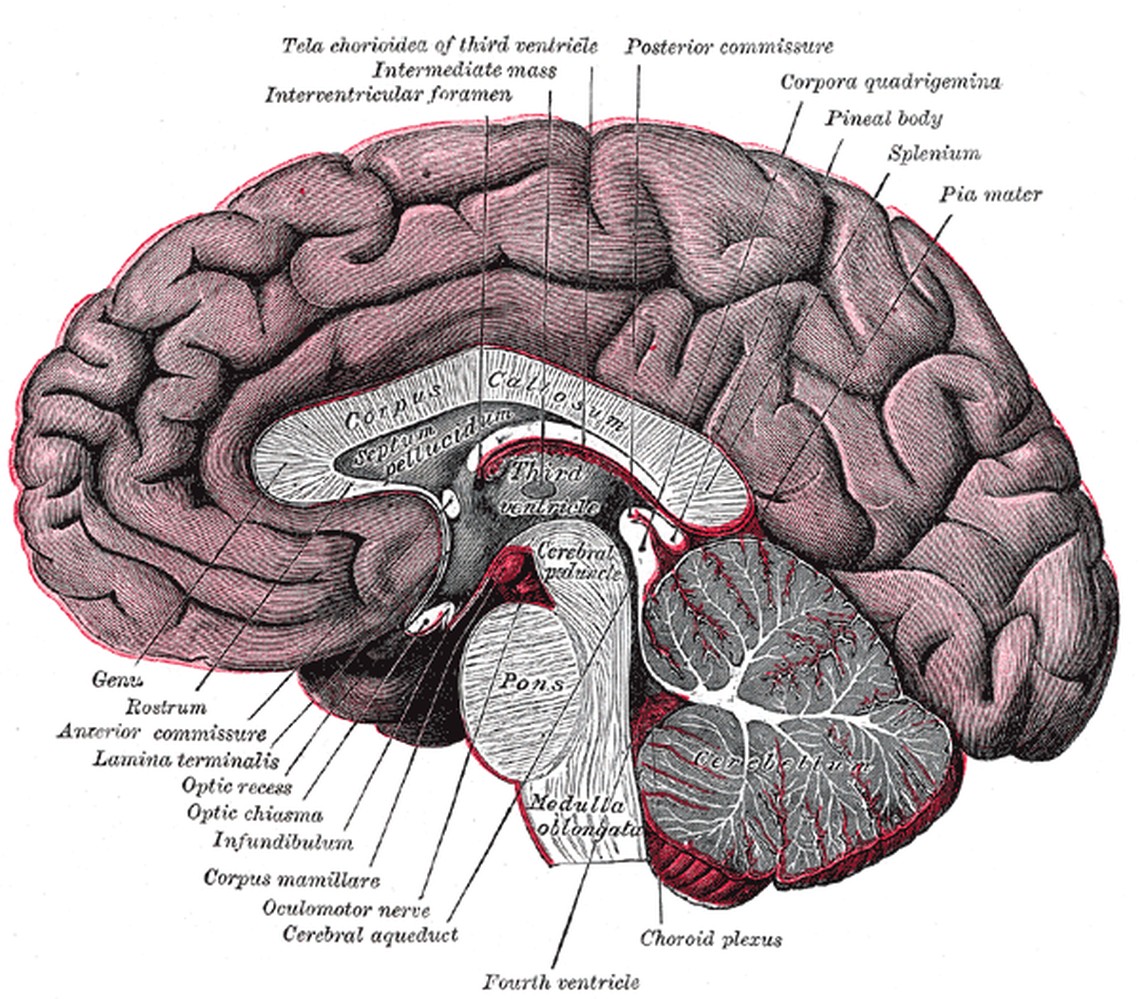
A-T is caused by mutations in a single gene, ATM, which normally does one specific job in every cell in the body: it detects broken DNA — particularly the kind of double-strand break caused by radiation — and coordinates the repair, along with regulating the cell cycle and the body's response to oxidative stress. Without working ATM protein, cells accumulate DNA damage they can't properly fix. The cerebellum, the part of the brain that coordinates movement, is unusually sensitive to this and degenerates progressively, which is why the first sign in a child with A-T is typically an unsteady, wobbling gait appearing around age one to two, as they're learning to walk. "Ataxia" is the general medical term for that loss of coordinated muscle control; the "telangiectasia" half of the name refers to the small dilated blood vessels — visible red or pink webs — that show up later, classically in the whites of the eyes and the ears. The same broken DNA-repair machinery also weakens the immune system, causing frequent infections, and raises the lifetime risk of cancer, particularly lymphoma and leukemia. A-T is rare: estimates in the United States put it at roughly 1 in 40,000 to 100,000 births, more common in populations where marriage between close relatives is more frequent. There is no cure, and until this approval there was no treatment aimed at the ataxia itself — only management of its complications.
The Trial Behind the Approval
The approval rests on a randomized, double-blind, placebo-controlled crossover trial (ClinicalTrials.gov NCT06673056) in 73 patients with genetically confirmed A-T, ages 4 to 50 (median 13; 47 of the 73 were children). "Crossover" means every patient took both the drug and a placebo, in a random order, across two 12-week periods — so each patient effectively serves as their own comparison, which is a meaningful design advantage in a disease this rare, where finding enough patients for two separate large groups isn't realistic. 70 of the 73 patients, 96%, completed both periods. The primary measure was a functional version of the Scale for the Assessment and Rating of Ataxia (SARA), a standard 0-to-16 clinical scale scored by an examiner watching the patient walk, stand, speak and perform coordination tasks — lower is better. The FDA's own approval summary reports that patients scored better on this scale while taking the drug than while taking placebo. Topline figures reported by the trial's sponsor put a number on that: on the full SARA scale, scores improved by 1.92 points on the drug versus 0.14 points on placebo, a between-group difference of 1.88 points (P<.001) — a result unlikely to be chance, though the underlying full study data has not yet gone through independent peer review as of this approval.
The same drug, a second disease. This is levacetylleucine's second FDA approval — it was first approved in 2024 for a completely different, also-rare disorder, Niemann- Pick disease type C. The drug is a modified form of the amino acid leucine, built to cross the blood-brain barrier and get taken up by cells efficiently; once inside, it's thought to help restore normal mitochondrial energy production and lysosomal function in neurons. That's a downstream cellular repair job rather than a fix for either disease's actual genetic cause (a cholesterol-transport gene in Niemann-Pick C, ATM in A-T) — which may be part of why a drug developed for one rare ataxia-causing disease turned out to help with the ataxia in a genetically unrelated one.
Where the Evidence Is Weak
Seventy-three patients is a real, randomized, controlled trial — not an anecdote — but it's also close to the whole reachable population of a disease this rare, and a result that clean in a trial this size still deserves a second, independent look once the full data is published and reviewed, not just the sponsor's own topline summary. The trial ran two 12-week periods; nobody yet knows from this study whether the improvement holds up, plateaus, or fades over years, which is the timescale that actually matters for a lifelong degenerative disease. And a functional improvement on a coordination-rating scale is not the same claim as slowing the underlying neurodegeneration — the FDA's approval is for treating the symptom of ataxia, not for altering the disease's course. The label's own most common adverse effects — falls, skin lacerations, urinary tract infections — read, honestly, like the expected complications of a disease that already causes falls and infections, not obviously separable from A-T itself in a trial this size.
What the evidence says. In the one trial run so far, levacetylleucine (Aqneursa) produced a statistically significant improvement on a standard ataxia rating scale in patients with ataxia-telangiectasia over 12 weeks, which is why the FDA approved it as the first treatment for A-T's ataxia specifically. It is not a cure, does not address the ATM gene defect itself, and its long-term effect beyond 12 weeks has not yet been studied.
Sources
- U.S. Food and Drug Administration. FDA Approves Therapy to Treat Ataxia in Patients with Ataxia-Telangiectasia, a Rare Genetic Disorder. 18 September 2026. fda.gov
- ClinicalTrials.gov. Study NCT06673056 — the Phase 3 randomized, double-blind, placebo-controlled crossover trial of levacetylleucine in ataxia-telangiectasia. clinicaltrials.gov
- NeurologyLive. FDA Approves Levacetylleucine for Ataxia-Telangiectasia. September 2026. neurologylive.com
- PM&R KnowledgeNow. Ataxia Telangiectasia — prevalence, ATM gene function and clinical features. now.aapmr.org
- National Ataxia Foundation. Snapshot: What is Levacetylleucine? ataxia.org
This is one reader's reading of the research, not medical advice. If something here touches on your own health, take it to a clinician who knows you — and read how these entries are put together.